PRP Skin Rejuvenation
A regenerative treatment that harnesses your body’s own healing factors to improve skin quality and vitality.

A regenerative treatment that harnesses your body’s own healing factors to improve skin quality and vitality.

From £350

45–60 minutes
Approximately 6–9 months
Mild
Minimal, mild redness or swelling possible
2–3 sessions, spaced several weeks apart
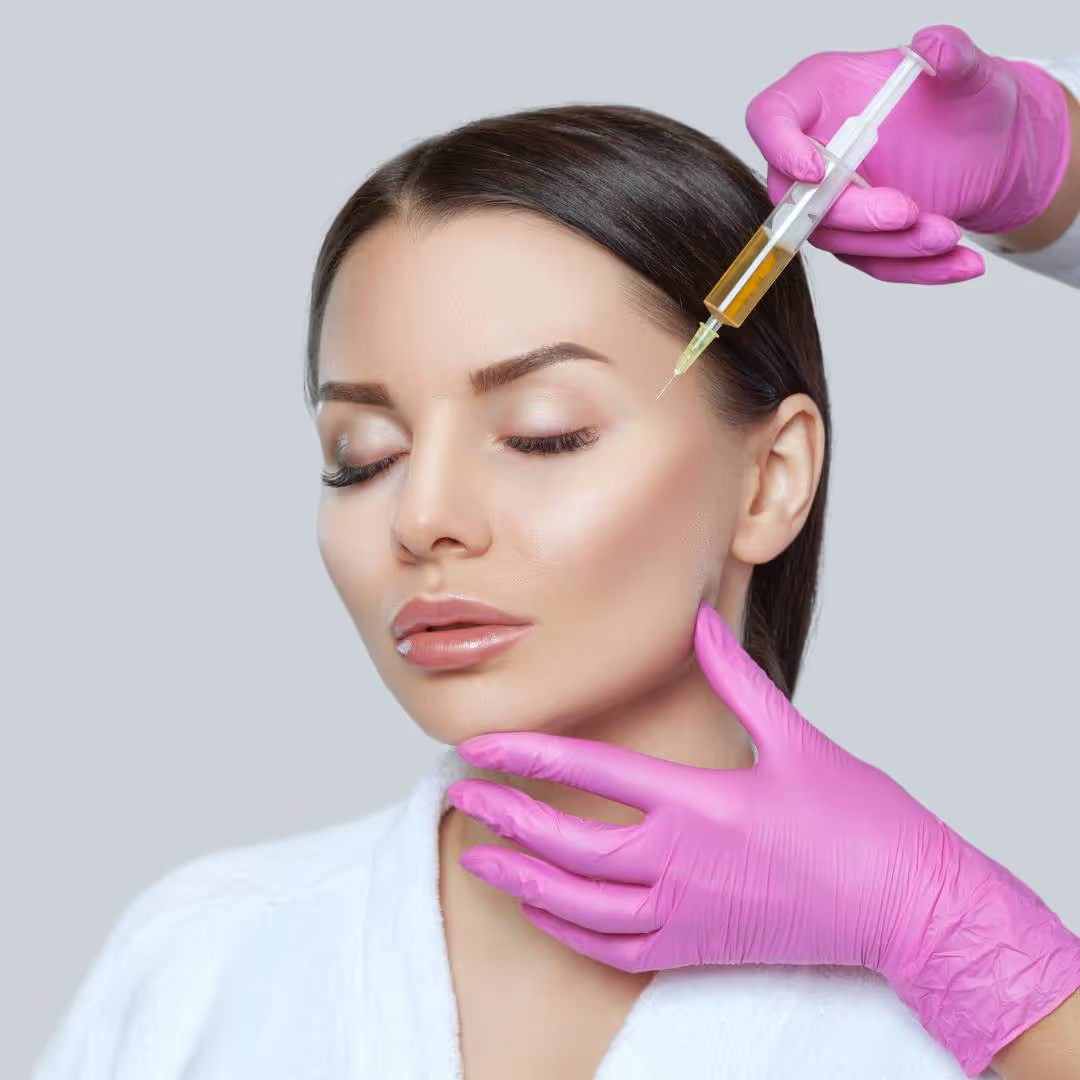
PRP Skin Rejuvenation uses platelet-rich plasma derived from your own blood to stimulate skin repair and regeneration. Platelets contain growth factors that play a key role in tissue healing, collagen production and cellular renewal.
By reintroducing concentrated platelets into the skin, this treatment supports natural regeneration processes, improving texture, tone and overall skin quality. Rather than altering facial structure or adding volume, PRP works to strengthen the skin from within, enhancing resilience and vitality.
This treatment is particularly suited to skin that appears dull, fatigued or compromised, offering a natural approach to rejuvenation using the body’s own resources.
At Bavary Clinic, PRP treatments are planned with precision and care. We begin with a thorough consultation to assess skin condition, suitability and treatment goals.
Blood collection, processing and injection techniques are performed under strict clinical protocols to ensure safety and effectiveness. Treatment areas and depth are tailored to your individual needs, allowing regeneration to occur in a controlled and balanced way.
Our philosophy focuses on gradual improvement and long-term skin health, ensuring results evolve naturally without overstimulation.
Your appointment includes a consultation, clinical photography and preparation of your personalised PRP solution. Blood is drawn and processed on-site before being carefully injected into targeted areas of the skin.
Mild redness or swelling may occur immediately after treatment and typically settles within a short period. There is minimal downtime, and most clients return to normal activities the same day.
A course of treatments is usually recommended to achieve optimal regenerative benefit.
Over the weeks following treatment, skin appears brighter, smoother and more even in tone. Texture improves, fine lines soften and overall skin quality becomes more refined.
Results typically last between six and nine months. With regular maintenance, PRP Skin Rejuvenation can support long-term skin health and resilience as part of a comprehensive treatment plan.
Platelet-Rich Plasma (PRP) therapy represents a remarkable fusion of the body's natural healing capabilities with the precision of modern aesthetic medicine, offering a regenerative treatment that is increasingly sought after for its efficacy in enhancing skin vitality and youthfulness. This innovative therapy leverages the body's own biological processes to foster cellular rejuvenation, improve skin texture, and diminish the signs of ageing, aligning with the growing preference for non-invasive cosmetic enhancements that yield natural and enduring results.
At its core, PRP therapy is grounded in the science of healing and regeneration. The human blood is a rich repository of various components, each with unique functions, and among these, platelets play a pivotal role in the body's response to injury and the subsequent healing process. These platelets are not only integral to blood clotting but are also a treasure trove of growth factors—proteins that are crucial in the repair and regeneration of tissues. PRP therapy harnesses this potent regenerative capacity of platelets to address aesthetic concerns and promote skin health.
When contemplating any medical or aesthetic treatment, one of the primary concerns for many individuals is the level of discomfort or pain they might experience. This apprehension is entirely understandable, as the perception of pain is a deeply personal and subjective experience, influenced by a myriad of factors including individual pain thresholds, previous experiences, and the nature of the procedure itself. PRP (Platelet-Rich Plasma) therapy, while minimally invasive and heralded for its efficacy and natural approach to skin rejuvenation, is not exempt from these considerations. Patients often inquire about the discomfort associated with PRP therapy, seeking reassurance and clarity before committing to the procedure.
PRP therapy, at its essence, involves the extraction of a small sample of the patient's blood, its subsequent processing to concentrate the platelets, and the reinjection of this platelet-rich plasma into the skin. The idea of injections can understandably evoke a degree of unease or anxiety, particularly for those who are more sensitive to or apprehensive about needles. However, it's crucial to contextualize the sensation associated with PRP injections within the broader landscape of medical and aesthetic procedures, where it is generally regarded as causing minimal to moderate discomfort.
When considering Platelet-Rich Plasma (PRP) therapy, a pivotal factor that patients evaluate is the time commitment required—both in terms of individual session duration and the overall treatment course. Understanding these aspects is crucial for individuals as they plan their schedules and set expectations for the treatment's progression and results.
The duration of a single PRP therapy session can vary, but it generally adheres to a consistent structure. The process begins with the collection of blood, which is similar to a routine blood draw and is typically swift. The amount of blood drawn is relatively small, but it is crucial that this step is performed methodically to ensure the quality of the plasma to be used.
Following the blood collection, the sample is processed using a centrifuge. This step is fundamental to PRP therapy as it separates the platelet-rich plasma from other blood components. The centrifugation process is precise and time-bound, ensuring that the plasma enriched with platelets is isolated effectively. While the centrifuge operates, patients usually have a period of waiting, during which they can relax. This interlude is an integral part of the session, even though it is a passive phase for the patient.
The recovery time following Platelet-Rich Plasma (PRP) therapy is a significant consideration for individuals contemplating this treatment. Unlike more invasive cosmetic procedures, PRP therapy is known for its minimal downtime, allowing patients to quickly resume their daily activities. However, as with any medical procedure, the experience can vary from person to person, influenced by individual healing responses, the specific areas treated, and the intensity of the procedure.
PRP therapy is often chosen for its natural approach, utilising the body's own healing mechanisms to rejuvenate the skin. The treatment involves injecting concentrated platelets from the patient's own blood into the skin, stimulating the natural regeneration processes. This approach minimises the risk of allergic reactions or rejection, contributing to the typically swift recovery associated with PRP therapy.
With locations in Harrow, London and Sligo, Bavary Clinic is dedicated to advanced aesthetic and skin health treatments grounded in precision, safety and personalised care. Our practitioner-led clinics combine medical expertise with a refined aesthetic philosophy focused on natural, harmonious results.
Whether visiting our London flagship or our boutique Sligo clinic, clients can expect a discreet, considered experience. We prioritise skin integrity, structural balance and long-term rejuvenation, blending science with artistry to enhance — never alter — your natural features.
Every treatment is guided by evidence-based medicine and tailored to individual anatomy and goals. From regenerative skin therapies to advanced cosmetic procedures, our approach is deliberate, measured and results-driven.
At Bavary Clinic, refinement is not about transformation — it is about restoring confidence through intelligent, understated enhancement.
.jpg)
Discover what our patients have to say about our clinic, practitioners and treatments.