Tear troughs, the hollows that can appear under your eyes, represent a common aesthetic concern for many individuals. These under-eye depressions run from the inner eye corner down towards the cheeks, giving the appearance of dark shadows or bags. Often perceived as a sign of fatigue or ageing, they can make a person look more tired and older than they actually are. The presence of tear troughs is a complex interplay of anatomical features and age-related changes in the skin and underlying facial structures.
Typically, the skin around our eyes is thinner and more delicate than other areas of the face. As we age, this skin loses collagen and elasticity, which contributes to a sagging appearance and the formation of wrinkles and hollows. The underlying fat, which supports the skin and gives the face its youthful plumpness, also diminishes over time or descends due to gravity. This reduction or displacement of fat leads to a pronounced hollow under the eyes. Additionally, changes in bone structure around the eyes can further deepen these troughs. The natural ageing process is inevitable, but lifestyle factors such as lack of sleep, stress, and poor diet can exacerbate the appearance of tear troughs.
The impact of tear troughs on an individual's self-esteem should not be underestimated. Many people feel that these hollows make them appear less vibrant and energetic than they feel inside, which can affect personal and professional relationships. The quest to mitigate these effects often leads individuals to seek solutions ranging from skincare products to cosmetic procedures.
Skincare advancements have made significant strides in addressing surface-level symptoms of ageing with various creams and serums aimed at increasing hydration and stimulating collagen production. However, these topical treatments are generally limited in their ability to fully correct the appearance of tear troughs. While they can improve skin texture and elasticity, they do little to restore lost volume deeper under the skin.
In contrast, more substantive results can be achieved through aesthetic medical interventions. Dermal fillers, for instance, are a popular choice for treating tear troughs. These fillers are injected directly into the hollows, helping to restore lost volume and reduce the shadow effect that contributes to the appearance of dark circles. The fillers used in such treatments are usually made from hyaluronic acid, a substance naturally found in the skin, which attracts and retains water to help hydrate and volumise the area. The result is a smoother transition between the lower eyelid and the cheek, which can dramatically rejuvenate the appearance of the eyes and face. This procedure, when performed by skilled practitioners, offers a minimally invasive solution, with results that can be seen immediately and can last for several months or even years depending on the product used and individual patient factors.
Another treatment option includes fat grafting, which involves transferring fat from another part of the body to the under-eye area. This method can provide a more permanent solution to tear troughs, as the grafted fat integrates with the existing facial tissues. However, it requires a more invasive procedure and carries a higher risk of complications compared to dermal fillers.
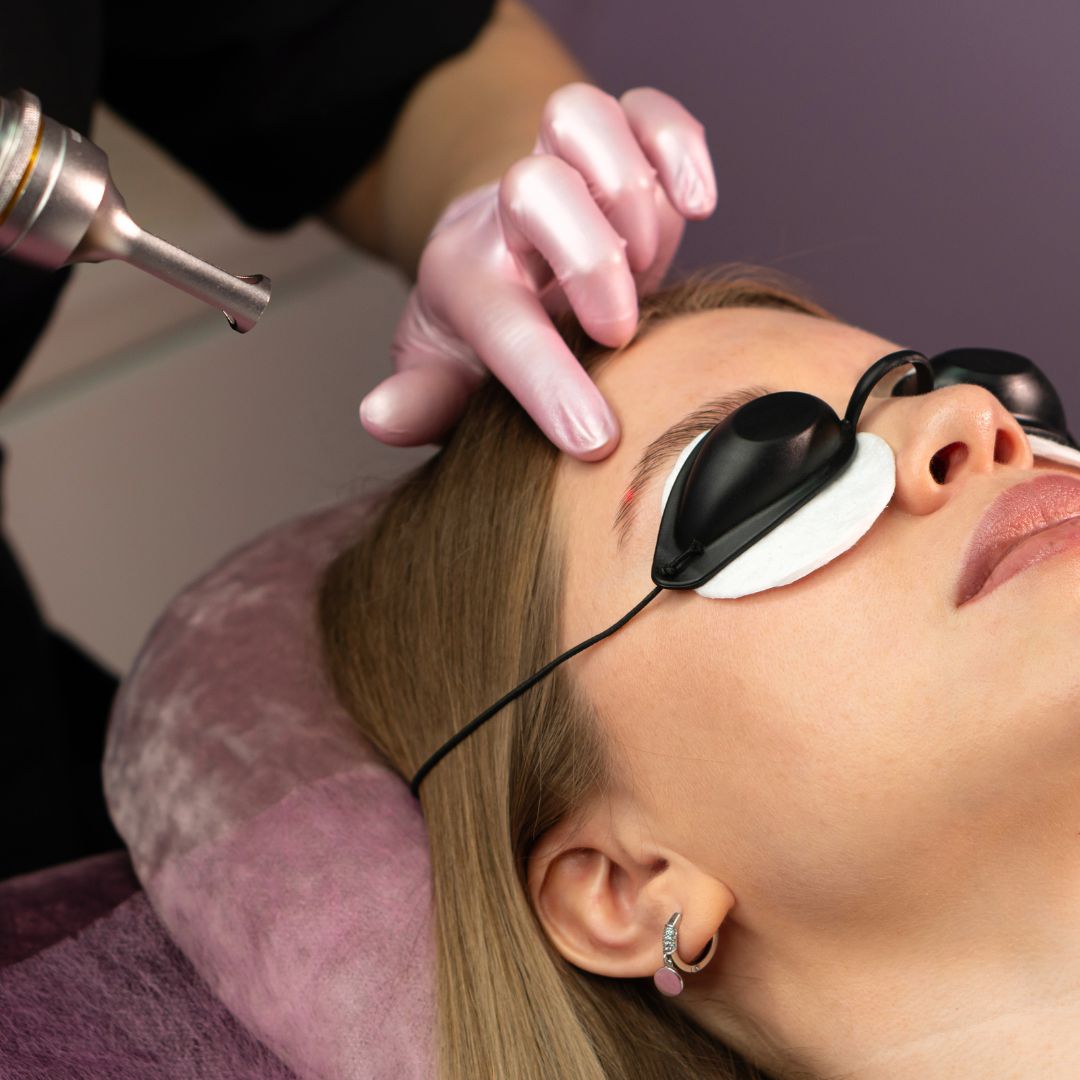
Laser treatments and chemical peels are additional methods that can improve skin texture and quality, which might indirectly lessen the appearance of tear troughs by tightening the skin and promoting new collagen growth. However, like topical treatments, these methods are more superficial and typically need to be part of a broader, more comprehensive approach to treating under-eye hollows.
It's important for individuals considering any cosmetic treatment to have realistic expectations. While modern aesthetic procedures can significantly improve the appearance of tear troughs, they are not always a permanent fix. The ageing process will continue, and maintenance treatments may be necessary to preserve the desired results.







%20(1).avif)