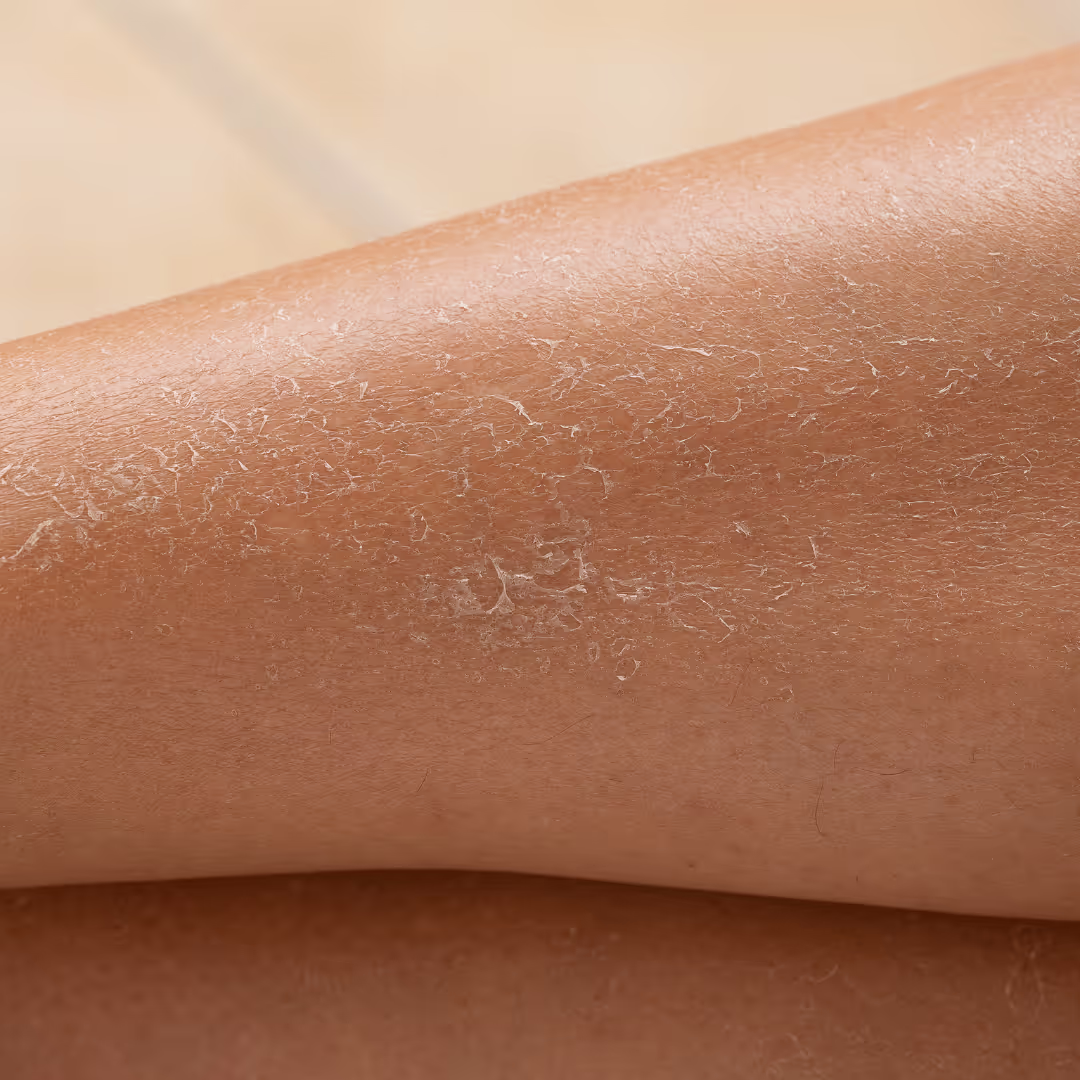
Dry skin, medically known as xerosis, is a widespread skin condition that affects individuals of all ages and backgrounds. It is characterised by a lack of adequate moisture in the epidermis, the outermost layer of the skin, which can lead to various symptoms including tightness, rough texture, flaking, itching, and even cracking. While it may seem like a minor nuisance, dry skin can significantly impact one's quality of life, causing discomfort and affecting one's self-confidence.
The causes of dry skin are manifold and can include environmental factors, lifestyle choices, and underlying health conditions. One of the most common environmental factors is exposure to dry weather conditions, particularly during the cold winter months when heating systems are used extensively. These systems tend to reduce humidity levels indoors, exacerbating skin dryness. Wind and sun exposure are also notable contributors, with UV rays from the sun breaking down the collagen and elastin fibres in the skin, which are crucial for its flexibility and moisture retention.
Additionally, frequent bathing, especially using hot water and harsh soaps, can strip the skin of its natural oils, leading to further dryness. The choice of skincare products is also crucial; products containing alcohol or fragrance can irritate the skin and exacerbate dryness. It is essential for individuals with dry skin to choose mild, fragrance-free cleansers and moisturisers that are specifically formulated to hydrate and protect the skin barrier.
Age is another critical factor in the development of dry skin. As we age, our skin naturally produces fewer oils, and the number of sweat glands in the skin also decreases. These changes result in drier skin, which is why older adults are more prone to xerosis. Furthermore, certain medical conditions such as diabetes, hypothyroidism, and eczema can impair the skin's ability to retain moisture, leading to chronic dry skin.
In terms of symptoms, dry skin is often visibly rough and flaky and can feel tight and uncomfortable, particularly after showering, bathing, or swimming. The skin may also appear reddened or have areas of irritation or inflammation. In severe cases, cracks can develop in the skin, which can be painful and serve as entry points for infections, making effective treatment and regular skincare crucial.
Treatment for dry skin focuses on rehydrating the epidermis and restoring the natural oils that protect the skin and retain moisture. This typically involves using emollients and moisturisers that contain ingredients like hyaluronic acid, glycerin, and ceramides. These ingredients are key in attracting and locking moisture into the skin and repairing the skin's barrier function. Applying these products immediately after bathing can help trap moisture in the skin.
In addition to topical treatments, lifestyle modifications can also play a vital role in managing dry skin. Increasing water intake, using a humidifier to add moisture to indoor air, and wearing protective clothing can help reduce the severity of symptoms. Diet also influences skin health; consuming foods rich in omega-3 fatty acids and antioxidants can help nourish the skin from the inside.
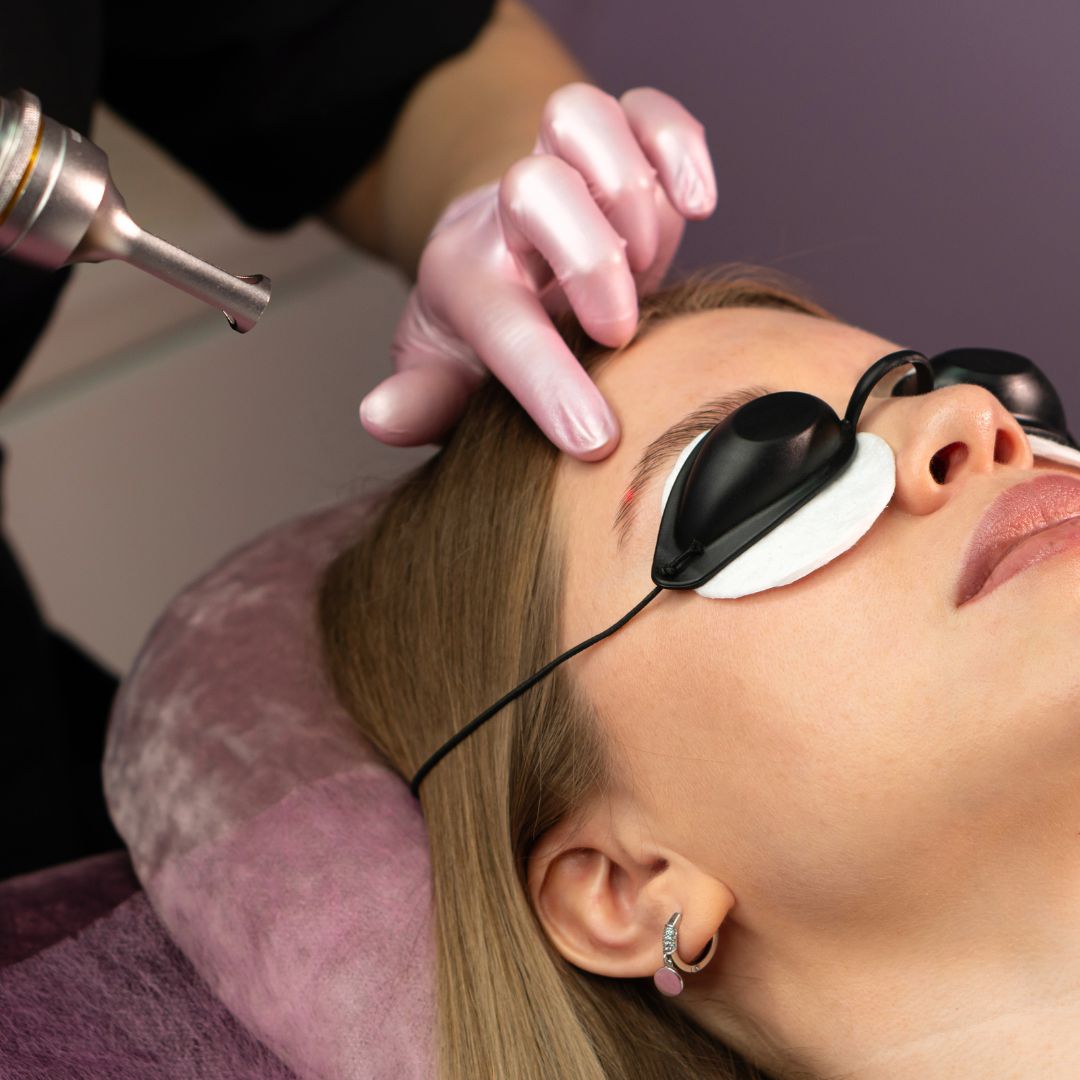
Our treatments are tailored to each individual's skin type and the specific causes of their dryness, ensuring that they receive the most effective and personalised care possible.





%20(1).avif)