Stretch marks, medically known as striae distensae, are a common skin concern that affects a significant portion of the population. These marks are essentially scars that develop when the skin is stretched rapidly and the normal production of collagen is disrupted. This is most often associated with periods of rapid growth, such as during puberty, pregnancy, or significant weight gain. However, they can also occur due to hormonal changes associated with conditions like Cushing's syndrome or Marfan syndrome, or through the prolonged use of corticosteroid medications.
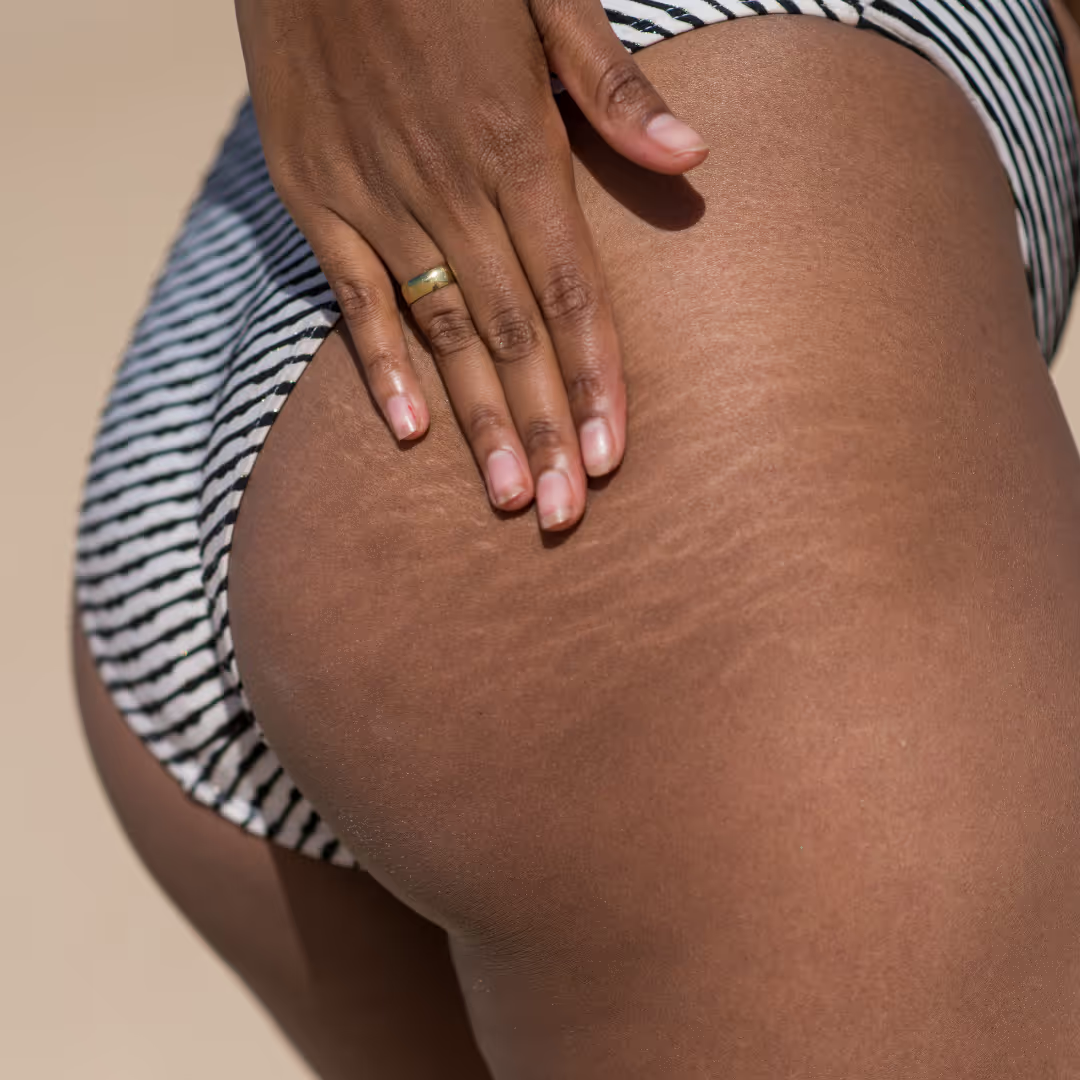
The appearance of stretch marks can vary depending on several factors, including skin type, race, age, diet, and hydration levels. Initially, they may appear as reddish or purple lines, making them more noticeable. Over time, they tend to fade to a lighter shade, becoming less prominent but still perceptible to the touch as they often have a different texture to the surrounding skin. Common areas affected include the abdomen, breasts, hips, buttocks, thighs, and upper arms.
The development of stretch marks can cause significant distress, impacting an individual’s body image and self-esteem. This is especially pertinent in today’s society, where there is considerable pressure to adhere to idealised body standards. Although both men and women can develop stretch marks, they are more prevalent among women, particularly during and after pregnancy.
From a physiological standpoint, the dermis — the middle layer of the skin that maintains form and elasticity — is the area affected when stretch marks form. Under normal circumstances, the dermis is elastic and resilient, thanks to fibres of collagen and elastin. When the skin is stretched too quickly, these fibres can break, leading to the characteristic lines of striae. Over time, the body attempts to repair these tears, but the new collagen that forms is typically less dense and organised, resulting in the visible and palpable difference of the scarred area compared to the unaffected skin.
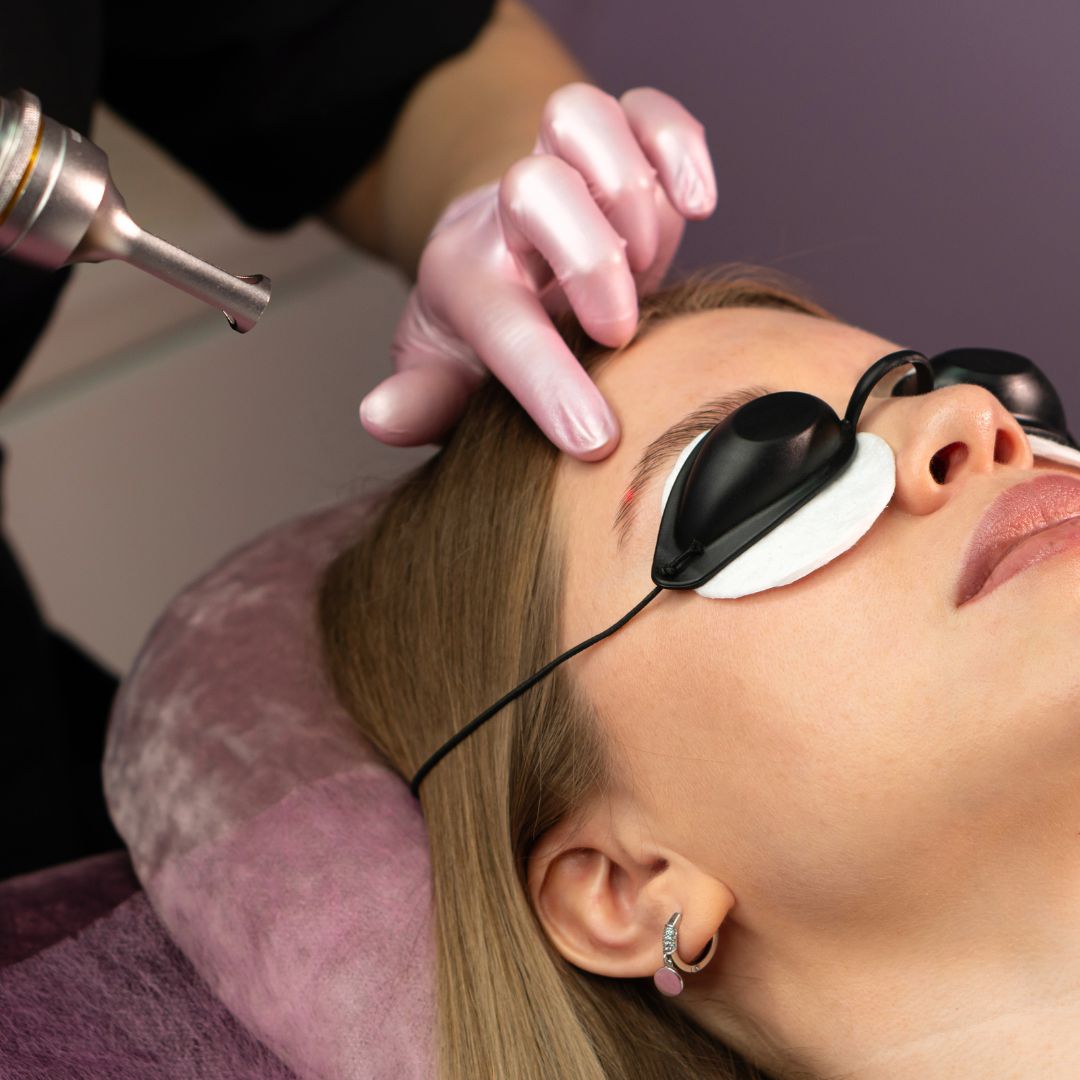
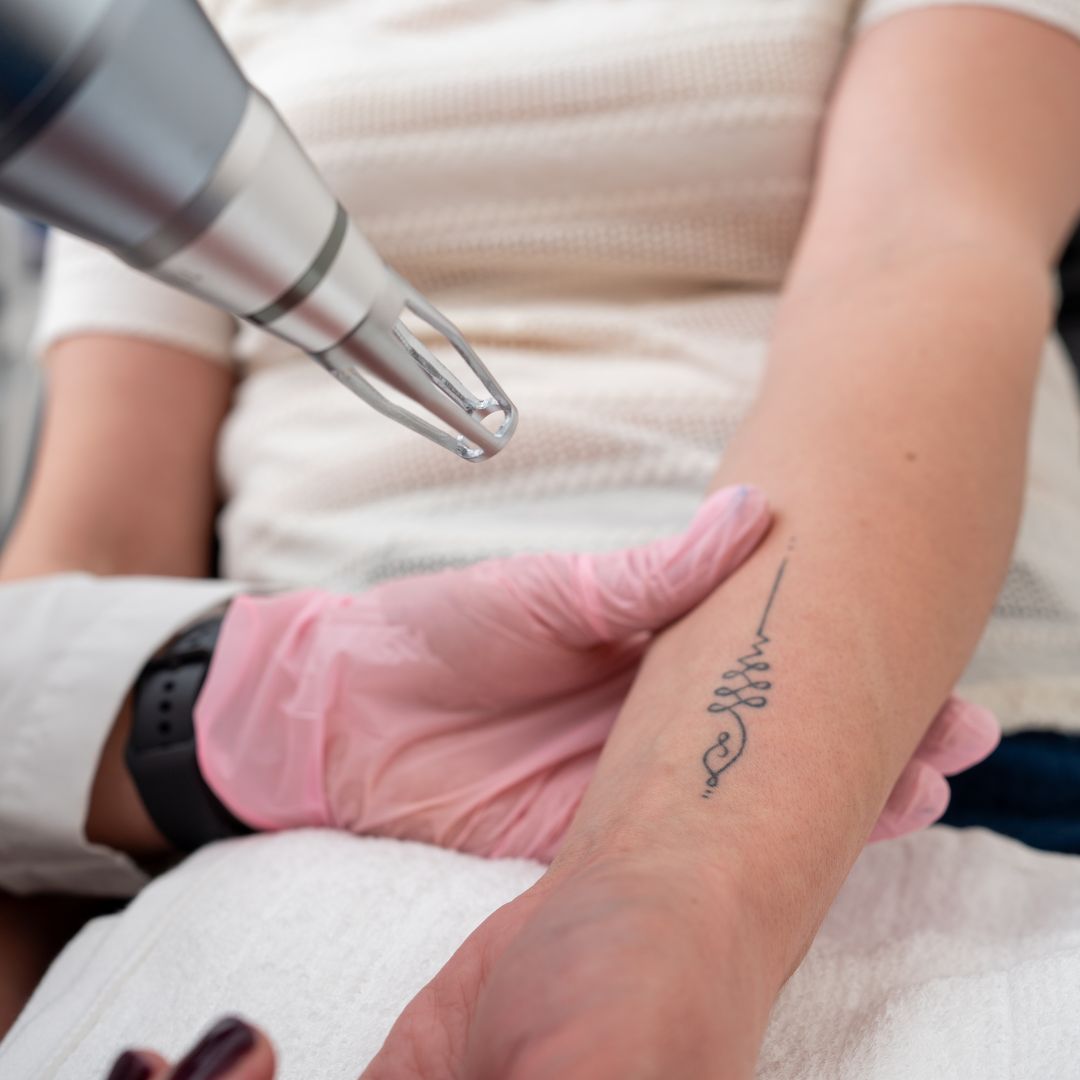
While these stretch marks are entirely natural and pose no health risk, many individuals feel a need to minimise their appearance for cosmetic reasons. Various treatments have been developed to address this demand, ranging from topical creams and oils aimed at enhancing skin elasticity to more advanced dermatological procedures. Among the latter, microdermabrasion, chemical peels, laser therapy, and radiofrequency treatments are some of the most widely used techniques. These methods aim to stimulate the skin’s natural healing processes and boost collagen production, thereby improving the appearance of stretch marks.
Preventative measures also play a crucial role in managing the formation of stretch marks. Maintaining a healthy diet rich in vitamins and minerals that support skin health, such as Vitamins A, C, and E, along with zinc and silicon, is essential. Keeping the body well-hydrated helps maintain the skin's elasticity, potentially reducing the risk of developing stretch marks. Regular moisturisation of the skin, especially in areas prone to stretching, can also be beneficial.
Despite the prevalence of stretch marks and the variety of treatments available, there is still no guaranteed method for complete removal, and many individuals may choose to embrace them as a natural part of life’s journey. The choice of treatment depends on a variety of factors, including the age of the marks, skin type, and the individual’s overall health, budget, and treatment goals.





%20(1).avif)