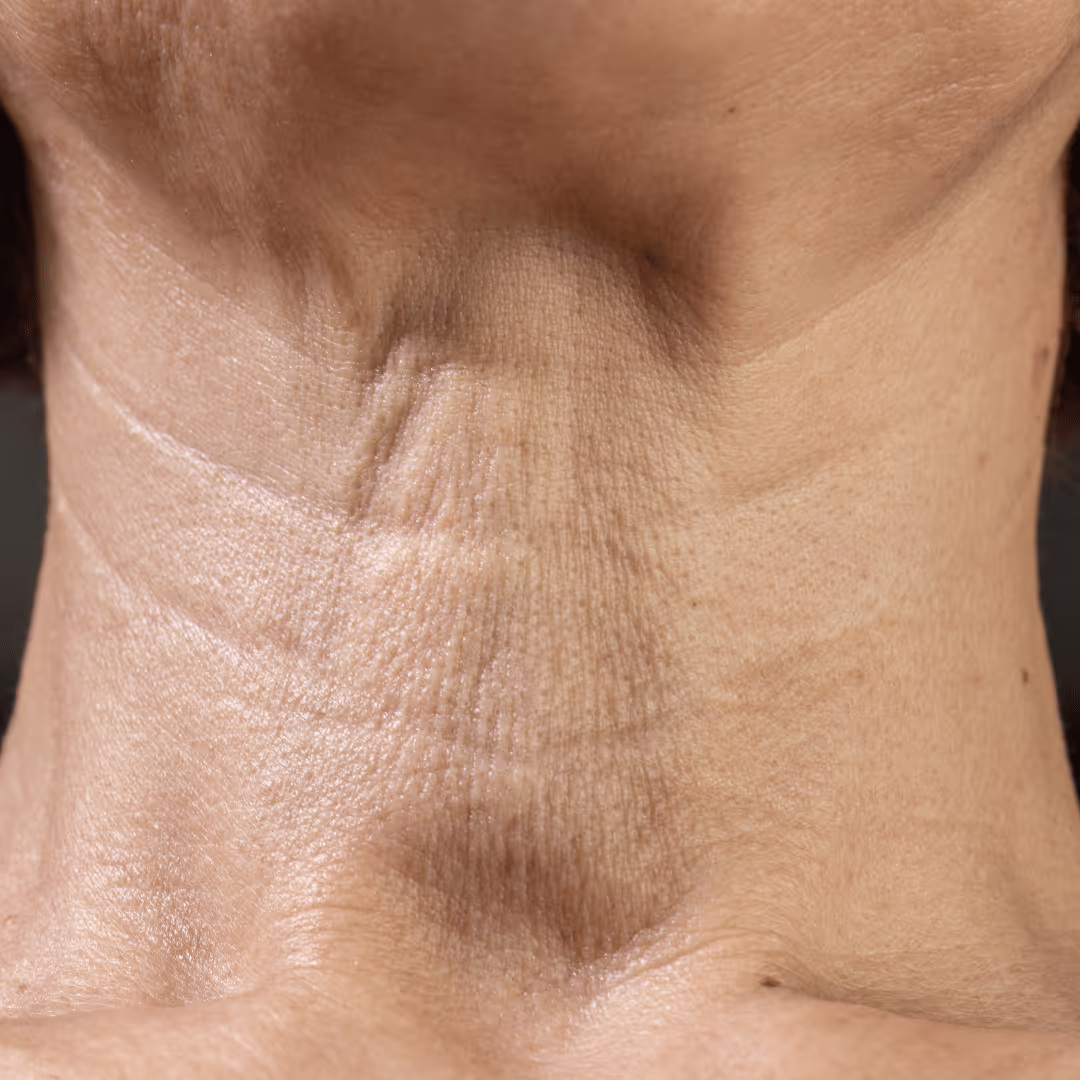
Neck lines, commonly seen as horizontal or vertical creases across the neck, are a natural part of the ageing process but can be accentuated by various factors such as sun exposure, lifestyle habits, and genetic predisposition. These lines may first appear subtly but can deepen over time, often leading to concerns about one’s appearance and the search for effective treatments.
As the skin ages, it gradually loses collagen and elastin, the proteins responsible for its elasticity and firmness. This intrinsic ageing process, combined with environmental factors such as UV radiation, can accelerate the deterioration of skin quality, particularly in areas exposed like the neck. The repetitive motion of the neck, such as frequent bending while using phones or computers, can further exacerbate the formation of these lines. This phenomenon, often referred to as "tech neck," reflects modern lifestyle habits impacting skin health.
Moreover, the skin on the neck is thinner and has fewer sebaceous glands than the skin on the face, making it more susceptible to dryness and premature ageing. Many individuals may not extend their skincare routines below the jawline, leading to a disparity in skin condition between the face and neck. This oversight can contribute to the earlier onset and more rapid progression of visible signs of ageing in the neck area.
Addressing neck lines effectively requires a comprehensive approach that considers both preventative and corrective measures. Hydration plays a crucial role in maintaining skin elasticity. Regular use of moisturisers that are rich in peptides, hyaluronic acid, and antioxidants can help to bolster the skin’s natural barrier and replenish moisture levels, making the skin appear smoother and more resilient.
Sun protection is equally important, as UV exposure is a major contributor to skin ageing. Applying a broad-spectrum sunscreen on the neck daily, even during less sunny periods, can significantly reduce further damage. Additionally, adopting habits that reduce repetitive neck movements and maintaining good posture can also help in slowing the development of neck lines.
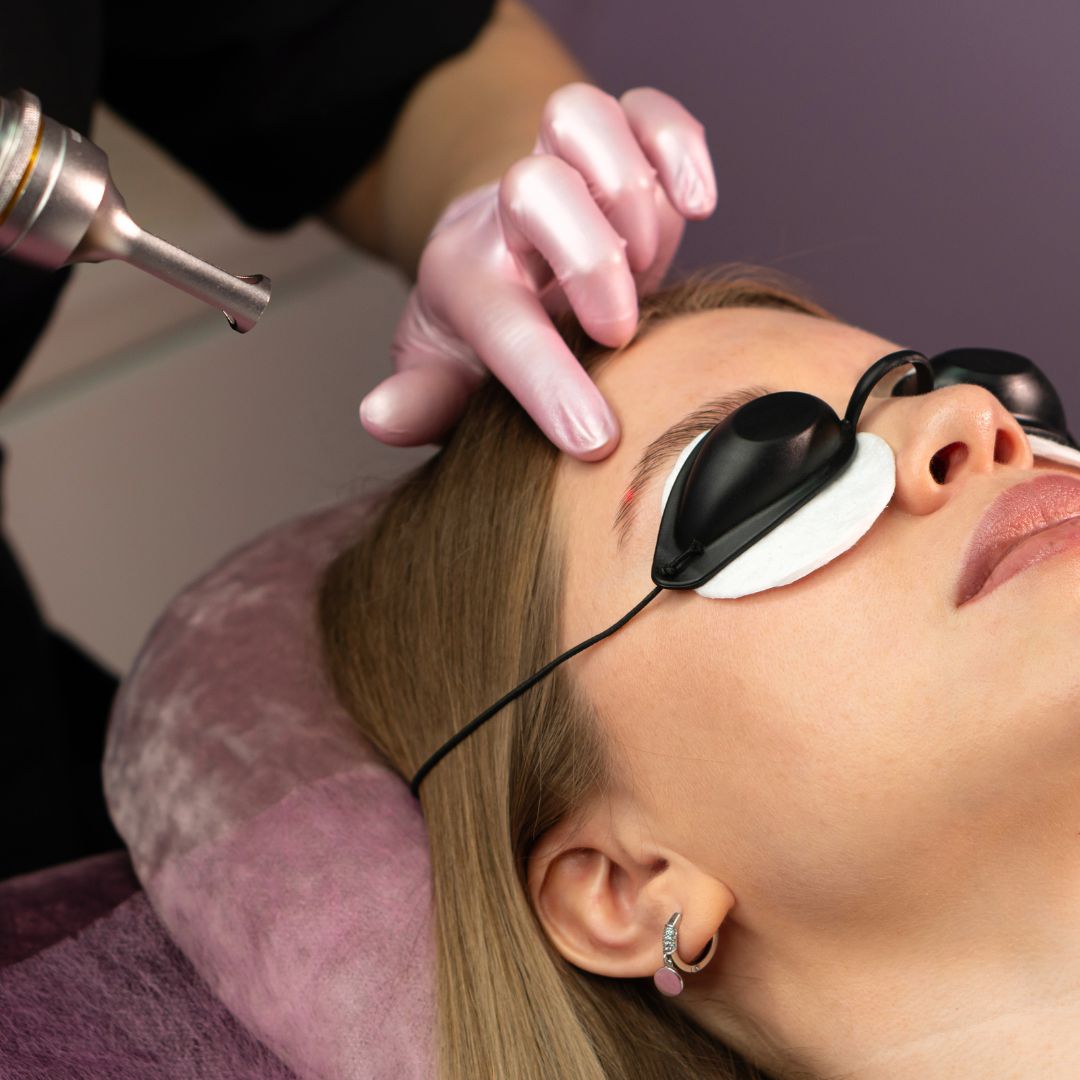
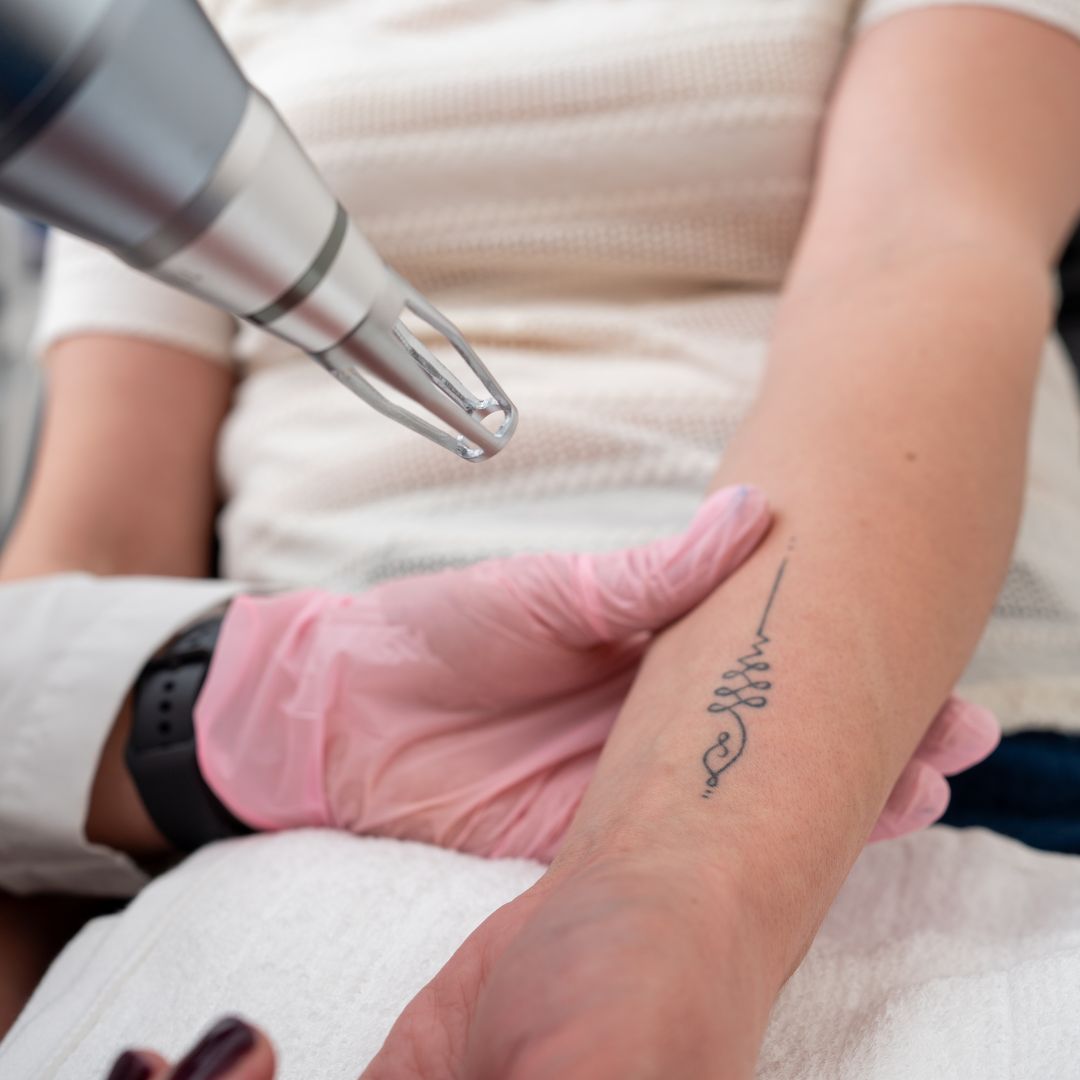
For those looking for more immediate or significant improvements, various aesthetic treatments are available. Dermal fillers, for instance, can be used to fill in deeper lines, providing instant results that rejuvenate the neck’s appearance. Another popular treatment is botulinum toxin injections, which can relax the neck muscles, thereby reducing the appearance of bands or lines caused by muscular contraction. Laser therapy and radiofrequency treatments are also effective for refining the skin texture and boosting collagen production. Furthermore, micro-needling, a process that involves creating tiny punctures in the skin to induce a healing response, has gained popularity for its ability to enhance skin texture and firmness.
For those seeking a more holistic approach, changes in nutrition and hydration can also impact skin health. A diet rich in antioxidants, vitamins C and E, and other nutrients that support skin elasticity can help in maintaining overall skin health and mitigating the effects of ageing.





%20(1).avif)