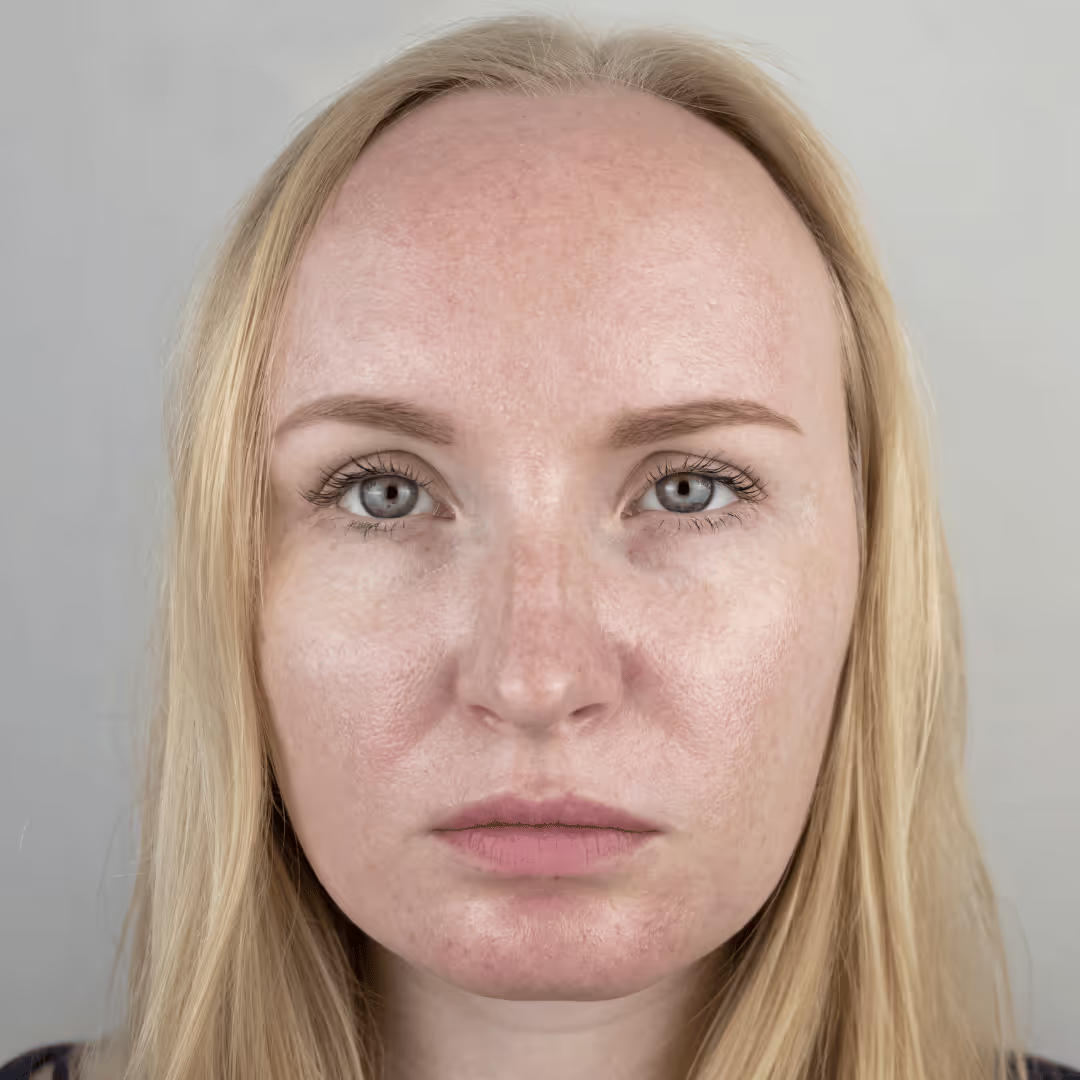
Oily skin, while often associated with adolescent years, can persist or appear for the first time in adulthood, presenting a series of aesthetic and dermatological challenges that affect millions globally. At Bavary Clinic, we understand that the underlying causes of oily skin are multifaceted and can vary widely from one individual to another. Genetics play a pivotal role, as do hormonal changes, which can fluctuate dramatically due to various life stages or conditions such as puberty, pregnancy, and menopause, or even due to the use of certain medications.
The fundamental issue with oily skin lies in the overproduction of sebum by the sebaceous glands. This natural oil is crucial for maintaining skin hydration and protecting against external contaminants. However, when produced in excess, sebum can lead to a glossy appearance and create an environment where bacteria can thrive, increasing the likelihood of acne flare-ups. This can be further exacerbated by environmental factors such as humidity and pollution, which can compound the skin’s oily nature and irritate the skin further.
Ingredients such as salicylic acid, niacinamide, and zinc have been shown to be particularly effective in managing sebum levels and are integral components of the skincare routines we prescribe.
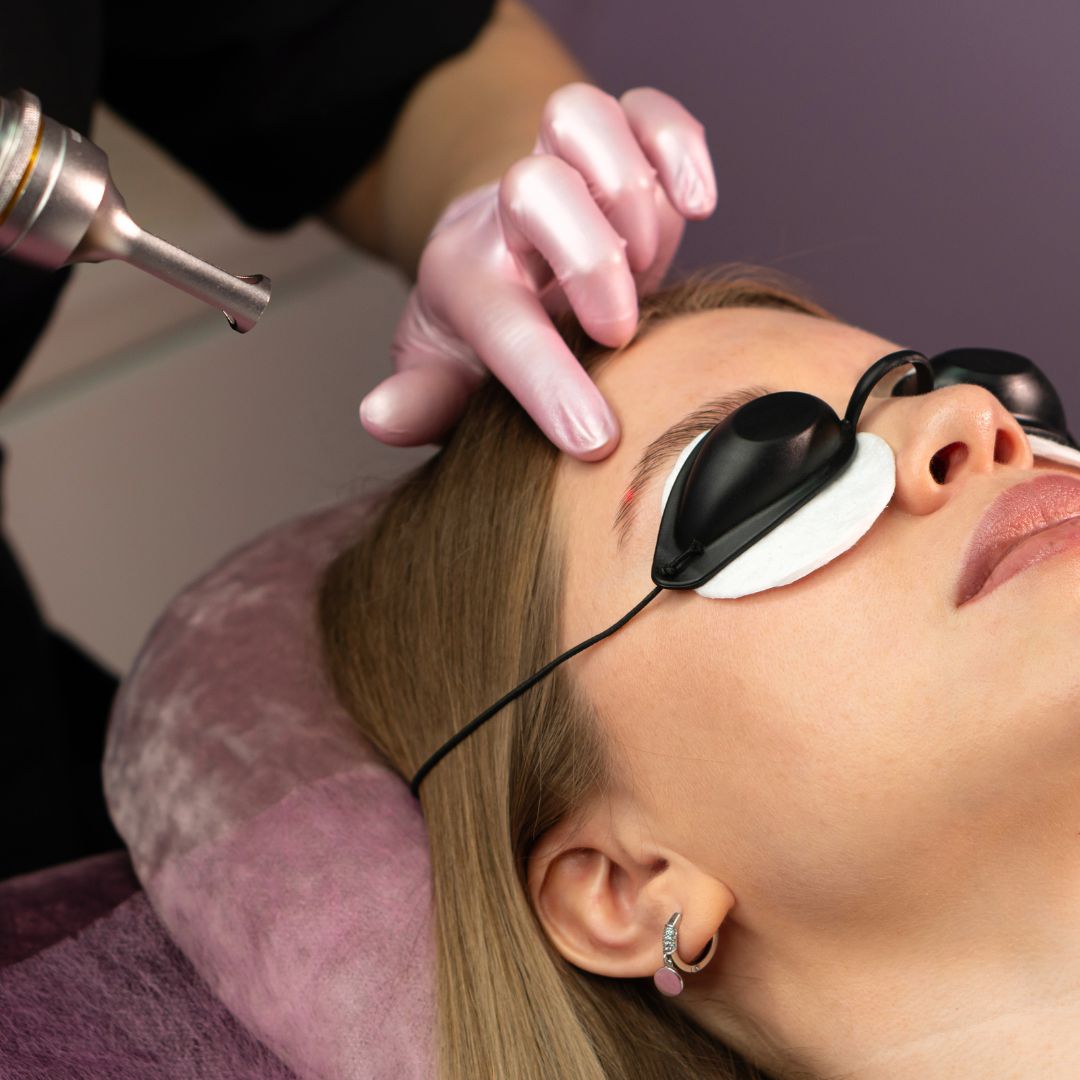
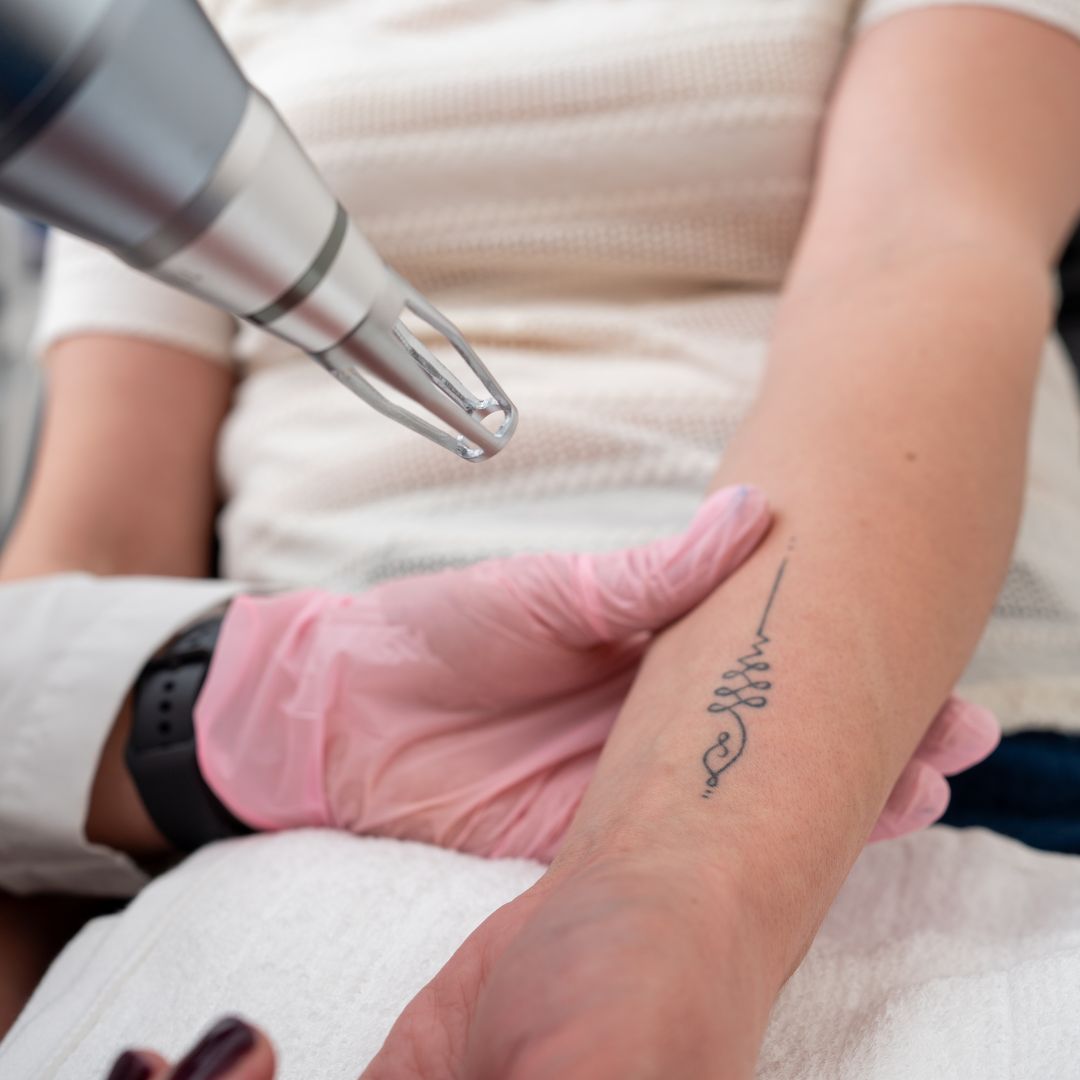
Beyond topical treatments, Bavary Clinic offers a range of non-invasive procedures that can significantly improve the condition of oily skin. Chemical peels, for example, can remove the build-up of excess oil and dead skin cells, clearing clogged pores and refreshing the skin’s overall appearance. Light-based therapies such as intense pulsed light (IPL) or laser treatments can also be effective, targeting deeper layers of the skin to regulate sebum production and reduce the size and activity of the sebaceous glands.
For individuals with persistent issues or those looking for more dramatic results, injectable treatments that use botulinum toxin have been a groundbreaking development. These injections can be strategically applied to areas with excessive sebum production, such as the forehead, nose, and chin, to decrease oiliness. The results of these treatments can be transformative, not only in the appearance of the skin but also in enhancing the individual’s confidence and comfort.
Diet and lifestyle adjustments also play a crucial role in managing oily skin. A balanced diet rich in antioxidants and omega-3 fatty acids, can help regulate oil production and improve skin health. Hydration is another critical factor; drinking ample water throughout the day helps maintain optimal skin moisture and balance. We also provide guidance on minimising exposure to oily skin triggers such as stress and lack of sleep, which are known to exacerbate sebum production.





%20(1).avif)