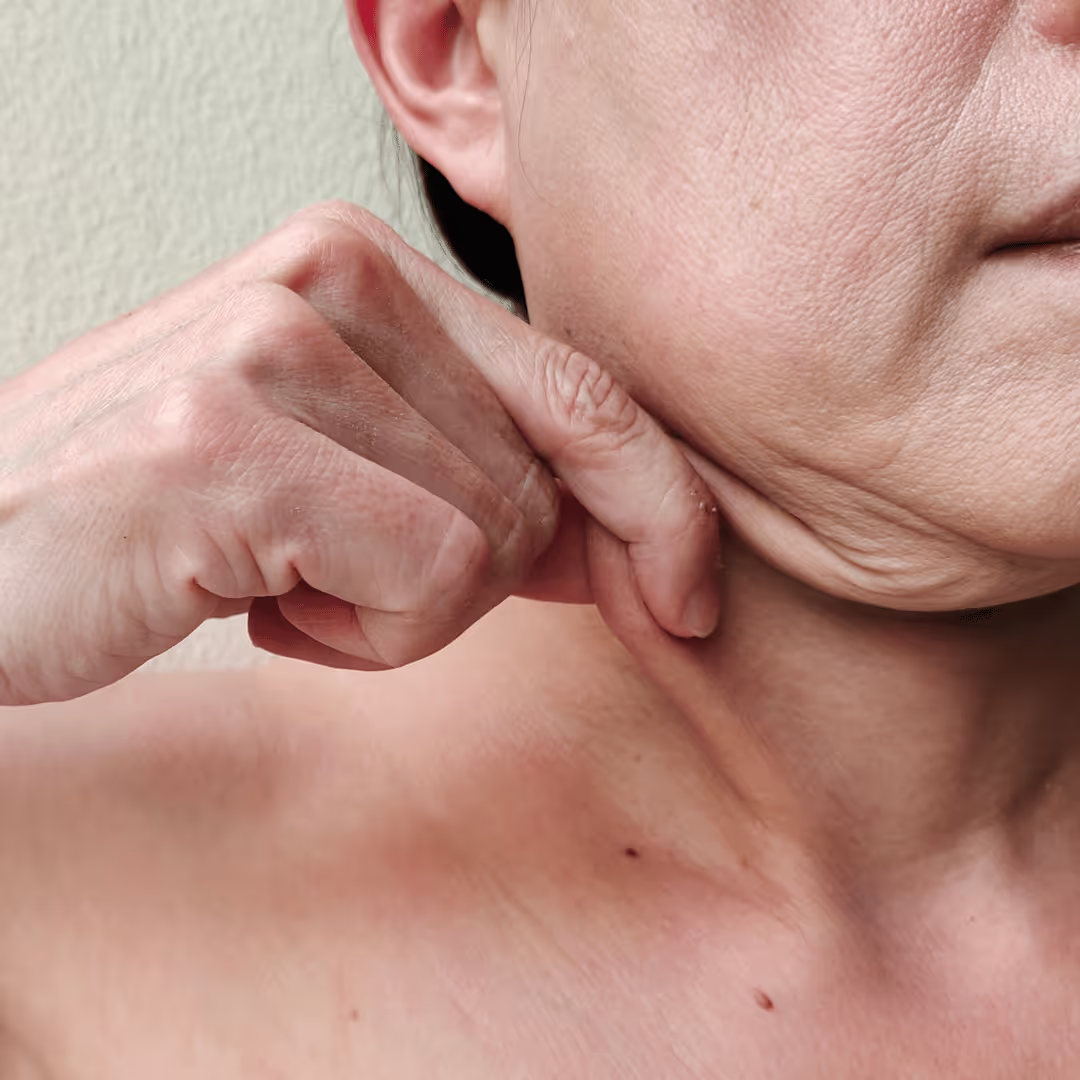
Sagging skin is an aesthetic concern that affects many individuals as they age, characterised by a noticeable decrease in the skin's elasticity and firmness. This condition is predominantly caused by the natural ageing process, during which the skin loses collagen and elastin—two vital proteins responsible for maintaining the skin's structure and elasticity. As a result, the skin begins to appear looser and less defined, particularly around the cheeks, jawline, and neck.
The development of sagging skin can be attributed to several factors, including genetic predisposition, lifestyle choices, and environmental exposures. Genetics play a crucial role, as they determine the skin’s resilience and how quickly ageing signs appear. Additionally, lifestyle factors such as smoking, excessive alcohol consumption, poor diet, and inadequate water intake can accelerate the degradation of collagen and elastin. Environmental factors like prolonged exposure to ultraviolet (UV) rays from the sun and pollution can further exacerbate the loss of skin elasticity.
Over time, the body's natural production of collagen and elastin slows down. In our youth, the skin is able to quickly regenerate these proteins, but as we age, this regeneration process diminishes. This reduction is significant because collagen acts as the scaffolding of the skin, providing structure and strength, while elastin allows the skin to stay firm and snap back into place after stretching or contracting.
The physical manifestation of sagging skin is not merely a cosmetic issue but can also affect an individual’s self-esteem and confidence. Many people find that sagging skin makes them appear tired or older than they feel, which can lead to dissatisfaction with their appearance. The psychological impact of this can be profound, as our appearance is closely linked to our self-identity and the way we present ourselves to the world.
One common area where sagging skin is particularly noticeable is the lower face and neck. As the skin sags, it creates jowls and can significantly alter the shape of the face, leading from a more defined jawline to one that appears softer and less contoured. Similarly, the skin on the neck may become loose and hang, creating what is commonly referred to as a "turkey neck."
The approach to managing and treating sagging skin has evolved significantly over the years. Traditional methods such as cosmetic surgery can provide dramatic improvements but often come with risks, significant recovery time, and a high cost. However, advances in medical aesthetics have introduced less invasive options that can effectively address skin laxity without the need for surgery.
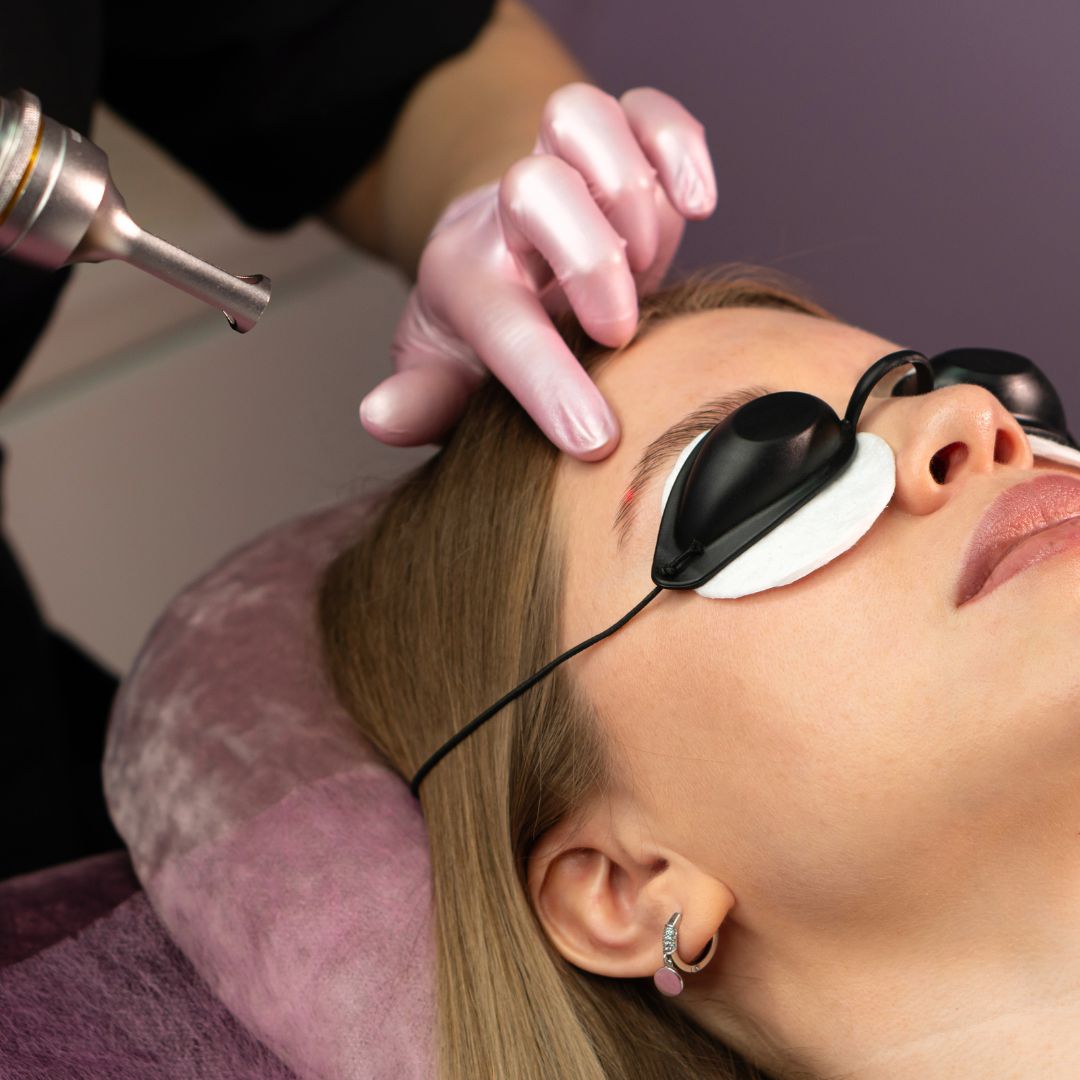
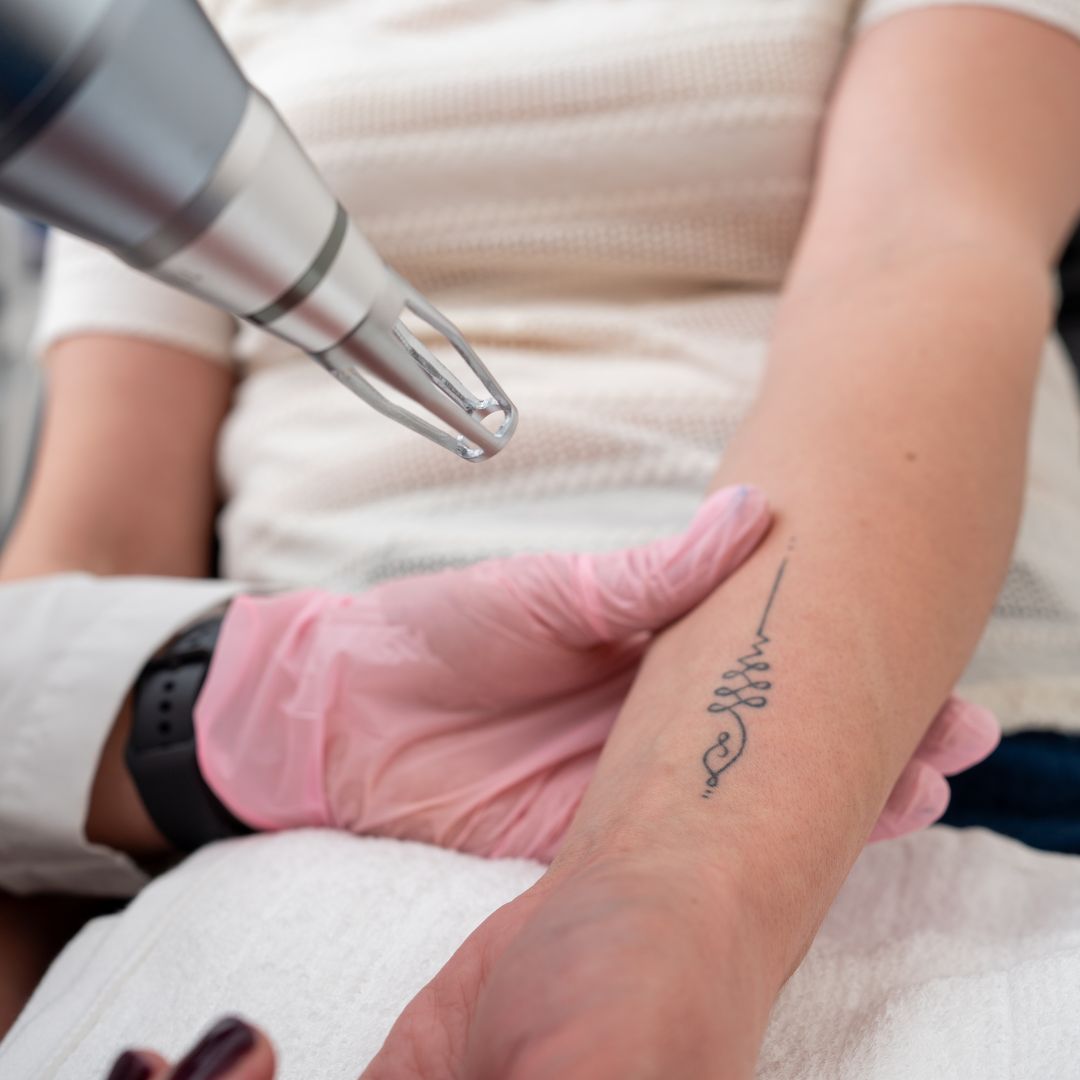
We offer a range of state-of-the-art treatments designed to restore skin firmness and improve its overall appearance. These treatments include the latest advancements in radiofrequency, ultrasound therapy, and laser treatments, which work by stimulating the skin’s natural collagen production.
Another popular option available at our clinic is the use of dermal fillers. These injectables can provide immediate results by filling in areas of lost volume and can indirectly help tighten the skin. The fillers we use are made from substances that are naturally found in the body, which minimises the risk of allergic reactions and ensures that the results are both safe and natural-looking.
For those seeking a more comprehensive approach, our clinic also offers a combination of treatments tailored to the individual’s specific needs. This might include a mix of injectables, laser therapy, and other non-surgical methods that work together to rejuvenate and lift the skin.





%20(1).avif)