Melasma
Melasma is a common skin condition characterised by dark, discoloured patches on the skin. Primarily affecting the face, it is more prevalent in women and often linked to hormonal changes such as pregnancy or the use of oral contraceptives.

Melasma is a common skin condition characterised by dark, discoloured patches on the skin. Primarily affecting the face, it is more prevalent in women and often linked to hormonal changes such as pregnancy or the use of oral contraceptives.

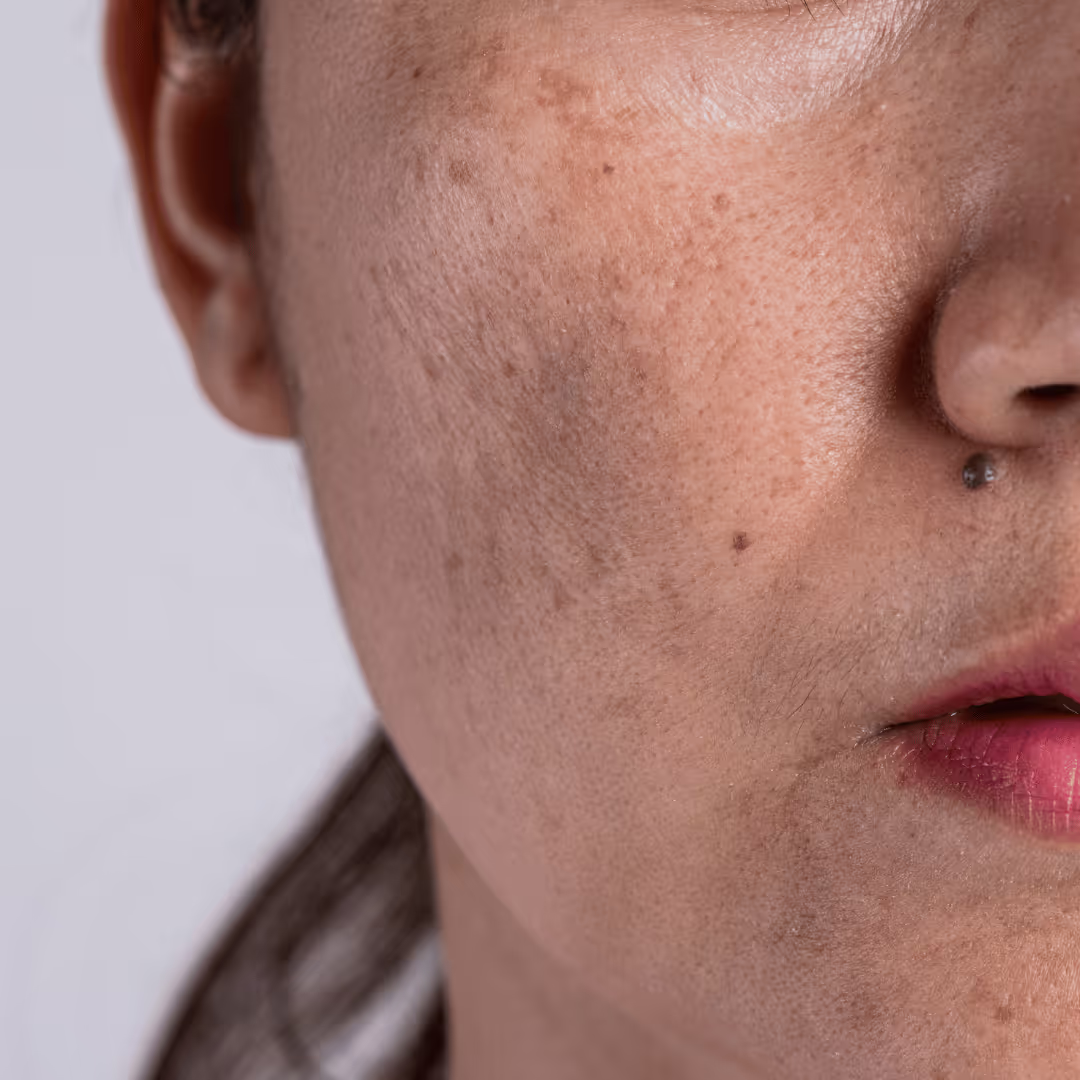
Melasma is a chronic skin condition that manifests as irregular patches of darkened skin, predominantly on the face. Although it can affect anyone, it is more commonly observed in women, particularly during periods of hormonal fluctuation such as pregnancy or when using hormonal contraceptives. The condition is characterised by the appearance of brown or grey-brown patches, typically on the cheeks, forehead, nose, and chin. These patches result from the overproduction of melanin by melanocytes, the cells responsible for pigment in the skin.
The precise causes of melasma are complex and not entirely understood, but several factors are known to contribute to its development. Genetic predisposition plays a significant role, with a higher incidence observed in individuals with a family history of melasma. Additionally, ultraviolet (UV) light exposure is a major trigger because it stimulates melanocytes to produce more melanin. Hence, sun exposure can exacerbate the condition, making sun protection a crucial aspect of managing melasma.
Hormonal influences are also significant, as evidenced by the frequent onset of melasma during pregnancy, referred to as the "mask of pregnancy," or when taking oral contraceptives or hormone replacement therapy. These hormonal changes appear to sensitise melanocytes to UV light, increasing their activity. Furthermore, stress and thyroid disease have been implicated as potential contributors to the condition, suggesting that a variety of physiological and environmental factors can influence melanin production.
Treatment for melasma must be tailored to the individual and often requires a multifaceted approach. Sun protection is foundational, with the consistent use of broad-spectrum sunscreens that protect against both UVA and UVB rays. Sunscreens containing physical blockers like titanium dioxide or zinc oxide are particularly effective as they provide a barrier against UV radiation. Additionally, wearing wide-brimmed hats and seeking shade are advisable to minimise direct sun exposure.
Topical treatments are commonly prescribed to lighten the dark patches. These include ingredients such as hydroquinone, which inhibits melanin production; tretinoin, which accelerates cellular turnover; and corticosteroids, which can help to reduce inflammation. These agents are often used in combination to enhance their efficacy. For instance, a compounded formulation known as a triple cream, which combines hydroquinone, tretinoin, and a corticosteroid, is widely regarded as an effective treatment for melasma.
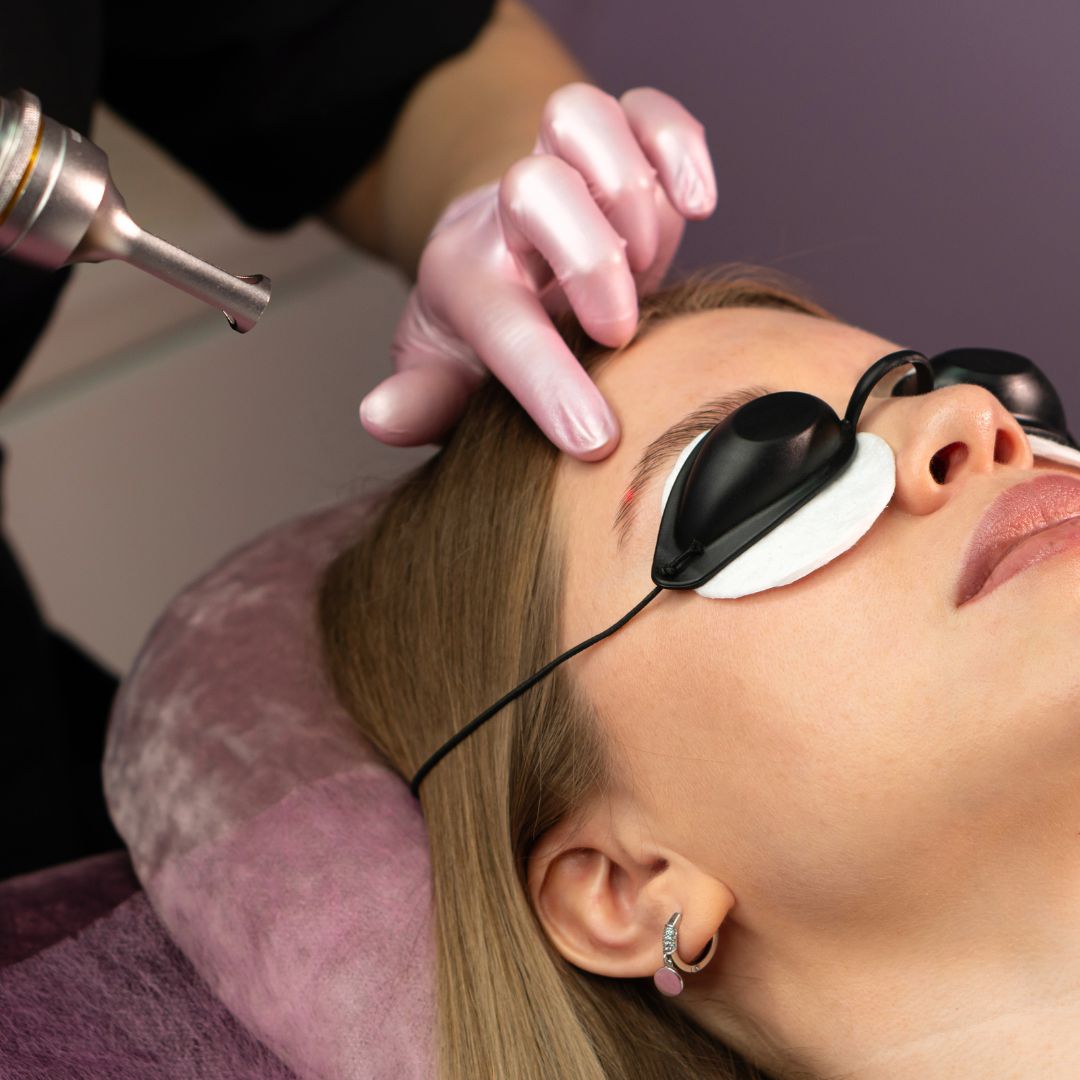
Chemical peels and laser treatments can also be beneficial for some patients. Chemical peels involve the application of a solution to the skin, which causes the top layers to peel off, potentially lightening areas of hyperpigmentation. Laser treatments, on the other hand, target melanin specifically and can help break down the pigment in the darker areas of the skin. However, these treatments must be approached with caution, as there is a risk of post-inflammatory hyperpigmentation, particularly in individuals with darker skin tones.

Long-term hair reduction through precise, medical-grade laser technology.

A gentle laser-based treatment designed to safely fade unwanted semi-permanent makeup while protecting the surrounding skin.

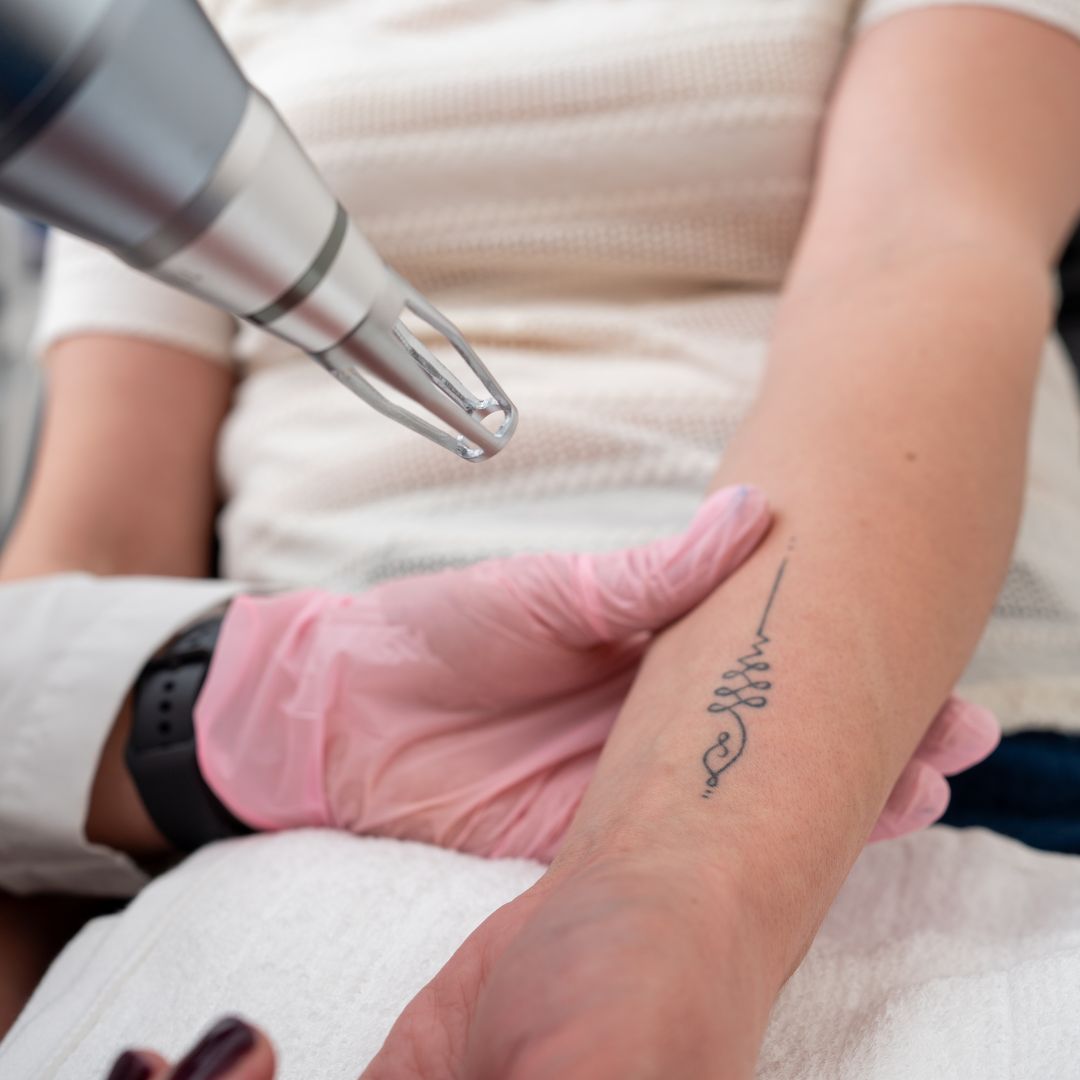
A targeted laser treatment designed to safely fade and remove unwanted tattoos while preserving skin integrity.

A maintenance treatment designed to refresh colour, definition and shape while preserving natural softness.

Preventing melasma from worsening largely hinges on diligent sun protection and lifestyle management. As ultraviolet (UV) radiation is a significant trigger for melasma, protecting the skin from sun exposure is crucial. It is recommended to use a broad-spectrum sunscreen with a high SPF, ideally 30 or higher, that provides both UVA and UVB protection.
Apart from sun protection, avoiding known triggers such as hormonal medications like oral contraceptives or hormone replacement therapy may help manage the condition. If these medications are essential for other health reasons, consulting with a healthcare provider for alternatives or additional ways to control melasma may be beneficial.
Lifestyle factors such as stress management and maintaining a healthy diet rich in antioxidants can also play a supportive role. Antioxidants help combat oxidative stress that can contribute to skin discoloration. Foods rich in vitamins C and E, for instance, can help protect the skin from UV damage and improve skin health overall.
For severe melasma, a combination of treatments might be necessary to achieve noticeable results. The cornerstone of any treatment plan is usually a topical regimen that includes agents like hydroquinone, which is considered one of the most effective skin-lightening agents. Hydroquinone works by inhibiting the enzyme responsible for melanin production. However, due to potential side effects with long-term use, it is typically prescribed for short durations or in cycles.
In addition to hydroquinone, other topical treatments like tretinoin (a retinoid that speeds up cell turnover) and corticosteroids (to reduce inflammation) can be used. These agents are sometimes combined into a single formulation known as a triple-combination cream, which has been shown to be highly effective in treating melasma.
For more persistent cases, procedures like chemical peels, microdermabrasion, or laser therapy may be recommended.
Melasma can be a very persistent skin condition, and while it can be managed effectively with treatment, it may not disappear completely. The likelihood of melasma clearing up completely varies depending on factors such as the depth of the pigmentation and how well the underlying triggers (such as hormonal fluctuations or sun exposure) are managed. In some cases, especially when melasma is hormonally induced during pregnancy, it may fade significantly after childbirth when hormone levels return to normal.
However, in many cases, melasma requires ongoing management to keep the pigmentation from returning. This includes continual sun protection, the regular use of topical treatments that inhibit melanin production, and possibly maintenance treatments with lasers or peels. Patients should have realistic expectations and understand that while treatments can lead to significant improvements in the appearance of melasma, a long-term commitment to treatment and sun avoidance is often necessary.
Melasma is not harmful; it does not cause physical pain or lead to more serious health issues. However, it can have significant psychological and emotional impacts due to its visible nature, particularly since it affects the face. Many individuals with melasma may experience a decrease in self-confidence or self-esteem, and it can lead to social anxiety or depression.
While melasma itself is not medically harmful, it is important to have any skin changes evaluated by a dermatologist to ensure that darkened patches are indeed melasma and not another skin condition that could be more serious, such as skin cancer. Once other conditions are ruled out, the focus can shift to managing the appearance of melasma, supported by both medical treatments and emotional or psychological support.
Nestled in the bustling streets of Harrow in London and the serene ambiance of Sligo, Bavary Clinic is a beacon of excellence in aesthetic and skin care. Our clinic is dedicated to enhancing skin health and beauty through innovative treatments and personalised care. Our team of practitioners brings forth a wealth of expertise in aesthetic medicine and anti-aging therapies. With a commitment to delivering natural-looking results, we embrace a minimalistic approach, blending various modalities to harmonise with each individual’s unique features.
Whether you step through the discreet doors of our Harley Street flagship or the tranquil setting of our Sligo location, expect nothing less than a transformative experience. Our mission is to rejuvenate and revitalise, instilling youthful radiance while preserving the essence of your natural beauty. At Bavary Clinic, we believe in the synergy of science and artistry.
Our treatments are backed by rigorous scientific research, ensuring efficacy and safety at every step. From advanced skincare routines to state-of-the-art cosmetic procedures, we tailor each treatment to address your specific concerns and aspirations. Experience the epitome of luxury and sophistication as you embark on a journey to radiant skin and renewed confidence.
%20(1).avif)
Discover what our patients have to say about our clinic, practitioners and treatments.