Scars are one of the most common skin concerns that patients seek help for, as they are not just a physical reminder of past injuries or conditions but can also significantly impact self-esteem and quality of life. Understanding scars and the various treatments available to address them is vital for anyone looking to improve their skin's appearance.
Scars form as part of the natural healing process following an injury to the skin. When the dermis — the thick layer of skin below the surface — is damaged, the body forms new collagen fibres to mend the damage, resulting in a scar. The type and severity of the scar depend on multiple factors, including the size and depth of the wound, the location on the body, the age of the individual, their genetic predisposition, and skin colour.
There are several different types of scars. Atrophic scars are characterised by a sunken appearance and are often the result of acne or chickenpox. This type of scarring occurs when the underlying structures supporting the skin, such as fat or muscle, are lost. Hypertrophic scars, on the other hand, are raised and red. They do not extend beyond the boundary of the original wound but may continue to thicken for some time. Similar to hypertrophic scars, keloid scars are also raised but can grow beyond the edges of the wound, forming large, tumour-like growths on the skin. These are more common in people with darker skin tones and can be particularly challenging to treat.
The treatment of scars has advanced significantly over the years and now includes a variety of state-of-the-art options designed to reduce their appearance.
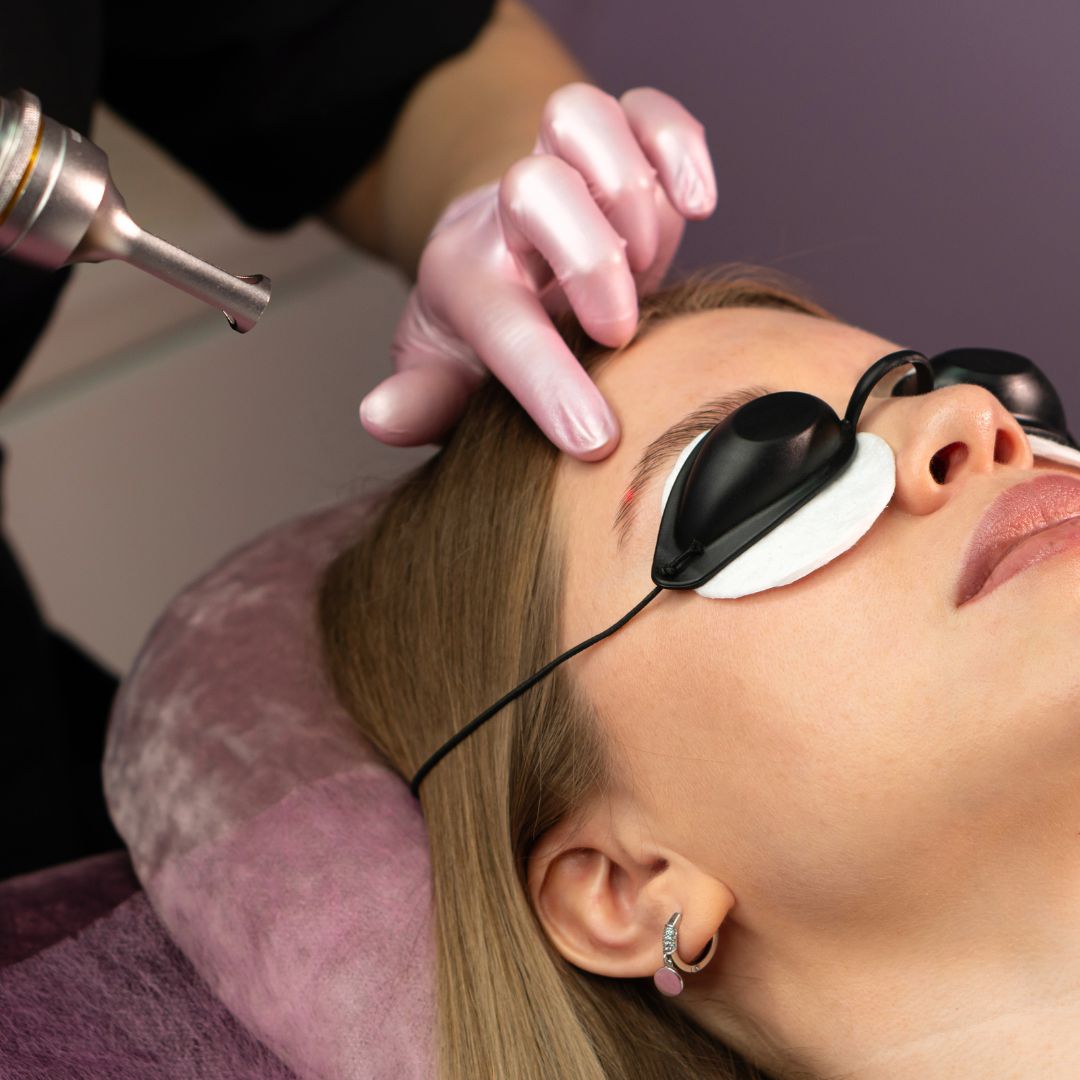
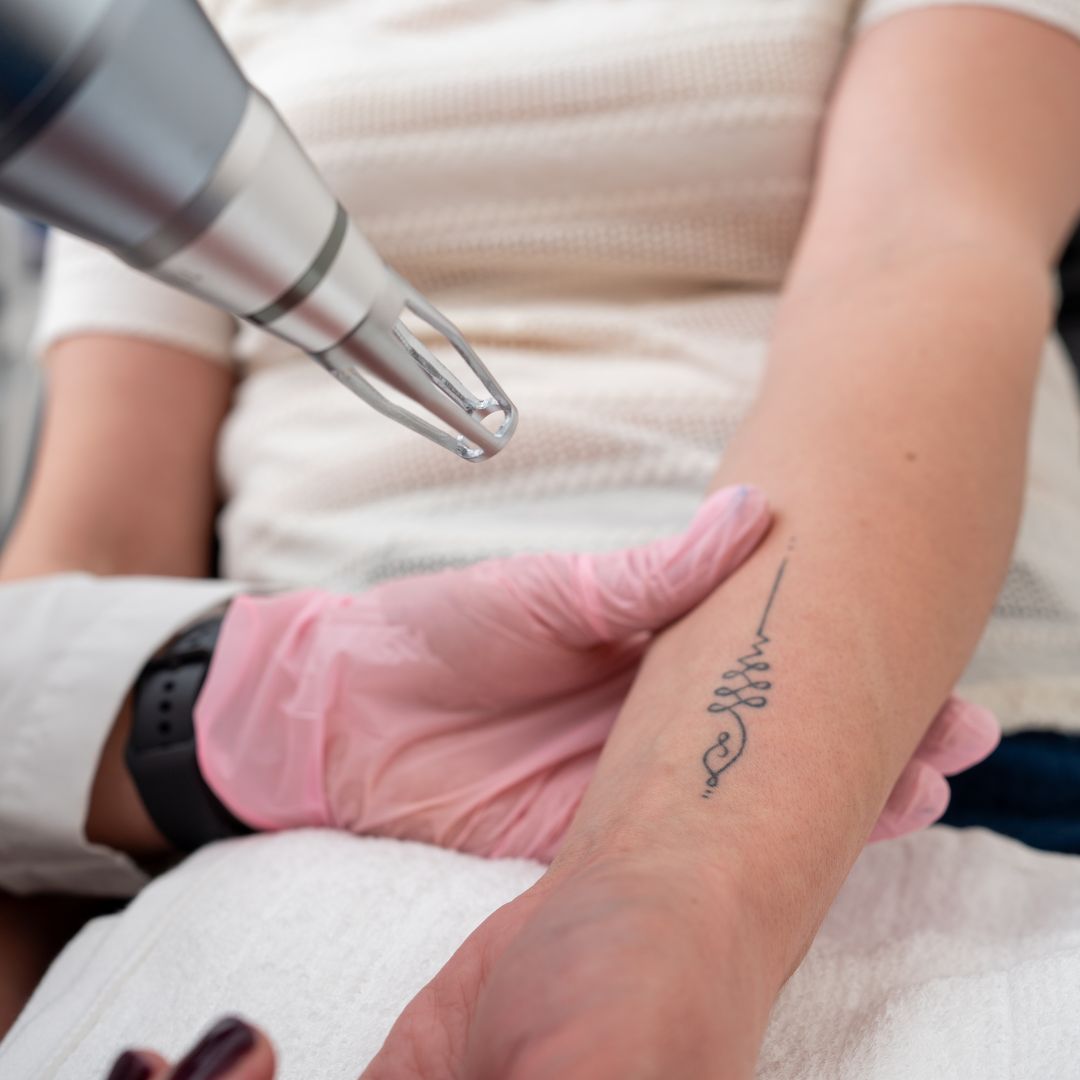
One popular treatment option is laser therapy, which uses focused light therapy to either remove the outer layer of the skin or stimulate the production of new skin cells to cover damaged skin cells. Laser treatments can be very effective for many types of scars, especially when combined with other treatments. For atrophic scars, such as those from acne, technologies like fractional laser treatment can be used to create micro-columns of thermal injury to the skin, which triggers the body's natural healing process and encourages the growth of new, healthy skin.
Another effective treatment for scar management is microneedling, also known as collagen induction therapy. This procedure involves using small needles to create micro-punctures in the skin, stimulating collagen and elastin production. Over time, this can lead to a smoother, more refined skin texture.
For raised scars, such as keloids or hypertrophic scars, corticosteroid injections are often employed. These injections can help reduce itching, redness, and burning sensations in the scarred area, as well as flatten the scar. Cryotherapy, which involves freezing the scar with liquid nitrogen, may also be used to reduce the size of hypertrophic or keloid scars.
Additionally, fillers can be used to lift atrophic scars to the level of surrounding skin. The effects of fillers are temporary, but they can be an effective part of a scar treatment regimen, particularly for those looking for immediate improvements.
In some cases, surgical treatment may be necessary, particularly for very large or deep scars. Surgical options include scar revision, which aims to make the scar less conspicuous by altering its size, depth, or colour. While surgery cannot completely remove a scar, it can significantly improve its appearance and make it less noticeable.




%20(1).avif)