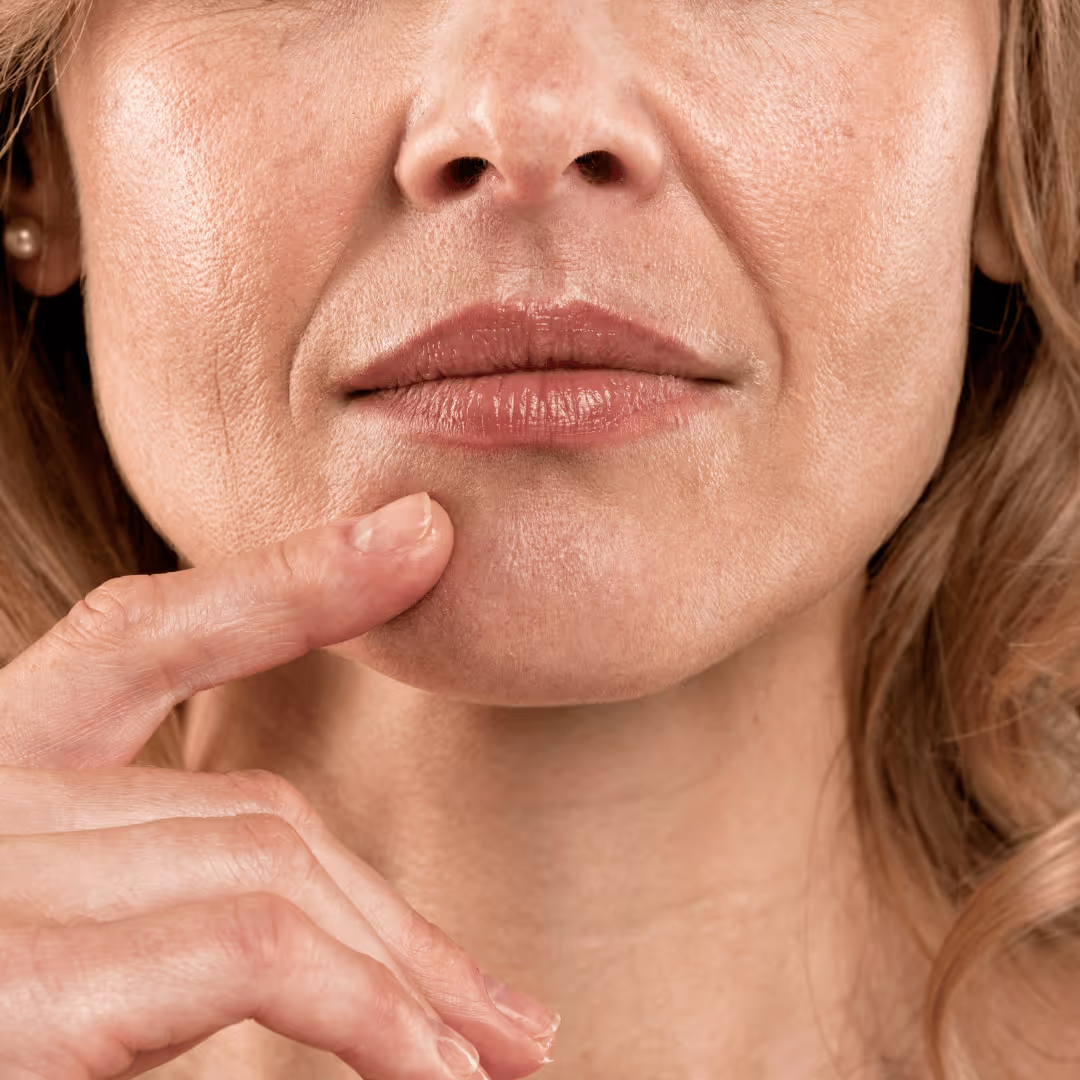
Nasolabial folds, often referred to as smile lines or laugh lines, are natural creases that appear on either side of our mouth, extending from the edge of the nose to the corners of the mouth. These lines are a normal part of the human facial structure and are more prominent when we smile—hence their colloquial names. However, as we age, these folds can deepen and become more pronounced, making them a common aesthetic concern for many individuals seeking facial rejuvenation.
The formation and deepening of nasolabial folds are primarily influenced by several factors, including age, genetics, lifestyle, and environmental exposures. As we age, our skin loses its natural elasticity due to the breakdown of collagen and elastin—two key proteins that provide structure and elasticity to the skin. This loss in elasticity, combined with the gradual depletion of facial fat that gives our face a plump, youthful appearance, leads to sagging skin and the deepening of these folds.
Genetics also play a significant role in how our skin ages and how pronounced certain facial lines and wrinkles, including nasolabial folds, become over time. Some individuals may notice these folds becoming more visible at a younger age if their parents also experienced similar changes in facial structure. Moreover, lifestyle factors such as smoking, excessive sun exposure, poor diet, and high-stress levels can accelerate the natural ageing process, leading to premature deepening of nasolabial folds. UV radiation from prolonged sun exposure can further break down collagen and elastin, exacerbating the visibility of these lines.
Furthermore, repetitive facial expressions, such as smiling, laughing, or frowning, can contribute to the deepening of these folds. Each time we use our facial muscles, we create a groove beneath the skin's surface, which can become more permanent as the skin loses its flexibility. Over time, these grooves become visible even when the face is at rest.
We offer a range of state-of-the-art treatments tailored to address the unique concerns related to nasolabial folds. One of the most popular treatments for nasolabial folds involves the use of dermal fillers. These fillers, made from hyaluronic acid, a naturally occurring substance in the skin, are carefully injected into the area around the folds to add volume and smooth out the lines. The result is a softer, more youthful appearance with diminished fold depth.
Dermal fillers are particularly favoured for their immediate results and minimal downtime. The procedure is non-surgical, typically completed within 30 to 45 minutes, and clients can return to their normal activities immediately after treatment. The results are temporary but can last from six months to over a year, depending on the type of filler used and the individual's skin response. Additionally, many modern fillers include lidocaine, a local anaesthetic, to ensure the injection process is as comfortable as possible.
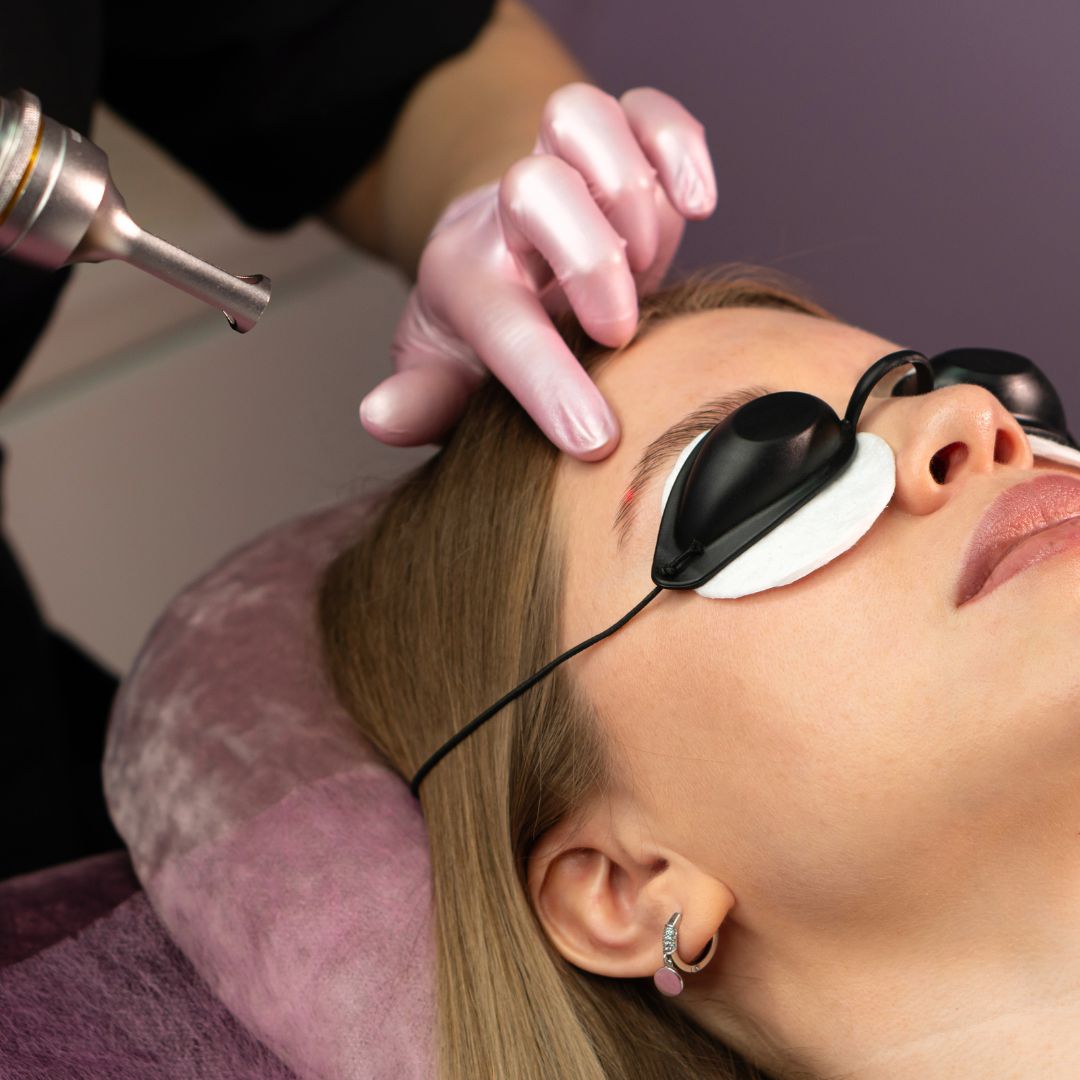
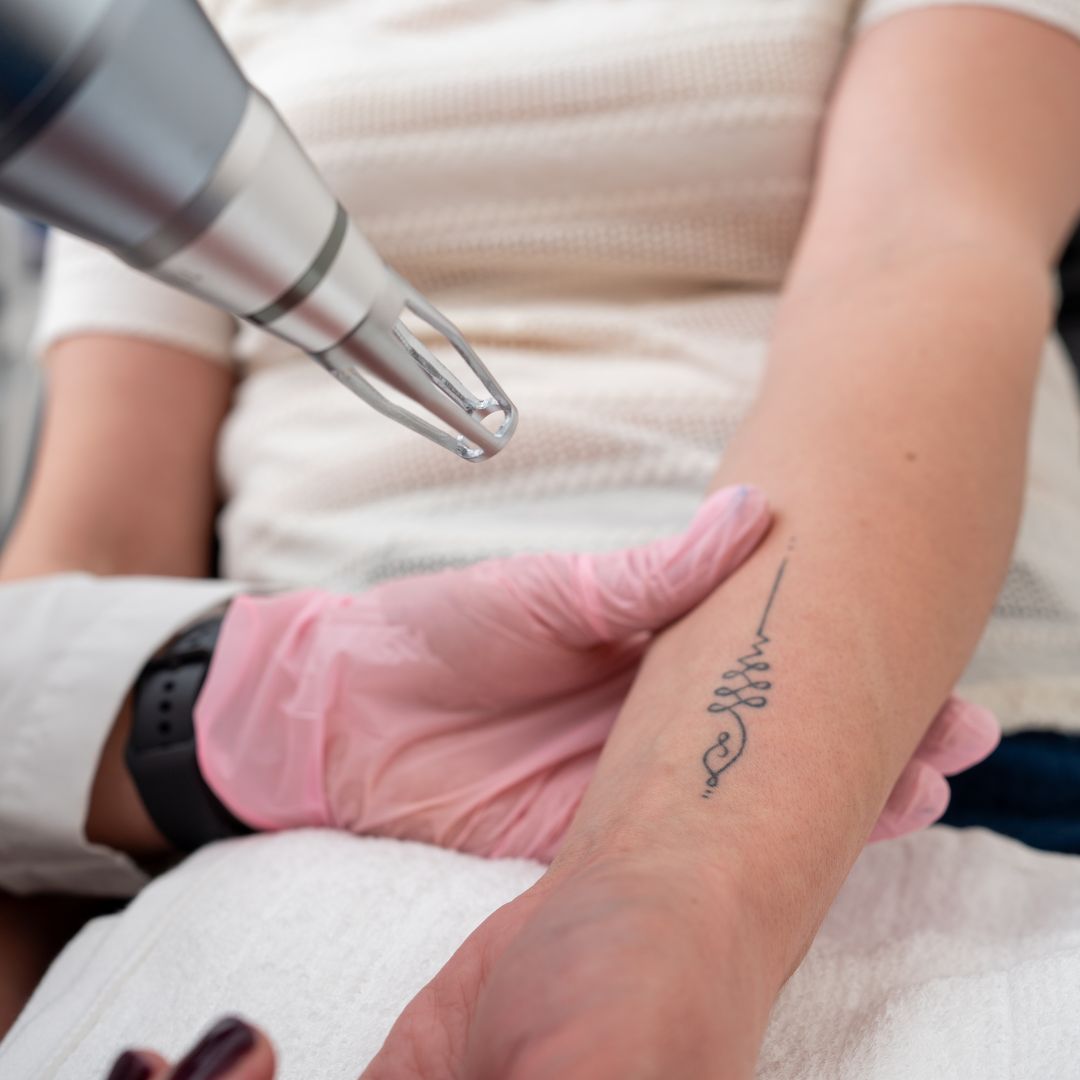
For those seeking a more permanent solution, we also offer advanced procedures that focus on stimulating the body’s own collagen production, thereby enhancing skin elasticity and reducing the appearance of nasolabial folds over time. These treatments, such as laser therapy and microneedling, work by creating micro-injuries in the skin, which trigger the body's natural healing process and boost collagen production. Although these treatments require a series of sessions to achieve optimal results, they offer a long-term solution to not only reduce nasolabial folds but also improve overall skin texture and firmness.





%20(1).avif)