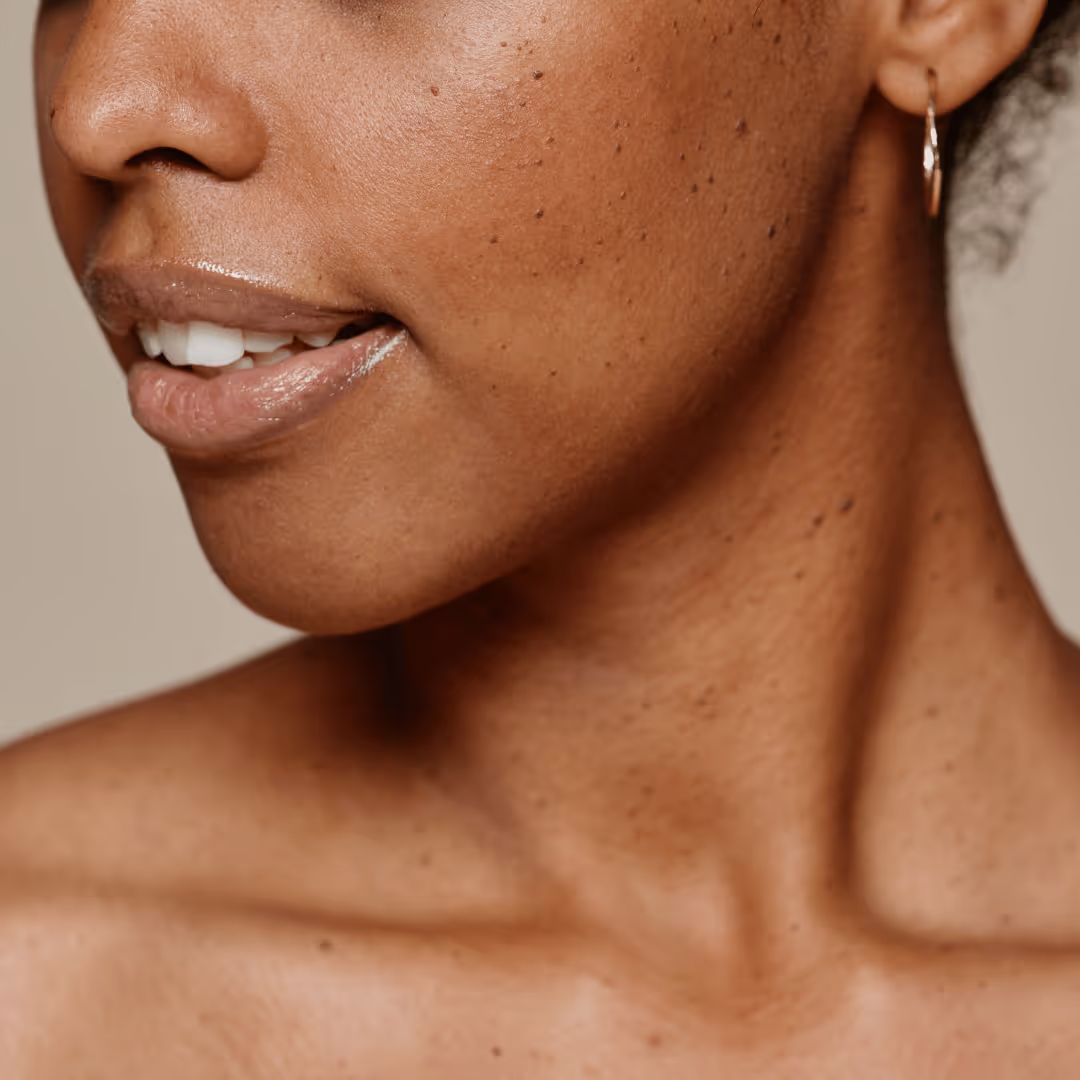
Textural irregularities in the skin are a common concern that can significantly impact the overall aesthetics of one's appearance. These imperfections, which include roughness, uneven tone, bumps, and enlarged pores, are often the result of a variety of factors. The primary cause is typically the natural ageing process, during which skin loses its elasticity and firmness due to the decrease in collagen and elastin production. Additionally, environmental factors such as prolonged exposure to the sun can lead to photoageing, which further exacerbates the roughness and uneven skin tone. Acne, too, plays a crucial role in the development of textural irregularities. Past acne can leave behind scars and uneven skin texture, which may remain long after the active breakouts have subsided.
Moreover, lifestyle choices such as smoking or an inadequate diet can contribute to poor skin health, thereby affecting its texture. Smoking, in particular, accelerates the ageing process of the skin by reducing blood flow to the skin surface, which deprives the skin cells of the necessary oxygen and nutrients they require for repair and regeneration. Similarly, a diet lacking in vital vitamins and antioxidants can impede the skin's natural ability to rejuvenate itself, leading to dullness and an uneven texture.
Hormonal changes are another contributing factor to textural irregularities. Fluctuations in hormones can trigger the overproduction of sebum, leading to oily skin and the development of acne, which, as previously mentioned, can result in scarring and unevenness. Additionally, certain medications, particularly those affecting hormone levels, can have side effects that manifest in the skin's texture.
One of the most popular treatments for addressing textural irregularities is microdermabrasion. This non-invasive procedure involves the mechanical exfoliation of the outermost layer of dead skin cells, promoting the regeneration of new skin cells and leading to smoother and more even-textured skin. Another effective treatment is chemical peels, which use a chemical solution to remove the damaged outer layers of the skin. Depending on the severity of the textural irregularities, different strengths of peels can be used to achieve deeper exfoliation.
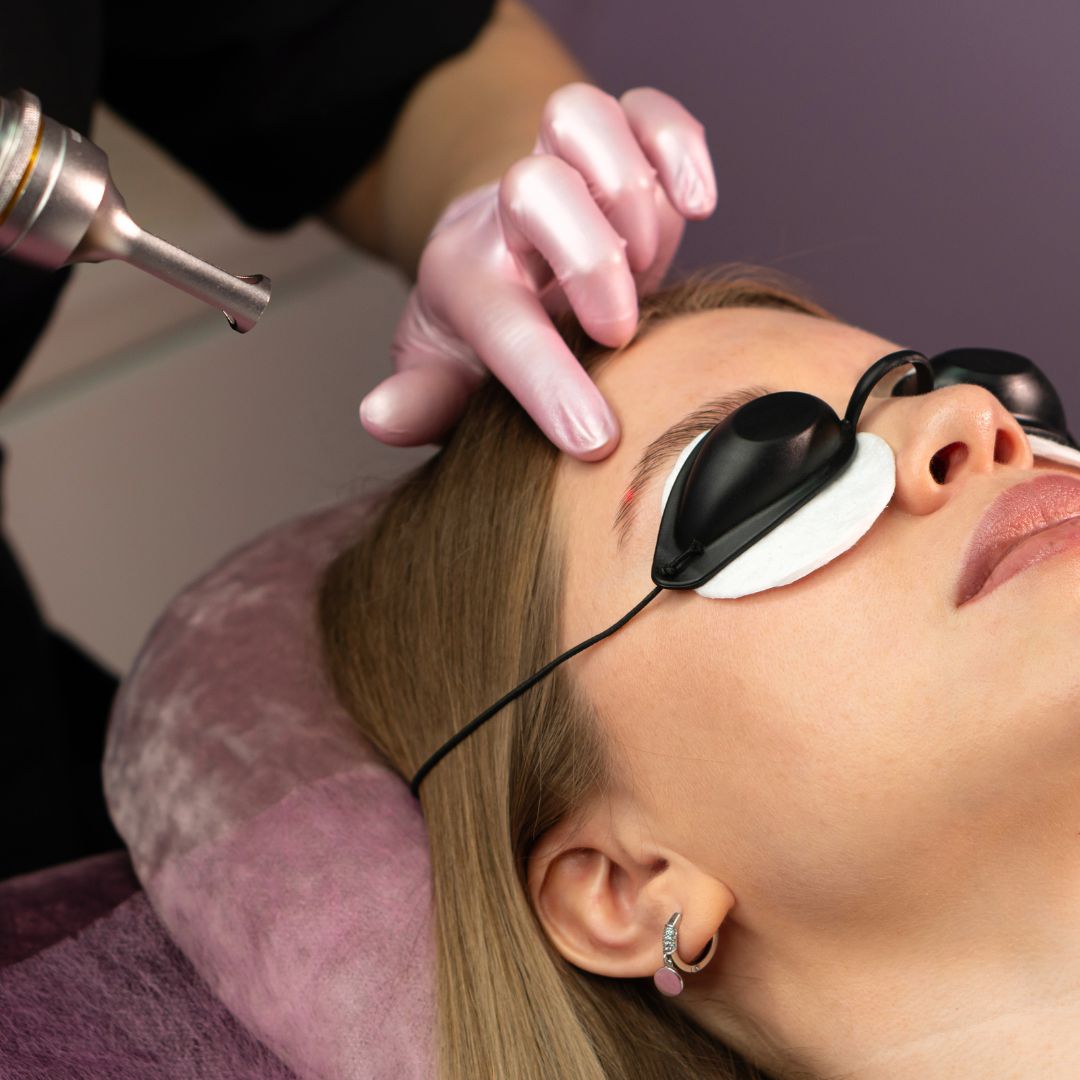
For more significant textural issues, such as deep acne scars, laser resurfacing can be an effective option. This treatment uses concentrated beams of light to remove damaged skin layer by layer, stimulating the growth of new skin cells. Additionally, advanced treatments such as microneedling, which involves creating micro-injuries on the skin surface to induce collagen production, can also be beneficial.
The use of dermal fillers and injectables can complement these treatments by filling in depressions and smoothing out the skin's surface. These products are particularly effective in dealing with scars and deep wrinkles, providing immediate results and further enhancing the skin’s texture.
Our approach to treating textural irregularities is comprehensive. We begin with a thorough consultation to assess the skin's condition and discuss the client's aesthetic goals. Following this, a customised treatment plan is developed, utilising one or more of our advanced treatments to achieve the best possible results. We understand the importance of not only improving the skin's appearance but also ensuring its health and vitality in the long term.





%20(1).avif)