Sun damage, or photoaging, represents one of the most prevalent skin concerns faced by individuals globally. Characterised by the premature ageing of the skin due to prolonged and unprotected exposure to ultraviolet (UV) rays, this condition manifests in various forms. The effects of UV radiation are cumulative, subtly altering the skin’s structure over years, even decades, leading to noticeable changes that can significantly affect an individual's appearance and skin health.
The most common symptoms of sun damage include fine lines and wrinkles, which typically appear on sun-exposed areas such as the face, neck, and hands. These are primarily caused by the breakdown of collagen and elastin fibres in the skin. Collagen and elastin are crucial components of the skin's support network, providing firmness and flexibility. As UV rays penetrate the skin, they induce oxidative stress and generate free radicals, which in turn accelerate the degradation of these vital proteins. Over time, this results in the loss of skin elasticity and firmness, paving the way for the development of wrinkles and sagging skin.
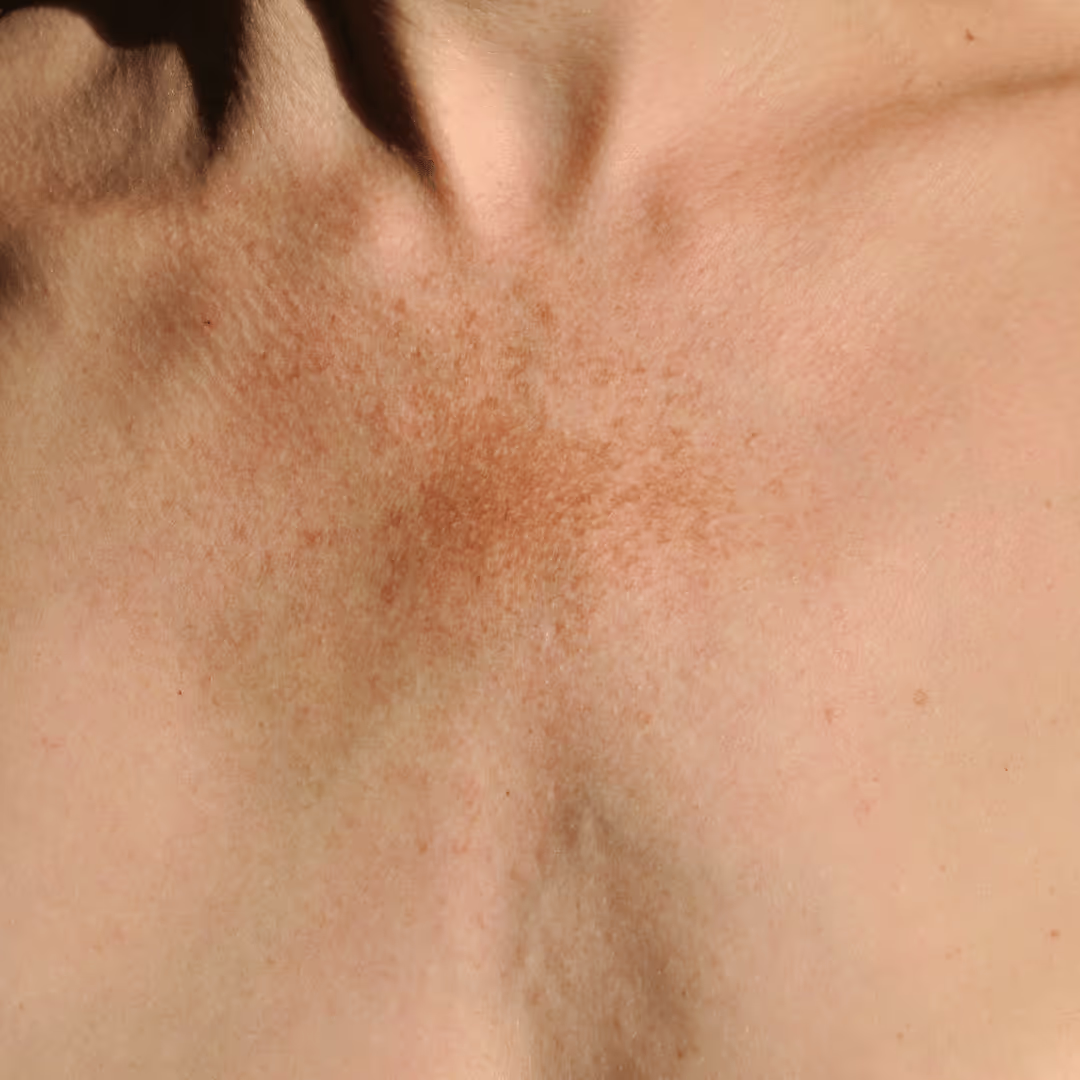
Another hallmark of sun damage is changes in skin texture and colour. Individuals may notice their skin becoming rougher, drier, and more leathery with increased sun exposure. Additionally, sun damage often leads to the formation of hyperpigmentation, such as age spots, sun spots, and freckles. These darker patches or spots result from the overproduction of melanin, which is the skin's natural pigment responsible for its colour. While melanin is meant to protect the deeper layers of the skin from UV damage by absorbing the sun's harmful rays, excessive sun exposure can disrupt this process, leading to uneven skin tones and blotchiness.
Moreover, sun damage can increase the risk of developing actinic keratosis, which appears as rough, scaly patches on the skin. These lesions are considered precancerous and can potentially evolve into skin cancer if left untreated. This underscores the importance of not only addressing cosmetic concerns associated with sun damage but also recognising and managing its potential health risks.
The effects of sun damage are not merely superficial. UV radiation can alter the very DNA of skin cells, leading to mutations that increase the risk of skin cancer, including basal cell carcinoma, squamous cell carcinoma, and malignant melanoma. These types of skin cancer are directly linked to sun exposure, highlighting the critical need for effective sun protection as part of a comprehensive skin care regimen.
Prevention is undoubtedly the most effective strategy against sun damage. Regular use of broad-spectrum sunscreen, which protects against both UVA and UVB rays, is essential. It is recommended to apply sunscreen with a Sun Protection Factor (SPF) of at least 30, reapplying every two hours or immediately after swimming or sweating. Protective clothing, wide-brimmed hats, and sunglasses also play a pivotal role in shielding the skin from UV rays.
For those already experiencing signs of sun damage, there are several treatment options available that can help reverse some of the visible effects and improve skin health. Topical retinoids, derived from vitamin A, are widely prescribed to treat photoaged skin. They work by promoting cell turnover and stimulating collagen production, which can help reduce the appearance of fine lines and improve skin texture. Chemical peels, which involve the application of a chemical solution to remove the outer layers of the skin, can also be effective in treating hyperpigmentation and improving overall skin tone.
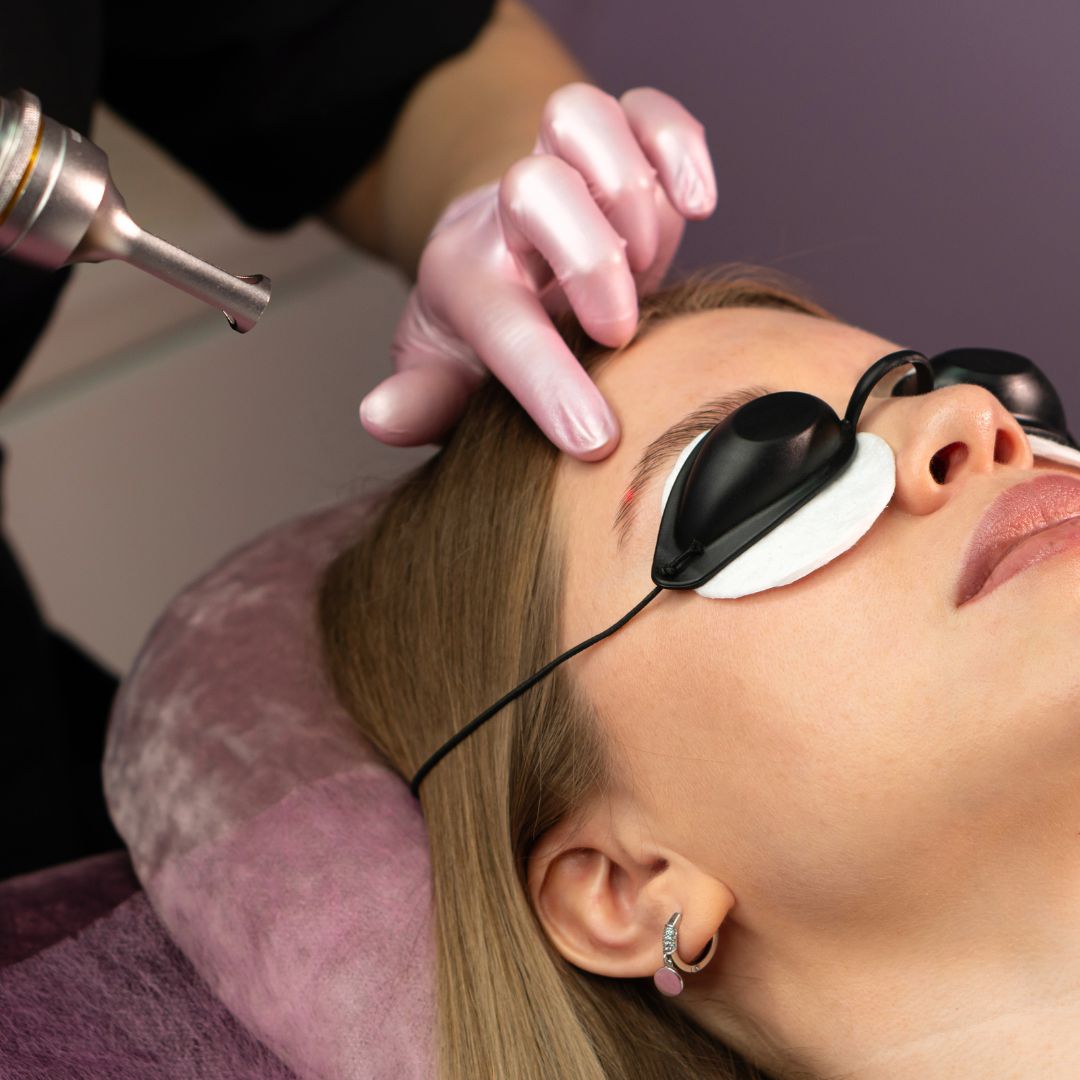
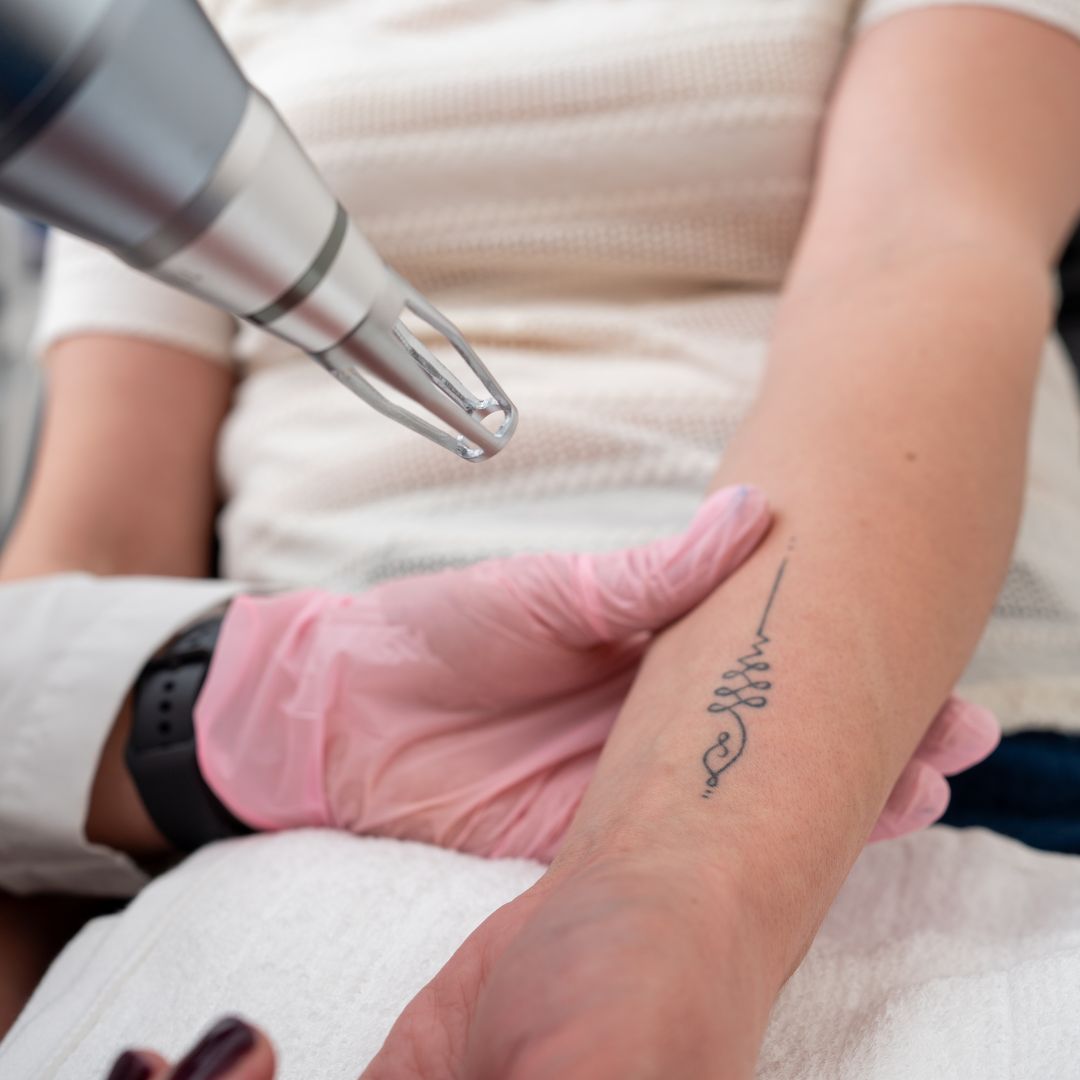
Laser treatments and intense pulsed light (IPL) therapies are other popular methods for addressing sun damage. These treatments target the deeper layers of the skin, encouraging regeneration and correcting pigment issues. Lasers are particularly effective in reducing the appearance of wrinkles and fine lines by resurfacing the skin and promoting new collagen formation.
Moreover, antioxidant-rich products can help mitigate some of the oxidative stress caused by UV exposure. Ingredients such as vitamin C, vitamin E, and ferulic acid not only help to brighten the skin but also protect against future damage by neutralising free radicals. Incorporating such antioxidants into daily skincare routines can significantly enhance the skin's resilience against environmental aggressors.





%20(1).avif)