Hair loss is a common condition that impacts both men and women across various age groups. While the loss of hair is primarily perceived as a cosmetic issue, the underlying causes are numerous and can be deeply rooted in biological, environmental, and even psychological factors. As such, understanding hair loss necessitates a comprehensive approach that encompasses both medical insight and empathetic patient care.
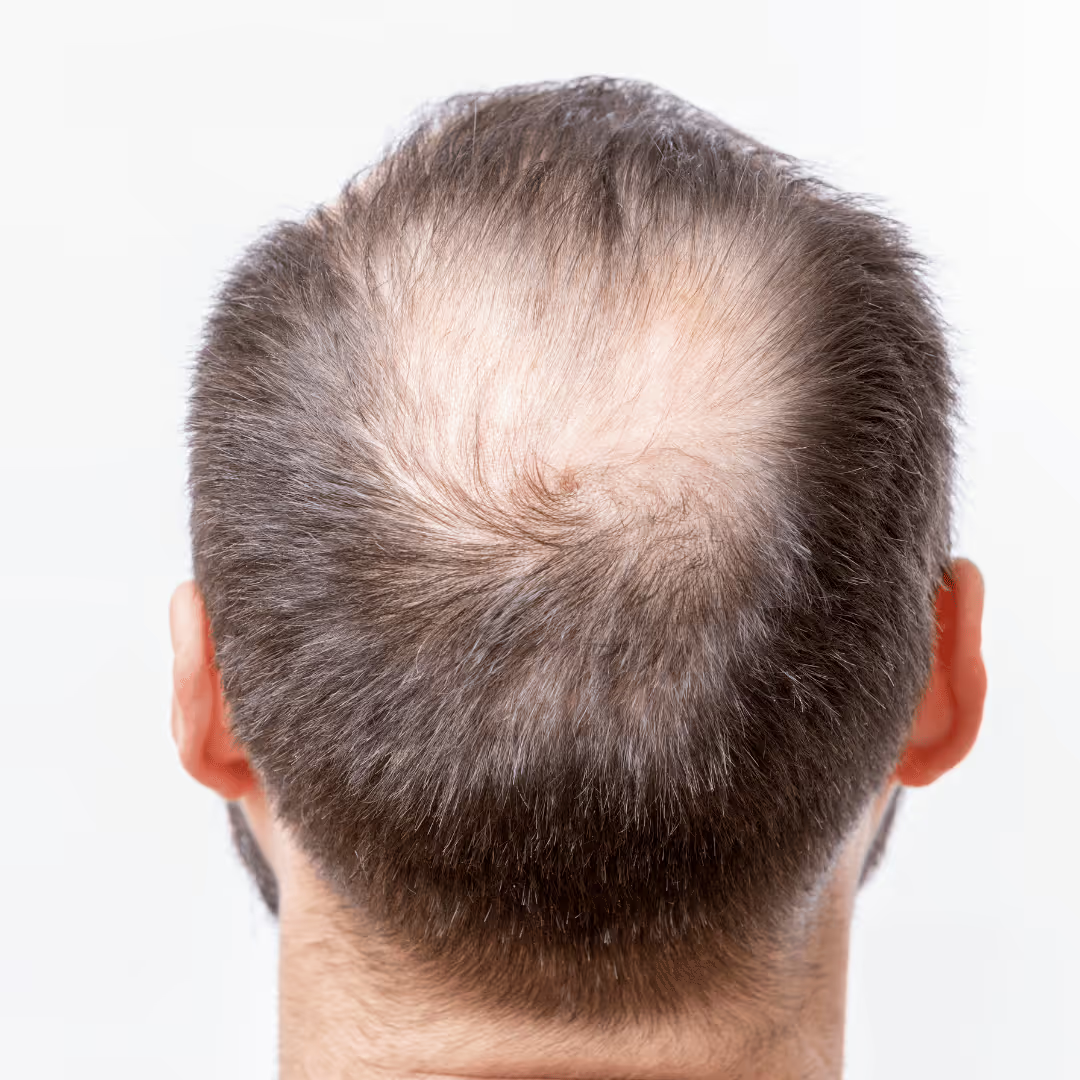
The hair growth cycle is a delicate balance of phases: growth (anagen), cessation (catagen), and rest (telogen). Disruption in these phases can lead to noticeable hair loss. The most prevalent form of hair loss is androgenetic alopecia, also known as male or female pattern baldness, which is genetically determined and influenced by hormonal levels. In men, it typically presents as a receding hairline and bald patches, whereas in women, it is more likely to cause overall thinning without complete baldness.
Aside from genetic predisposition, several other factors contribute to hair loss. Medical conditions such as thyroid disorders, autoimmune diseases like alopecia areata, and skin conditions such as psoriasis and dermatitis can cause temporary or permanent hair loss. Furthermore, nutritional deficiencies—particularly in iron, zinc, and vitamins B12 and D—play a significant role. The body’s ability to produce healthy hair follicles relies heavily on adequate nutrition, and any imbalance can disrupt this process.
Psychological stress is another significant trigger. Telogen effluvium, for instance, is a condition where stress pushes large numbers of hair follicles into a resting phase, followed by shedding. Often occurring after pregnancy, major surgery, drastic weight loss, or severe stress, the hair loss typically becomes noticeable after about three months. The good news is that this type of hair loss is often reversible, with hair returning to its normal fullness after the stressor has passed or been managed.
Medications can also lead to hair loss as a side effect. Drugs used for cancer chemotherapy are well-known for causing hair loss—chemotherapy targets all rapidly dividing cells, and hair follicles are among the fastest-growing cells in the body. Other medications that can cause hair loss include blood thinners, certain types of birth control, and medications for high blood pressure.
Lifestyle factors such as smoking have a detrimental effect on the microcirculation of the scalp, exacerbating genetic hair loss and ageing of the hair follicle. Environmental factors, including UV exposure and pollutants, can also weaken the hair shafts and follicles, leading to hair loss.
For those dealing with androgenetic alopecia, treatments might include topical applications such as minoxidil, which is available for both men and women. Advanced treatments such as platelet-rich plasma (PRP) therapy have shown promising results in stimulating hair growth. Low-level laser therapy (LLLT) is another innovative approach.







%20(1).avif)