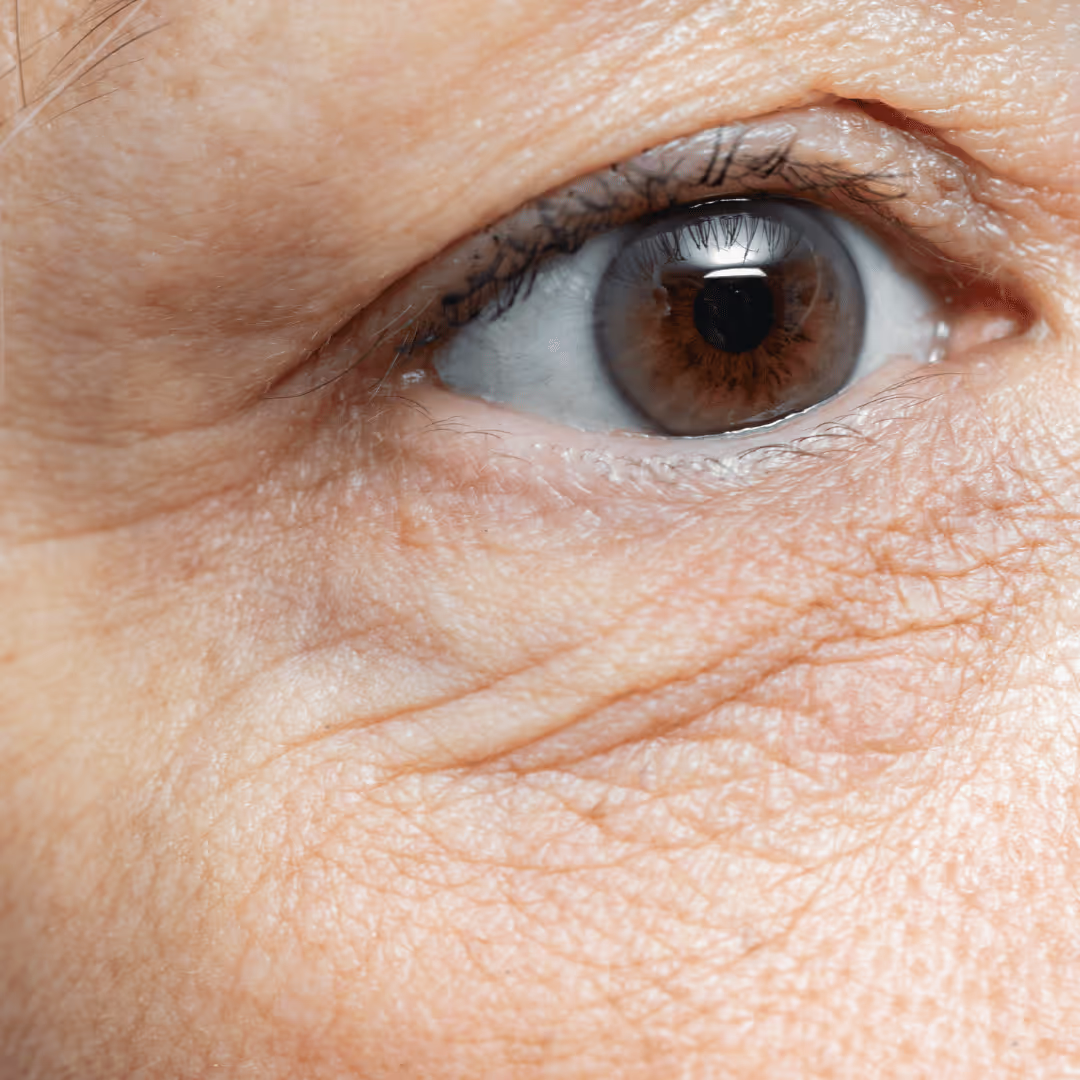
Crow's feet, the small lines and wrinkles that appear around the outer corners of the eyes, are often one of the first signs of ageing that many individuals notice as they mature. These fine lines fan out from the corners of the eyes towards the temples, resembling the foot of a crow, which is how they've earned their name. While they are commonly associated with skin ageing, they also frequently occur due to repetitive facial expressions, such as smiling, squinting, or laughing.
Typically, the skin around our eyes is thinner and more delicate compared to other parts of the face. This area lacks significant amounts of collagen and elastin, which are crucial for maintaining skin's elasticity and firmness. As we age, the natural production of collagen and elastin in our bodies diminishes, which results in the gradual loss of skin elasticity and the deepening of these lines. Additionally, the orbital area has fewer sebaceous glands, which means it has less natural moisture, making it more prone to the formation of fine lines.
Exposure to sunlight significantly contributes to the development of crow's feet, as UV rays can break down collagen and elastin fibres at a faster rate. This process, known as photoageing, accelerates the ageing effects on the skin. Furthermore, lifestyle factors such as smoking, poor diet, and lack of sleep can exacerbate the appearance of these wrinkles. Smoking, in particular, introduces toxins into the body that can lead to the breakdown of the skin’s structural components, speeding up the ageing process.
The expression lines that turn into crow's feet are due to the orbicularis oculi muscle, which encircles the eye socket, contracting during facial expressions. Over time, as the skin loses its elasticity, it no longer springs back to its original state after each expression. Instead, it begins to form permanent creases where the skin has been folded repeatedly. These lines can become more pronounced and deeper as one ages, eventually becoming a noticeable feature even when the face is at rest.
While crow's feet are a natural part of ageing, many individuals seek treatments to diminish their appearance for a more youthful look. At Bavary Clinic, we understand that while the formation of these lines is a natural process, the desire to soften their appearance is equally natural. Our clinic offers a variety of treatments that address not just the symptoms of crow's feet but also their underlying causes.
One of the most popular treatments for crow's feet is the use of botulinum toxin injections, commonly known as Botox. These injections temporarily relax the muscles around the eyes, significantly reducing the appearance of crow's feet by preventing the repetitive folding of skin caused by facial expressions. The results are a smoother, more refreshed appearance around the eyes.
Another effective treatment option is the use of dermal fillers. These fillers are injected beneath the surface of the skin to fill in and smooth out the lines. The fillers not only reduce the appearance of wrinkles but also help in promoting the production of collagen, giving the skin a more supple and youthful appearance over time.
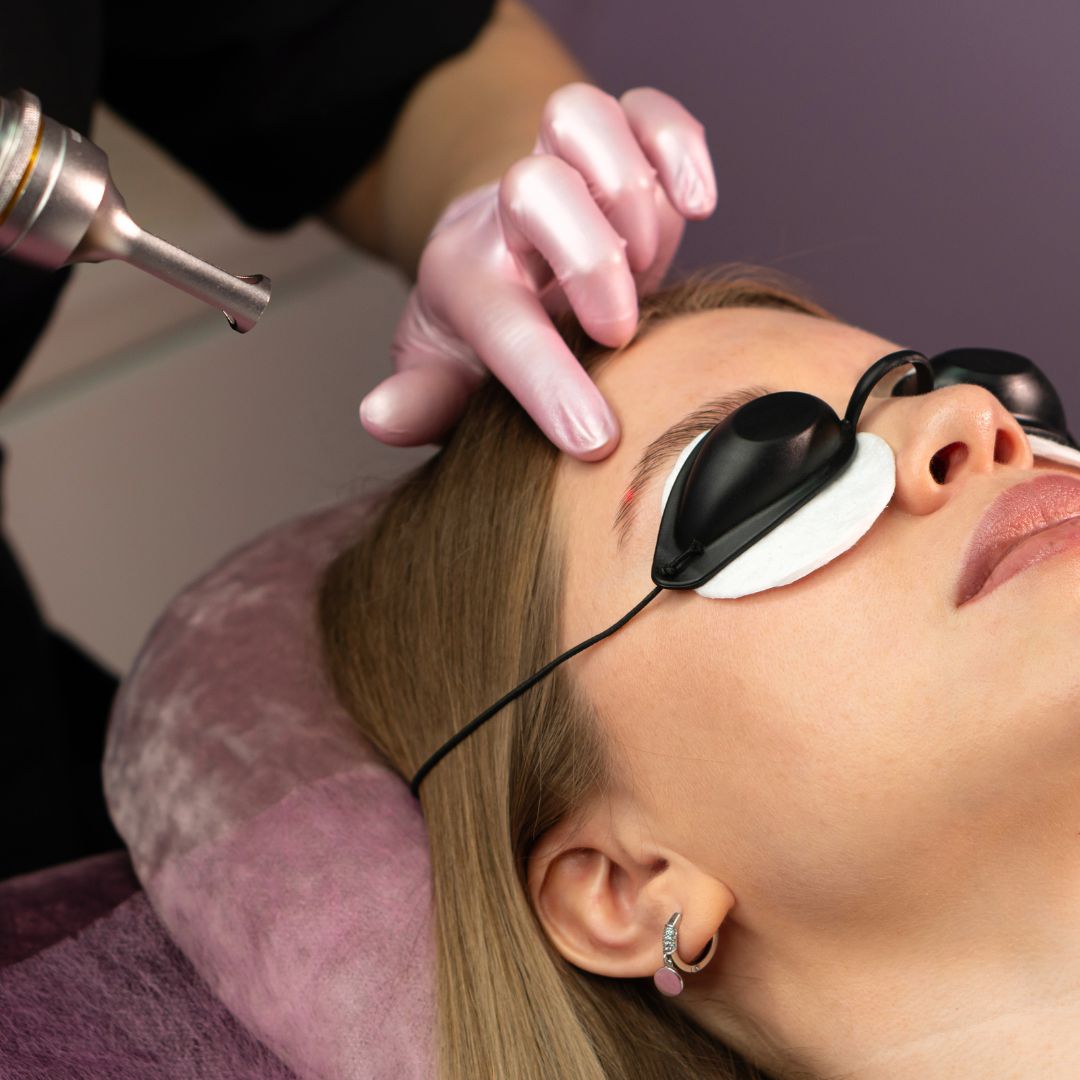
Laser resurfacing treatments are also utilised to treat crow's feet by removing the outer layers of the skin that are damaged and by stimulating the growth of new, healthier skin. This procedure can dramatically improve skin texture and firmness, reducing the visibility of fine lines and wrinkles.
For those looking for non-invasive options, Bavary Clinic offers a range of topical treatments and creams that contain powerful anti-ageing ingredients like retinoids, peptides, and antioxidants. These products can help to improve skin texture and elasticity, reducing the appearance of crow's feet over time.





%20(1).avif)