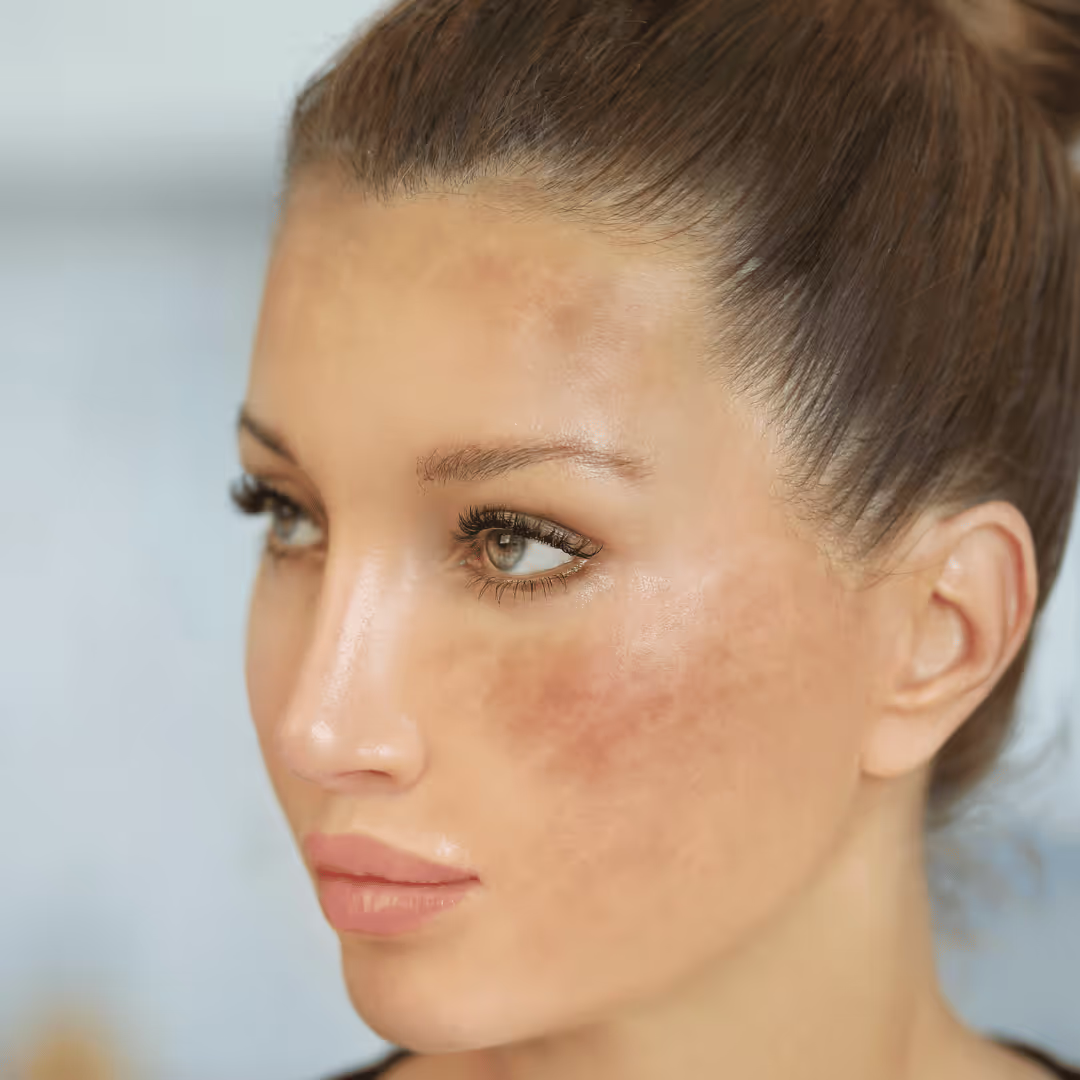
Age spots, also known as liver spots or solar lentigines, are flat, brown, grey, or black spots that typically appear on the skin. These spots vary in size and usually occur on areas exposed to the sun, such as the face, hands, shoulders, and arms. Age spots are most common in adults over 50, but younger people can get them too, especially if they spend a lot of time in the sun. Although these spots are primarily a cosmetic concern, their presence can cause distress to those who are conscious of their skin's appearance.
The development of age spots is primarily attributed to prolonged exposure to ultraviolet (UV) light, either from sunlight or artificial sources like tanning beds. The UV light accelerates the production of melanin, the pigment that gives skin its colour. These spots occur when excess melanin becomes clumped or is produced in high concentrations over certain areas of the skin. Genetics may also play a role, as some people are more predisposed to developing these spots than others.
It's important to note that age spots are not dangerous. They are benign and do not require medical treatment. However, because they can look similar to skin cancers, it is wise to consult a healthcare professional if a spot changes in appearance, size, or colour, or becomes itchy or tender. This ensures that any potentially serious conditions are diagnosed and treated early.
Many people seek treatment for age spots for cosmetic reasons. There are several methods available to lighten or reduce the appearance of these spots, offering a range of choices depending on the severity and personal preferences. Topical creams, predominantly those containing hydroquinone, glycolic acid, or retinoids, can be effective in lightening age spots when used consistently over several months. These creams work by slowing the production of melanin, thereby reducing the pigment in the skin.
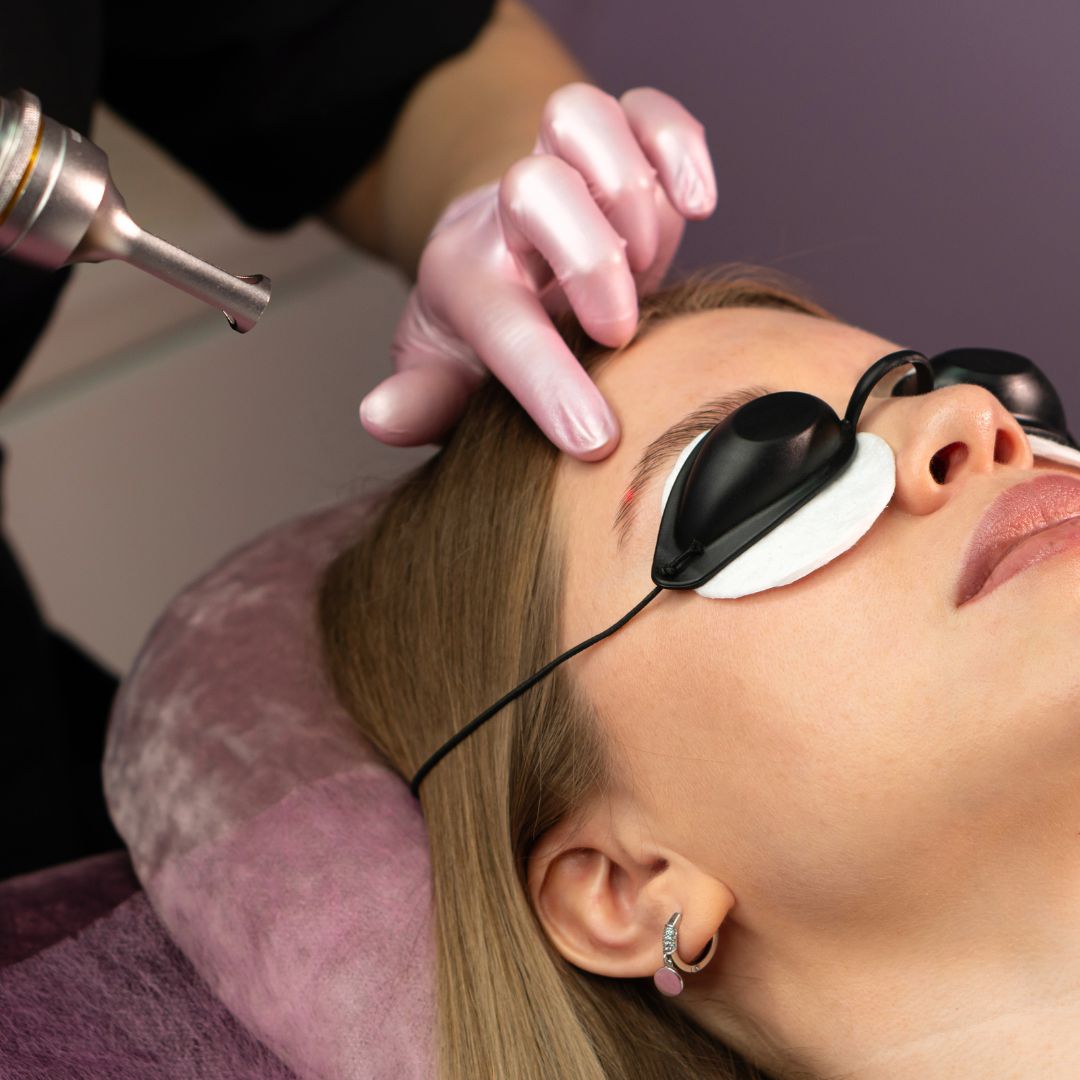
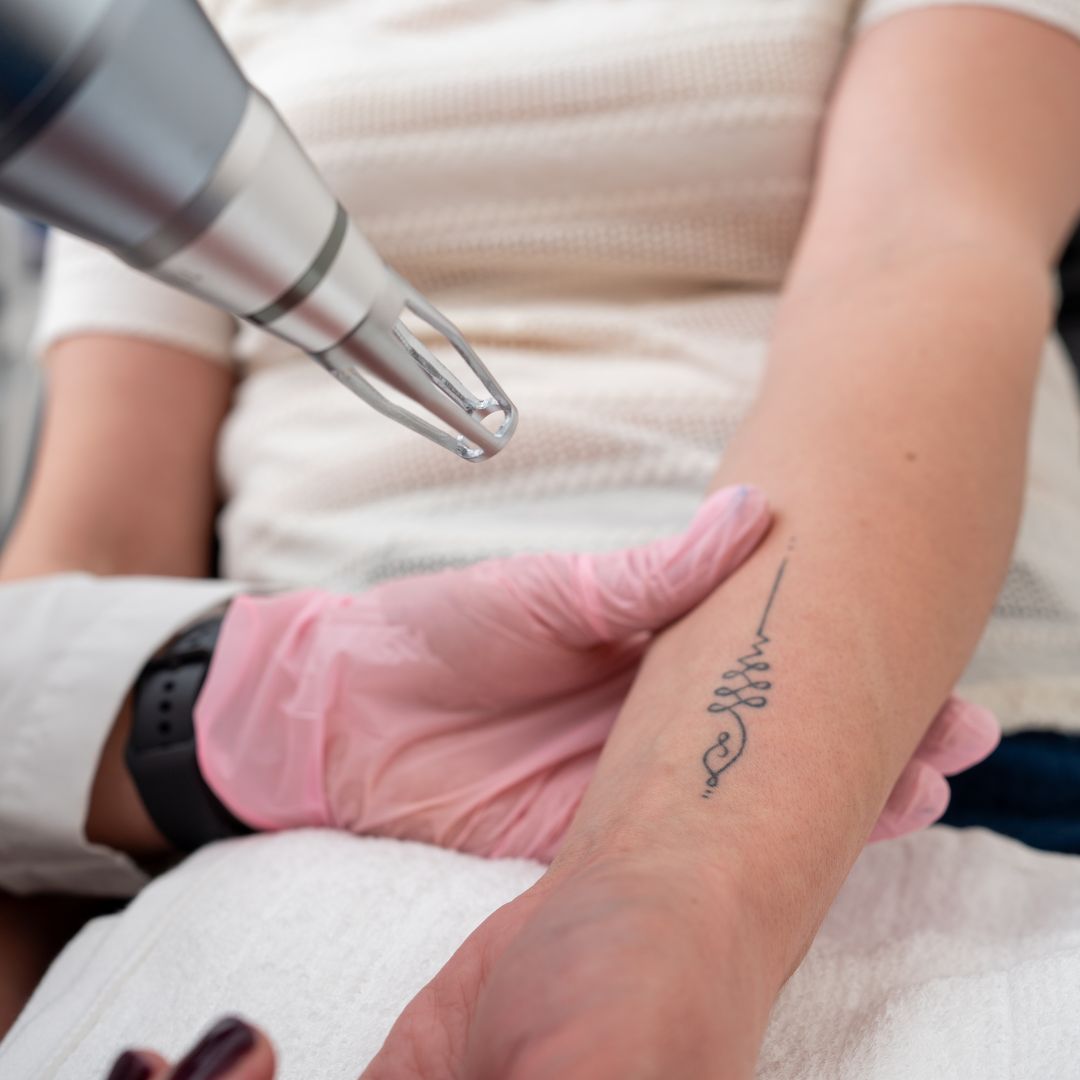
For those looking for more immediate or dramatic results, professional treatments are available. Chemical peels, which involve the application of an acid solution to remove the outer layer of old skin, accelerate the regeneration of new skin, potentially reducing the appearance of age spots. Another option is laser therapy, which targets melanin to break down the dark spots without harming the surrounding skin. Intense Pulsed Light (IPL) therapy is a similar procedure that uses light energy to target and disperse the pigment causing the discolouration.
Microdermabrasion is another technique used to treat age spots. This procedure involves a specialised device that sands the outer layer of skin, promoting the growth of new, more evenly pigmented skin. While this method is generally less invasive than some other treatments, multiple sessions are often required for optimal results.
There are preventive measures that can help minimise the development of new age spots. Protecting the skin from further sun exposure is essential. This can be achieved by wearing sunscreen with a high SPF rating, seeking shade during peak sun hours, and wearing protective clothing such as hats and long sleeves. Regular use of sunscreen can not only help prevent new age spots but can also prevent existing spots from darkening.
Another aspect of prevention is overall skin care. Maintaining a healthy skin routine that includes the use of products that protect against UV damage and enhance skin health can be beneficial. Antioxidants, for instance, can protect the skin from free radicals and sun damage. Products containing vitamin C, vitamin E, and beta-carotene have properties that may help maintain skin health and prevent the formation of new age spots.





%20(1).avif)