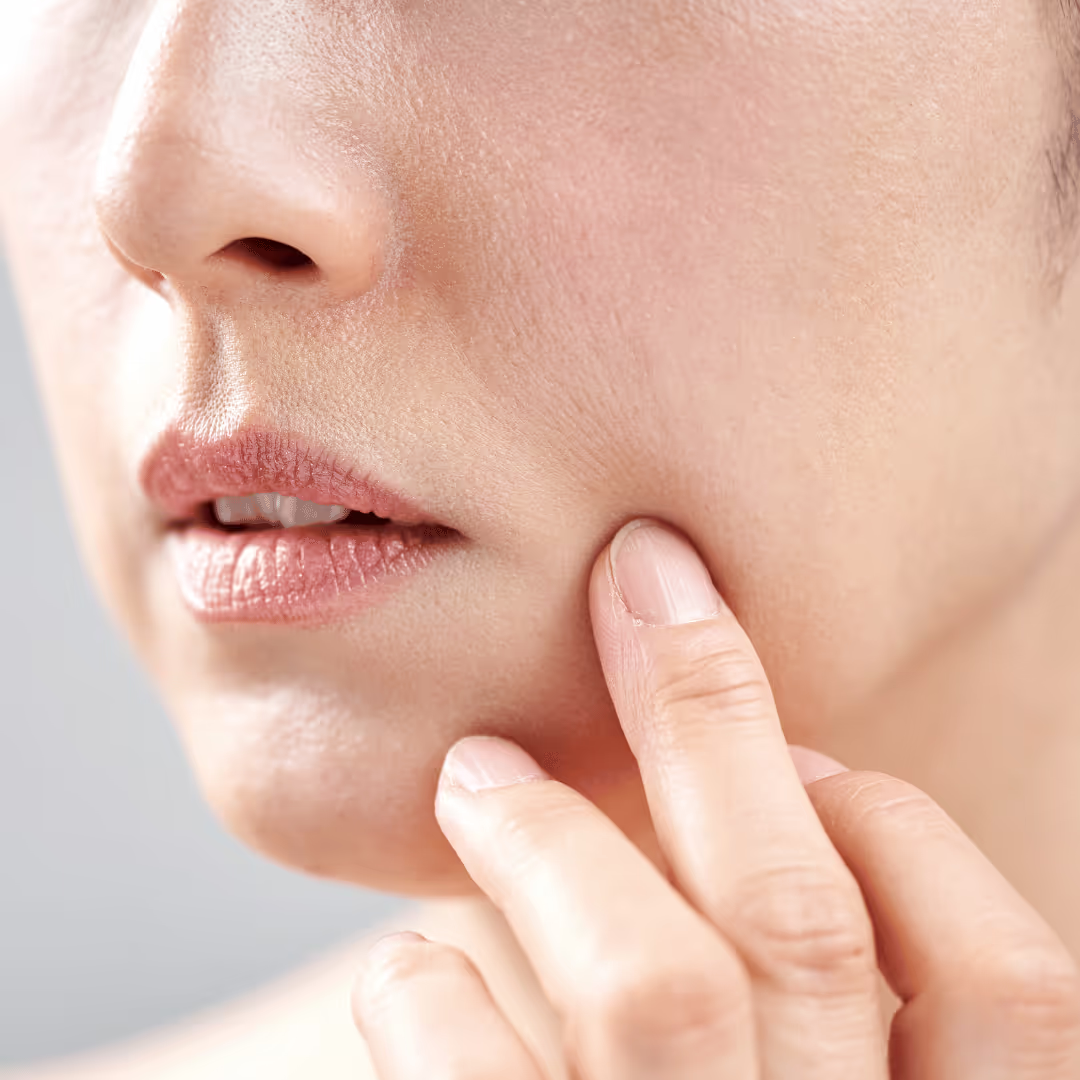
Marionette lines are the facial creases that extend from the corners of the mouth towards the chin, named after the strings of a marionette puppet, as they mimic the lines that would articulate a puppet's mouth. These lines often become more pronounced with age and can give the face a sad or permanently downturned appearance. The development of marionette lines is primarily attributed to the natural ageing process. As we grow older, our skin loses collagen and elastin, the proteins responsible for its firmness and elasticity. This loss, combined with the diminishing volume in facial fat, leads to sagging skin and the formation of various facial lines and wrinkles.
Another contributing factor is repeated facial expressions. Just as repeated smiling or frowning contributes to lines around the eyes and mouth, the muscle movements associated with talking, chewing, or emoting can eventually deepen these creases over time. Environmental factors such as exposure to UV radiation, smoking, and pollution can accelerate the breakdown of collagen and elastin, further exacerbating the appearance of marionette lines. Furthermore, genetics also play a role, as some individuals are more predisposed to develop these lines earlier or more prominently due to inherited traits in skin texture and structure.
For those who find marionette lines to be a cosmetic concern, there are several modern treatments available that can help to soften or even erase these lines, restoring a more youthful and vibrant appearance to the face. Injectable dermal fillers are among the most popular treatments for marionette lines. These fillers, typically made from substances such as hyaluronic acid, are injected directly into the skin around the lines. Hyaluronic acid is a naturally occurring substance in the skin that provides volume and hydration. When used as a filler, it can plump up the area, lifting the skin and reducing the appearance of the lines. The results from dermal fillers are temporary but can last from six months to two years depending on the product used and the individual’s skin type and lifestyle.
Another treatment option is botulinum toxin injections, commonly known as Botox. While primarily used to treat lines and wrinkles caused by muscle activity, such as crow’s feet or forehead lines, Botox can also be used to relax the muscles near the marionette lines. This relaxation can help to reduce the downward pull at the corners of the mouth, thus softening the appearance of the lines. Botox results typically last three to four months, after which the treatment can be repeated.
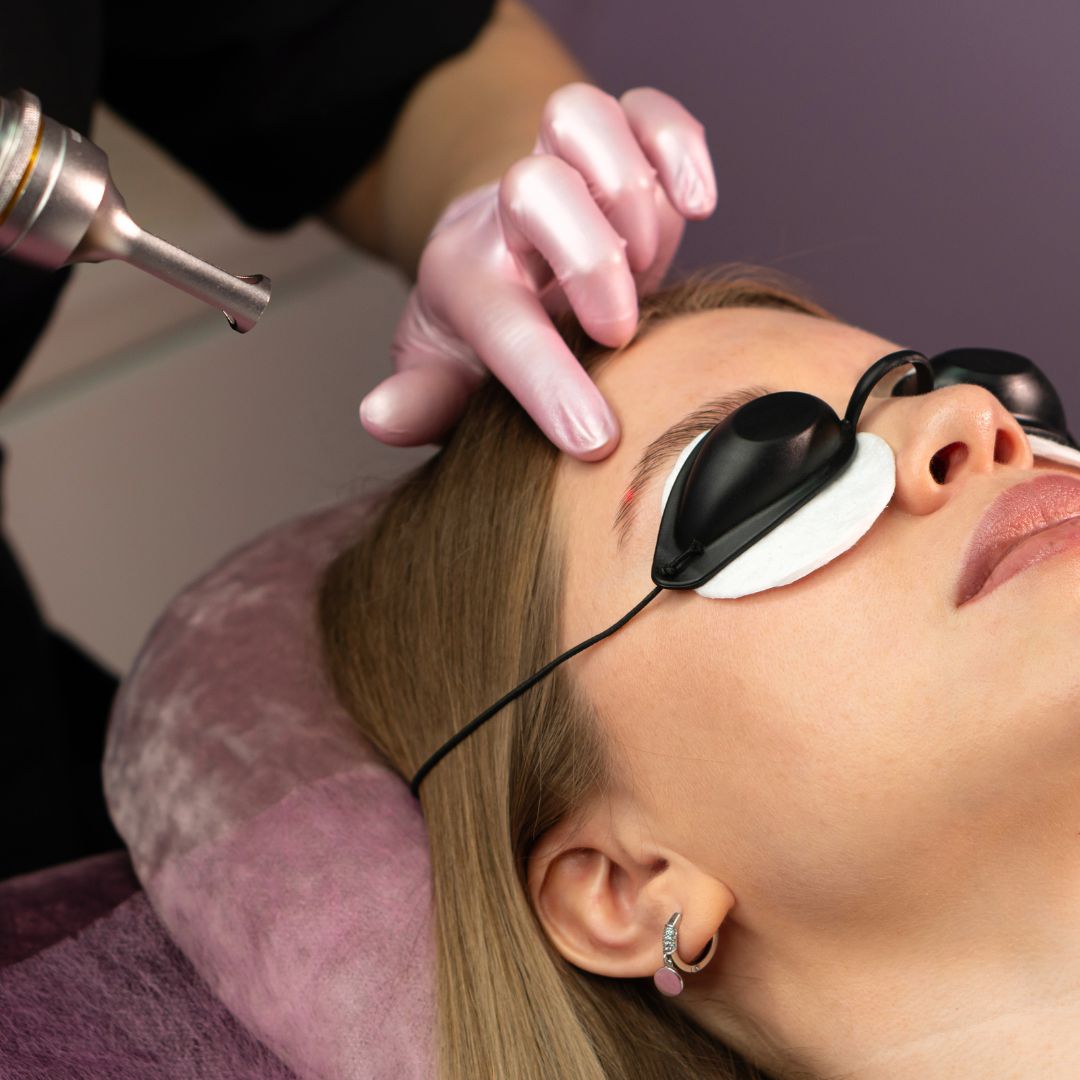
Laser resurfacing is another effective technique for reducing marionette lines. This procedure involves using a laser to remove the outer layers of skin, which encourages the growth of new, more youthful-looking skin during the healing process. Laser resurfacing can also stimulate the production of new collagen, which helps to firm up the skin and reduce sagging and wrinkling. The results can be quite dramatic, but the recovery period may be longer than with injectables, and there may be more potential side effects, such as redness, swelling, and a risk of scarring.
Chemical peels are another option for treating marionette lines, involving the application of a chemical solution to the skin that causes the top layers to peel off. This promotes the growth of new, smoother skin and can also enhance collagen production. Peels range in intensity from light, which requires no downtime, to deep, which may require a recovery period of a few weeks. The right type of peel depends on the individual’s skin type and the severity of the lines.
Microneedling, which involves using a device covered with tiny, shallow needles to puncture the skin, promotes the skin's healing process and stimulates collagen production. This can help to firm up the skin and reduce the appearance of lines. Microneedling is usually combined with topical treatments that penetrate deeper into the skin due to the tiny punctures, enhancing their effectiveness.
For individuals looking for a non-surgical approach to address marionette lines, these treatments offer viable options. Each method comes with its own set of benefits, risks, and recovery times, so it is essential for those considering treatment to consult with a qualified aesthetic practitioner. This professional can assess the individual’s skin type, the severity of the lines, and personal health history to recommend the most appropriate treatment plan.





%20(1).avif)