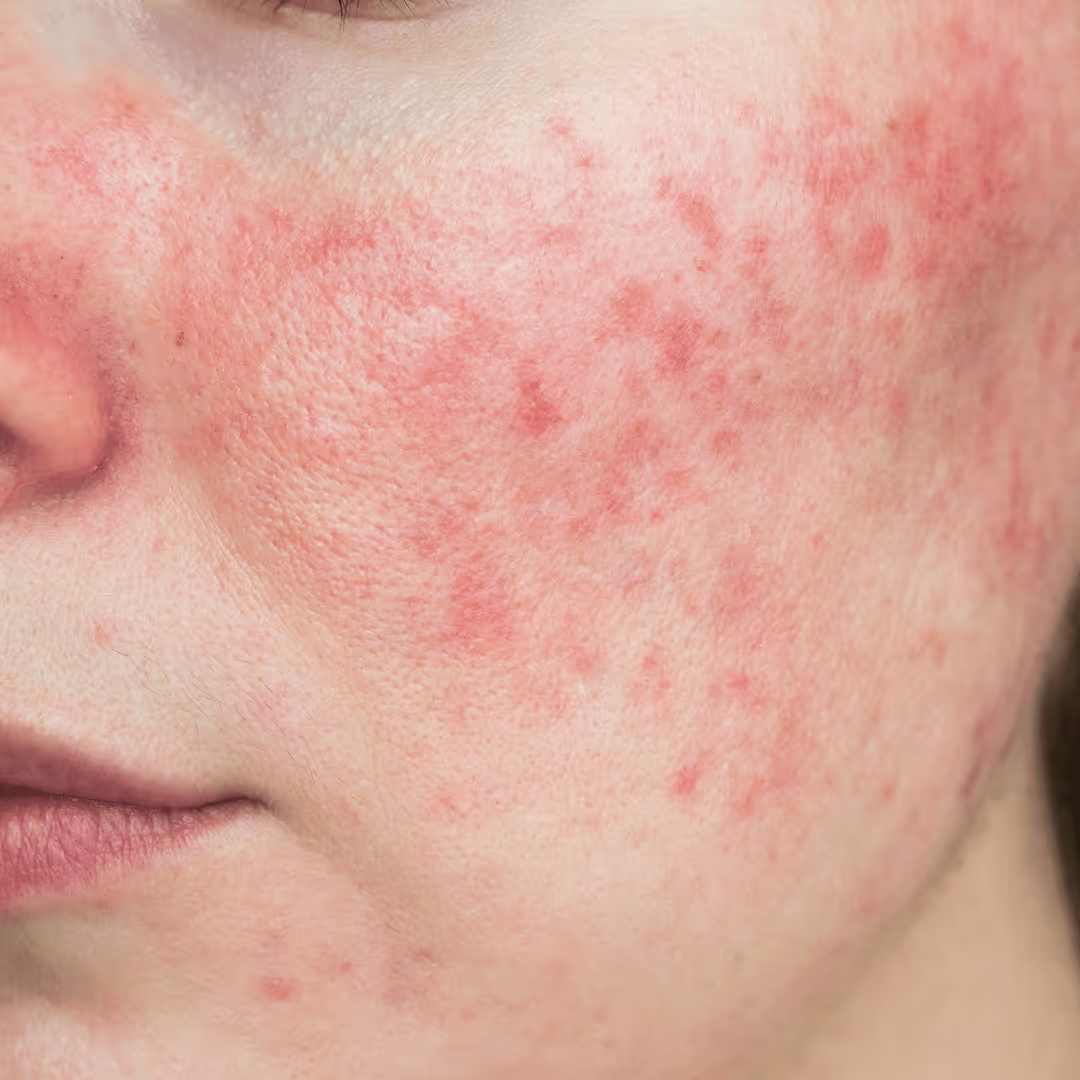
Rosacea is a common but often misunderstood skin condition that primarily affects the face. Characterised by episodes of flushing, persistent redness, visible blood vessels, and sometimes small, red, pus-filled bumps, rosacea can cause significant emotional and psychological distress to those afflicted. Although the precise cause of rosacea remains unknown, it is believed to involve a combination of hereditary and environmental factors.
The condition typically begins as episodes of flushing, where the skin turns red for a short period, often triggered by factors such as heat, exercise, or stress. Over time, these episodes may lead to a persistent redness in the centre of the face, particularly on the nose, cheeks, forehead, and chin. For many, the visibility of small blood vessels on the skin's surface—telangiectasia—can become prominent. In more severe cases, rosacea may also present as rhinophyma, a thickening of the skin on the nose, or ocular rosacea, affecting the eyes and eyelids and leading to irritation and redness.
The symptoms of rosacea can vary widely among individuals, making it a particularly challenging condition to manage. For some, the condition is merely a cosmetic annoyance, but for others, it can lead to painful and debilitating inflammation. Additionally, various environmental factors can exacerbate rosacea, including exposure to sunlight, hot or cold weather, certain skincare products, spicy foods, alcohol, and emotional stress.
Despite its visibility, the psychological impact of rosacea is profound and often underappreciated. Individuals with rosacea may experience a significant impact on their self-esteem and social life, often feeling embarrassed or anxious about their appearance. The unpredictable nature of flare-ups can make social engagements and professional interactions particularly stressful, leading to a withdrawal from social activities and a decreased quality of life.
Management of rosacea focuses on identifying and avoiding personal triggers and using appropriate skincare and medical treatments. A gentle skincare routine is essential for managing rosacea. This includes using mild, non-abrasive cleansers, avoiding alcohol-based toners, and applying non-irritating moisturisers and sunscreens. It is crucial for individuals with rosacea to protect their skin from sun exposure, as UV radiation can significantly worsen symptoms.
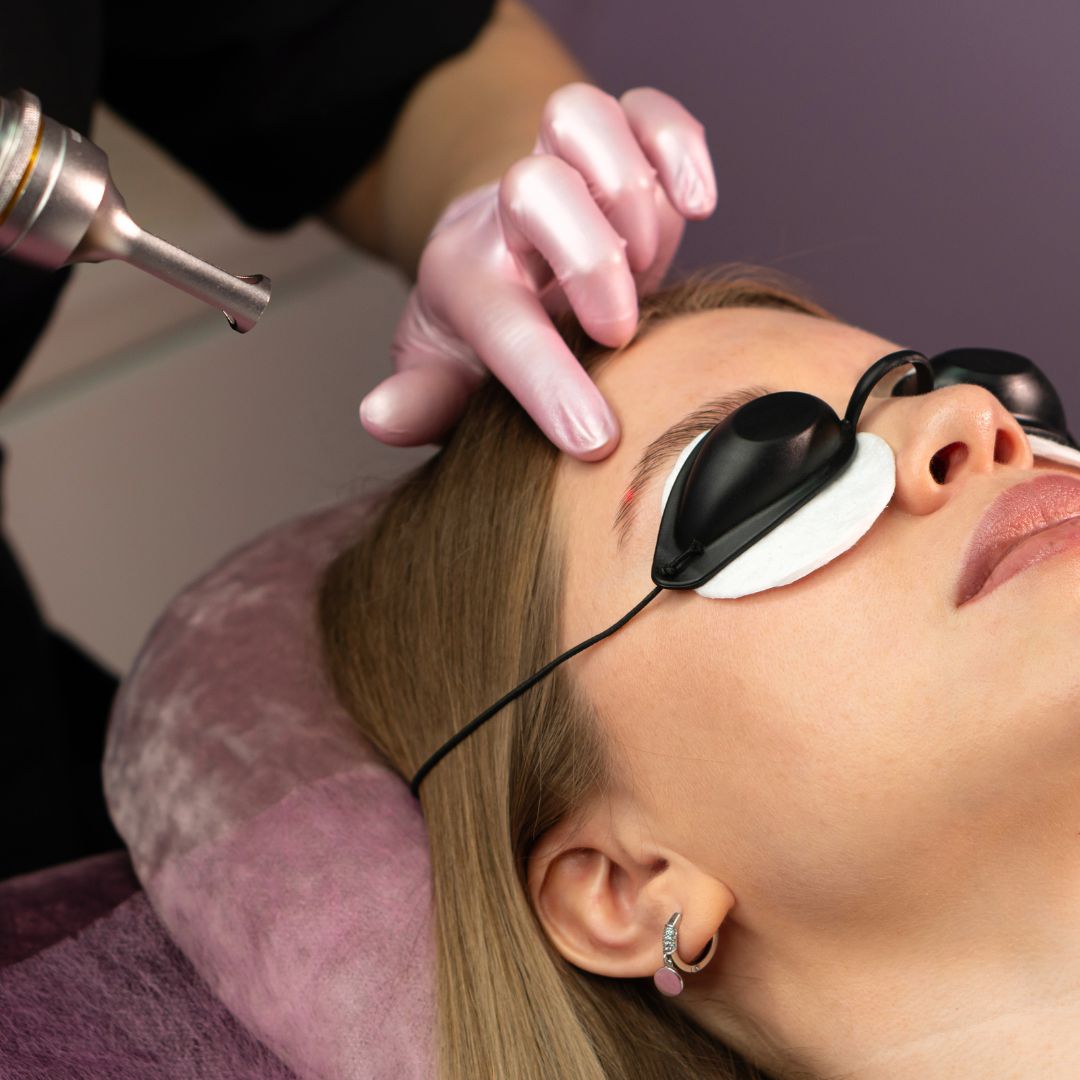
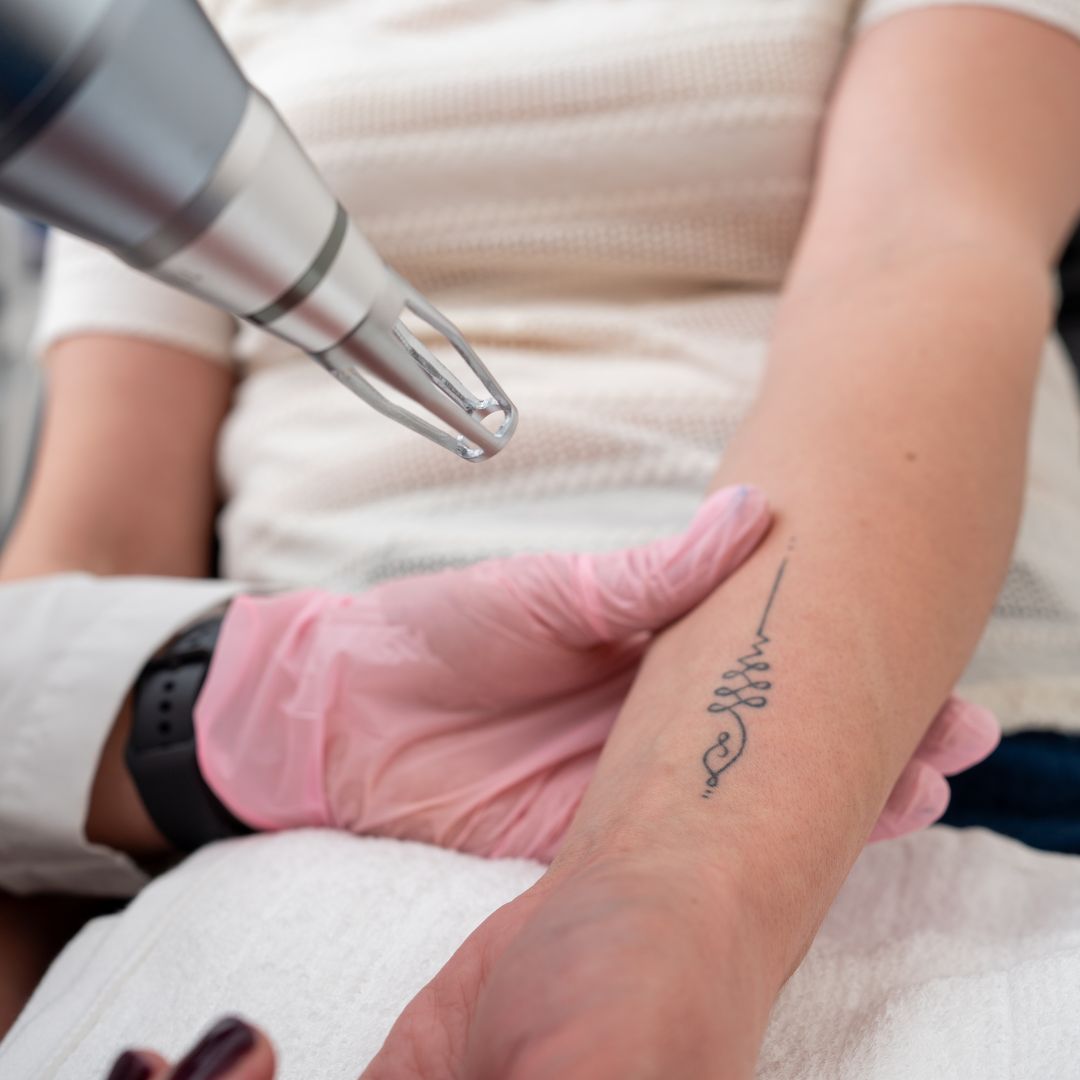
Medical treatment for rosacea may include topical treatments to reduce inflammation and redness, oral antibiotics for their anti-inflammatory properties, and in some cases, isotretinoin for severe or treatment-resistant cases. Laser and light therapies have also proven effective in reducing the visibility of blood vessels and persistent redness. These treatments, however, require careful management by experienced professionals to avoid exacerbating the condition.
We offer a range of treatments tailored to the specific needs and symptoms of each individual. Our state-of-the-art therapies include both medical and laser treatments, designed to minimise the visible symptoms of rosacea and improve skin health over the long term.





%20(1).avif)