Alopecia, commonly referred to as hair loss, is a condition that affects millions of people worldwide, manifesting in various forms and degrees of severity. This condition can be particularly distressing as hair is often considered a significant aspect of personal identity and aesthetic appearance. Understanding alopecia requires a multifaceted approach, recognising the complex interplay of genetic, hormonal, and environmental factors that contribute to its development.
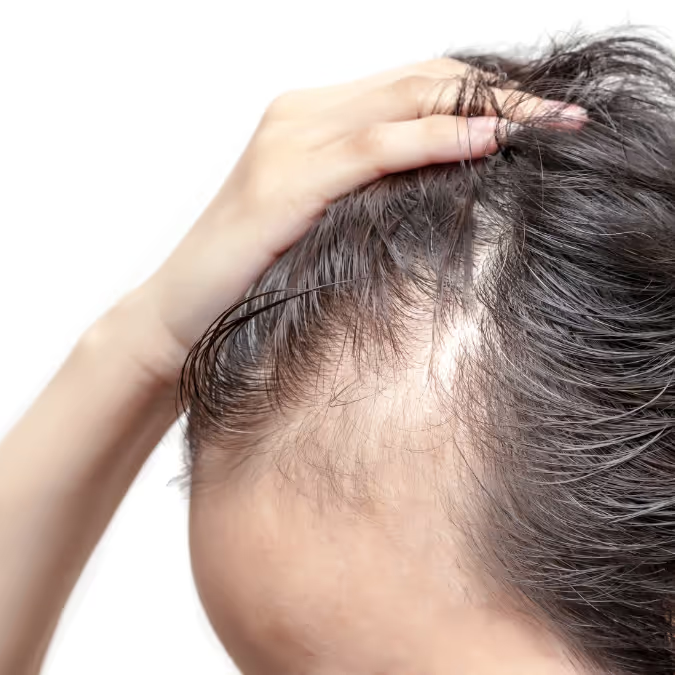
At its core, alopecia is characterised by the loss of hair from the scalp and, in some cases, other parts of the body. This can range from mild thinning to complete baldness, impacting individuals differently. The most common form of alopecia, androgenetic alopecia, also known as male or female pattern baldness, is influenced by hormones and genetic predisposition. This type typically manifests as a receding hairline and thinning at the crown in men, and thinning across the central area of the scalp in women.
Another form of the condition is alopecia areata, an autoimmune disorder where the body's immune system mistakenly attacks healthy hair follicles, leading to patchy hair loss. In more severe cases, this can progress to alopecia totalis or alopecia universalis, resulting in total loss of scalp hair or all body hair, respectively. The onset of alopecia areata is usually quite rapid and can occur at any age, adding to the emotional and psychological impact of the disease.
The exact cause of alopecia is still not fully understood, but it is believed to be primarily influenced by genetic factors that are then triggered by environmental conditions or personal health issues. Stress, for example, has been linked to various forms of hair loss, as it can disrupt the normal cycle of hair growth, leading to shedding and slower hair regrowth. Nutritional deficiencies, particularly in iron, zinc, and certain vitamins, are also known to affect hair health and can lead to thinning or loss.
In addition to these factors, hormonal changes play a critical role in many cases of alopecia. Hormonal fluctuations related to pregnancy, menopause, or thyroid problems can significantly affect the hair growth cycle. Medications for various conditions, including chemotherapy drugs for cancer treatment, are also common culprits of hair loss.





%20(1).avif)