Uneven skin tone, also known as hyperpigmentation, is a common skin condition that affects millions of people worldwide. It manifests as dark spots or patches on the skin, often giving the complexion a mottled or blotchy appearance. This can significantly impact one’s self-esteem and perception of beauty, as a uniform complexion is traditionally associated with health and youth.
The root causes of uneven skin tone are varied but predominantly stem from an overproduction of melanin, the pigment that gives skin its colour. This overproduction can be triggered by several factors, including prolonged exposure to the sun's ultraviolet rays, ageing, hormonal changes, genetic predisposition, and skin injuries or inflammation. Sun exposure is perhaps the most common trigger, as UV rays stimulate melanocytes, the cells responsible for producing melanin. This results in sunspots or age spots, typically found on areas frequently exposed to the sun, such as the face, hands, and arms.
Ageing also plays a significant role in the development of uneven skin tone. As we age, the distribution of melanin in the skin becomes less even, causing age spots and blotchy skin. Hormonal influences are particularly prominent in women, with conditions like melasma being triggered by pregnancy, birth control pills, or hormone therapy. Melasma causes dark, irregular patches to appear on the face, especially on the cheeks, bridge of the nose, forehead, and upper lip.
Inflammatory processes within the skin can lead to post-inflammatory hyperpigmentation (PIH). This type of discolouration occurs after an inflammatory skin condition, such as acne, eczema, or psoriasis, has healed. The skin may respond to this inflammation by overproducing melanin, leaving dark spots that can persist long after the initial skin condition has resolved.
The treatments for uneven skin tone at our clinic include a variety of options tailored to the specific needs and skin types of our patients. Topical treatments are commonly prescribed and can include ingredients like hydroquinone, which lightens the skin by inhibiting the production of melanin. Retinoids, which are derivatives of vitamin A, are used to promote cell turnover, fading dark spots gradually. Other agents, such as kojic acid, azelaic acid, and vitamin C, are also used for their brightening properties and ability to improve skin texture and tone.
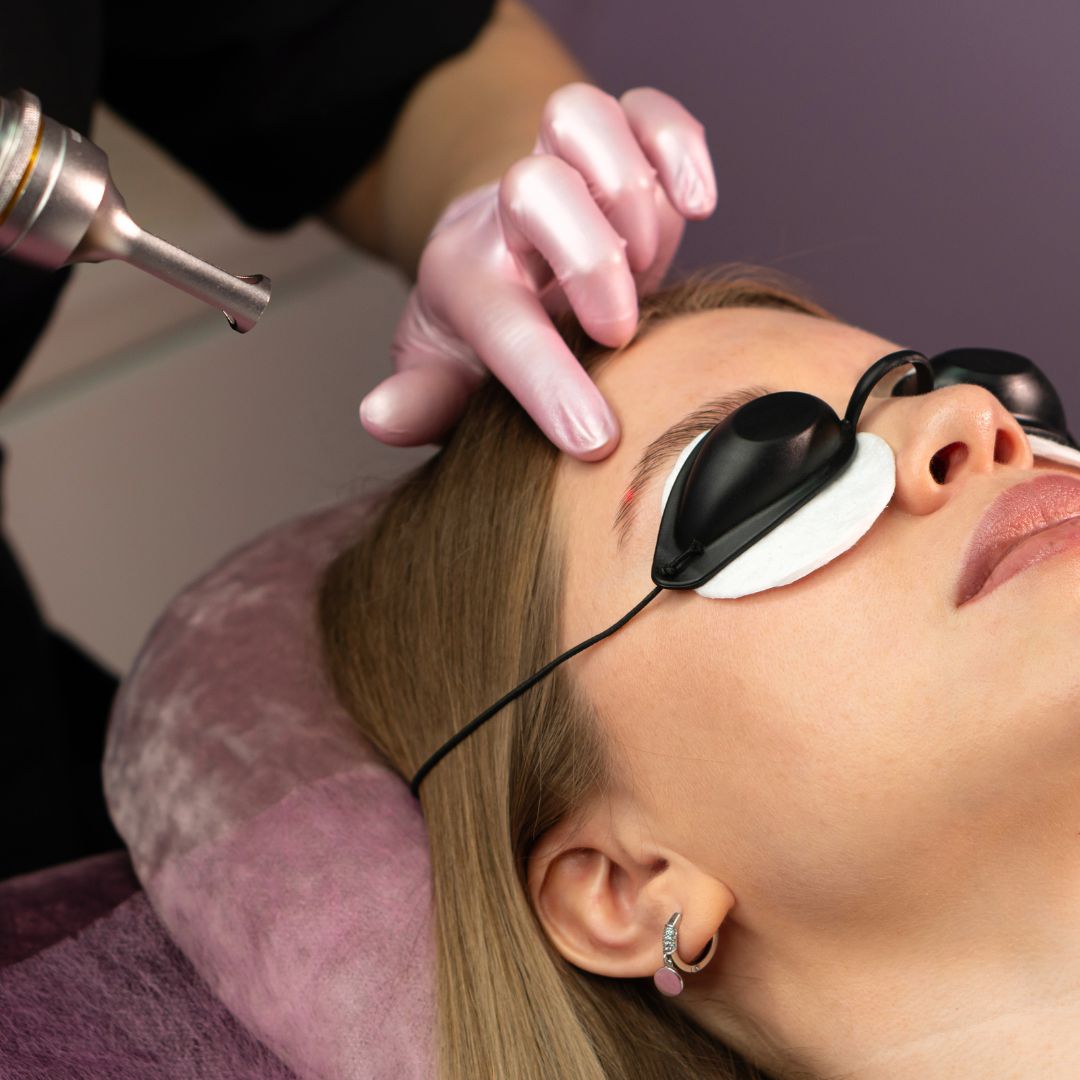
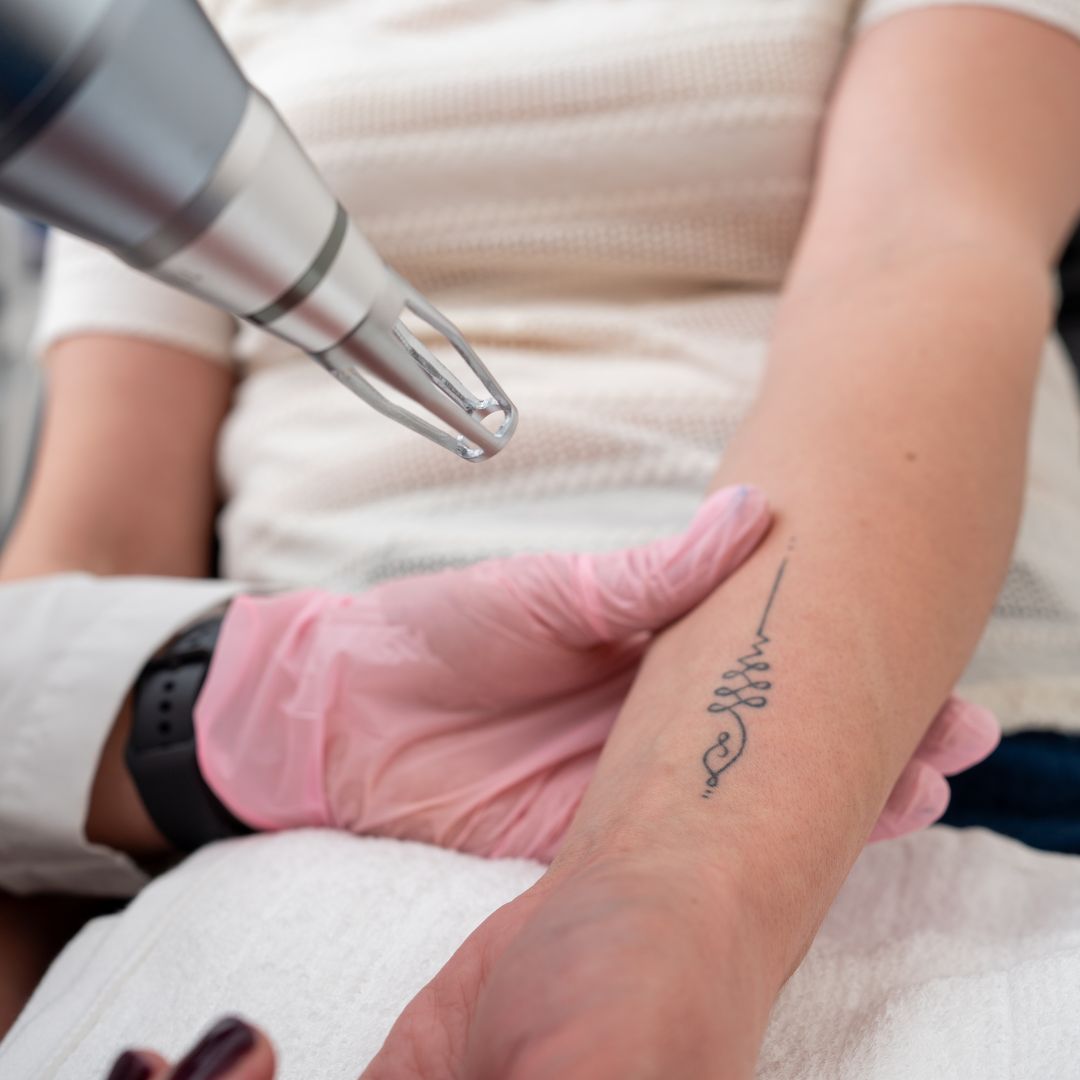
For those seeking more immediate or dramatic results, Bavary Clinic offers professional treatments such as chemical peels, which remove the outermost layers of skin, encouraging regeneration and a more even complexion. Laser therapy is another effective option, targeting melanin deposits specifically without damaging surrounding tissues. These laser treatments can significantly reduce the appearance of hyperpigmentation and restore a more uniform skin tone.




%20(1).avif)