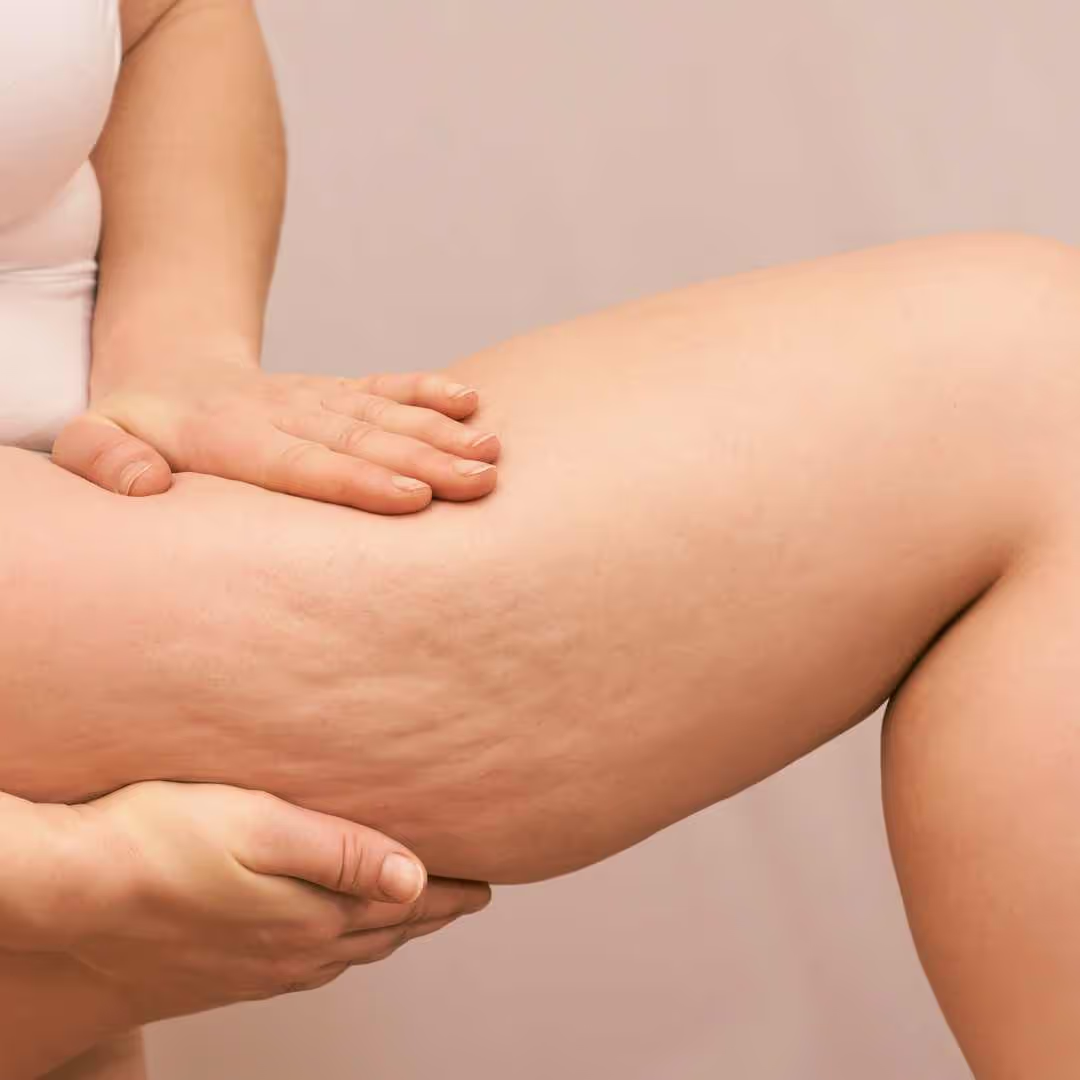
Cellulite is a widespread aesthetic concern that affects the appearance of the skin, mostly in women. Characterised by a dimpled or puckered texture, it commonly appears on the thighs, buttocks, and abdomen. This condition, although entirely harmless from a medical standpoint, can be a source of cosmetic discomfort for many. Cellulite involves fibrous connective cords that tether the skin to the underlying muscle, with fat lying between. As fat cells accumulate, they push up against the skin, while the long, tough cords pull down. This creates an uneven surface or dimpling often referred to as the ‘orange peel’ effect.
The development of cellulite is influenced by several factors, including genetics, skin structure, body fat percentage, and age. The hormone oestrogen plays a significant role in its formation, which explains why cellulite is more prevalent in women than men. As oestrogen levels decline with age, particularly around menopause, skin loses elasticity and fat cells become more pronounced. The skin also thins and loses its ability to conceal imperfections, making cellulite more visible.
Lifestyle factors also contribute to the presence and severity of cellulite. Poor diet, lack of adequate hydration, minimal physical activity, and smoking can all exacerbate the appearance of cellulite. A diet high in fat, carbohydrates, and salt, which leads to fat accumulation and fluid retention, can worsen the skin’s appearance. Conversely, a balanced diet rich in fibre, fruits, and vegetables can help to reduce its formation by decreasing fat levels and improving skin elasticity and circulation.
The texture of cellulite can vary; some may experience a mild case where the dimpling is only visible when the skin is pinched, while others may see more severe and obvious dimpling. The severity is often classified into grades, ranging from one to three, with three being the most severe with visible roughness on the skin regardless of posture or position.
Despite being a common issue, cellulite can cause significant distress, impacting self-esteem and confidence. This is particularly pronounced in today's culture, which often idolises slim, smooth-skinned body ideals. In response to this, the aesthetic industry has developed various treatments aimed at reducing the appearance of cellulite, each varying in approach, efficacy, and scientific backing.
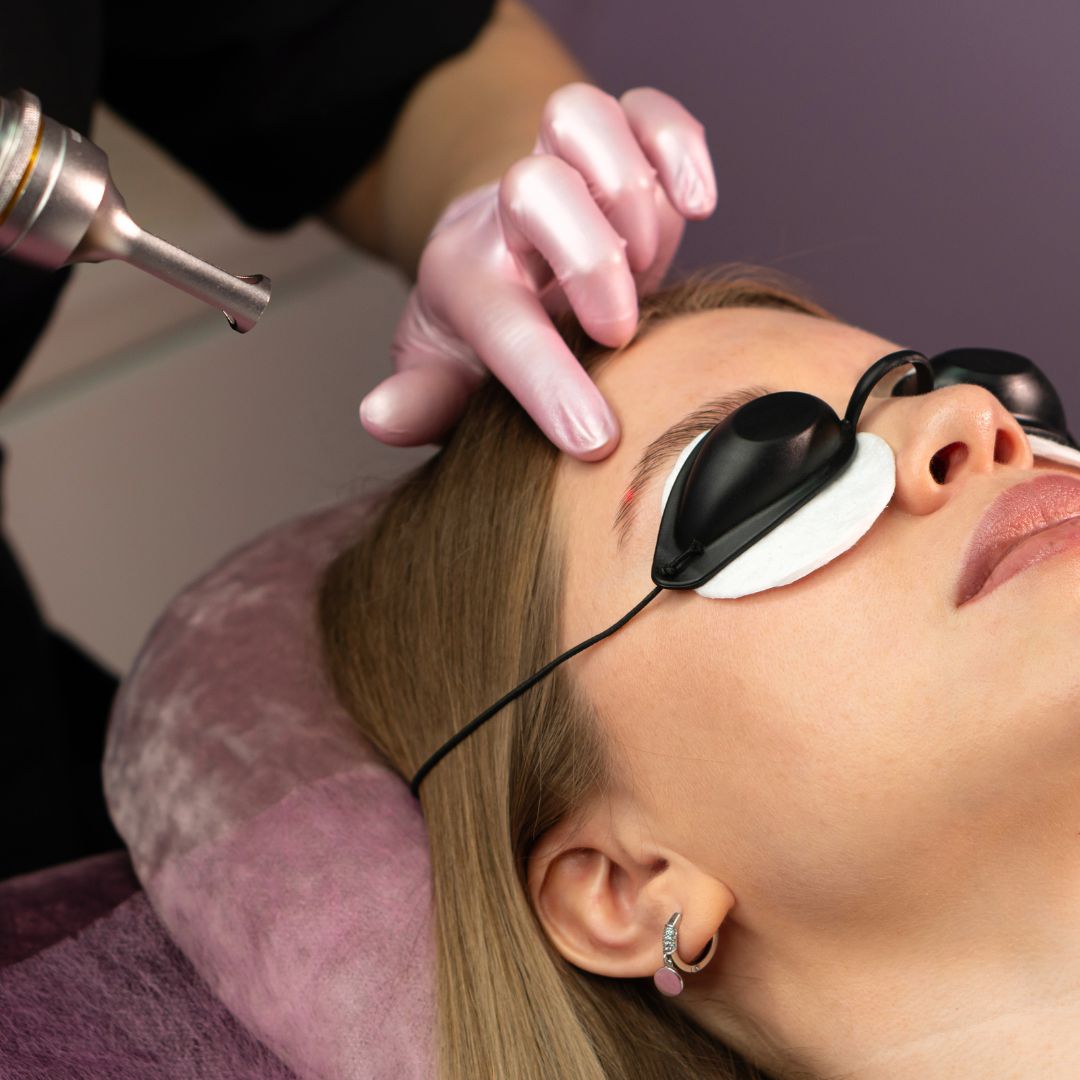
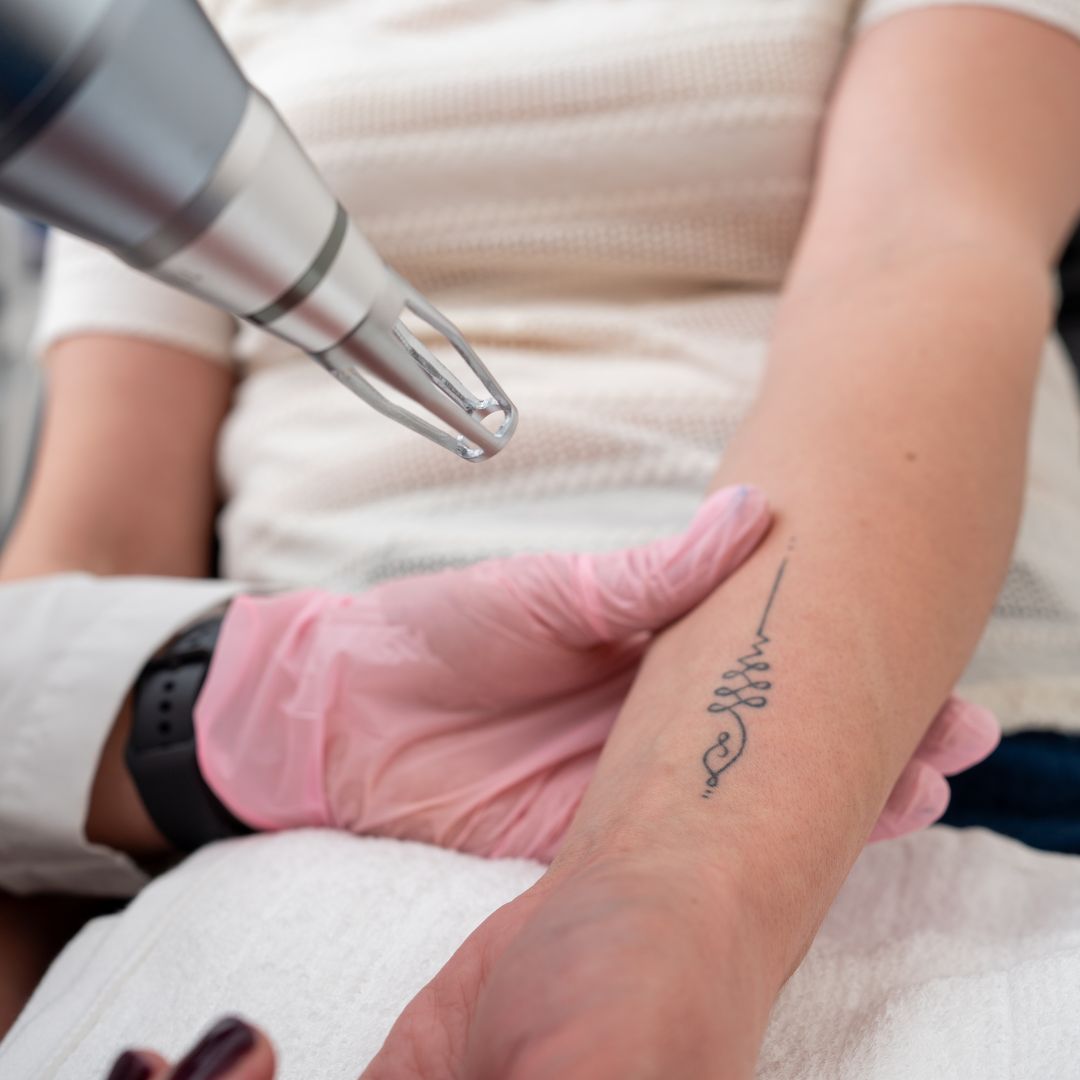
One popular non-invasive option is laser therapy, which targets fat cells and stimulates collagen production, improving skin elasticity and reducing dimpling. Another method is radiofrequency, which heats the dermis and promotes fat metabolism and skin remodelling. These treatments can be effective but typically require multiple sessions and maintenance treatments.
Mechanical treatments, such as massage and suction techniques, aim to redistribute fat cells and improve lymphatic drainage and blood flow, which can temporarily reduce the appearance of cellulite. Topical treatments, including creams and lotions containing ingredients like caffeine or retinol, claim to help by tightening the skin and promoting fat breakdown. However, these solutions are often temporary and vary significantly in results.
For those seeking more dramatic and long-lasting solutions, certain medical procedures can be considered. These include injectables that break down the fibrous bands creating the puckered appearance, or subcision, where a needle is used to physically break down these bands. Another innovative approach is the use of energy-based systems that combine suction, laser, or radiofrequency energy to treat larger areas of cellulite more effectively.





%20(1).avif)