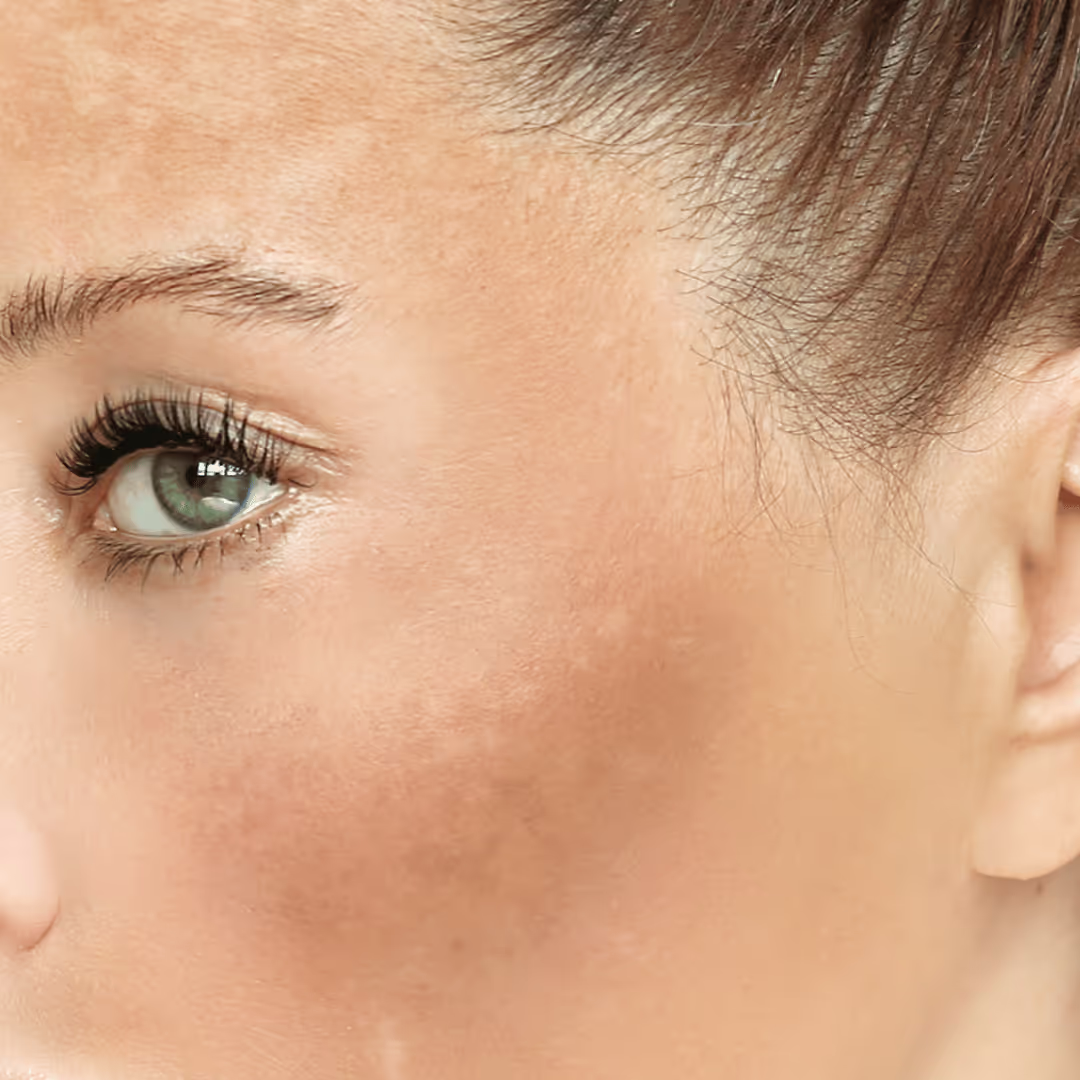
Hyperpigmentation, a prevalent skin concern, manifests as areas of skin becoming notably darker than the surrounding regions. This darkening occurs due to an overproduction of melanin, the pigment responsible for skin and hair colour. While hyperpigmentation is usually harmless, it can be a cosmetic concern for those who develop it.
The causes of hyperpigmentation are varied but often include factors such as excessive sun exposure, certain medications, hormonal changes, skin injuries, and inflammation. Sun exposure can lead to what is commonly known as sunspots, age spots, or liver spots, primarily found on areas frequently exposed to the sun, such as the face, hands, and arms. Similarly, hormonal influences, such as those occurring during pregnancy, can lead to melasma, a type of hyperpigmentation where large patches of skin become discoloured. Melasma is particularly common among women, especially during pregnancy when the body undergoes significant hormonal shifts.
Medications can also play a role. Certain medications, including chemotherapy drugs and some antibiotics, can increase skin's sensitivity to sunlight, resulting in pigmentation changes. Furthermore, post-inflammatory hyperpigmentation is a response to injury or inflammation of the skin. Conditions such as acne, eczema, or lupus can leave darkened skin patches after the initial redness and swelling have subsided.
Treatment for hyperpigmentation varies depending on the cause and severity of the condition. One of the primary recommendations is the use of sunscreen with a high SPF to protect the skin from further sun damage. For cosmetic treatment, options include topical treatments that contain ingredients designed to lighten the skin, such as hydroquinone, retinoids, and vitamin C. These agents work by reducing melanin production and are commonly prescribed to treat various forms of hyperpigmentation.
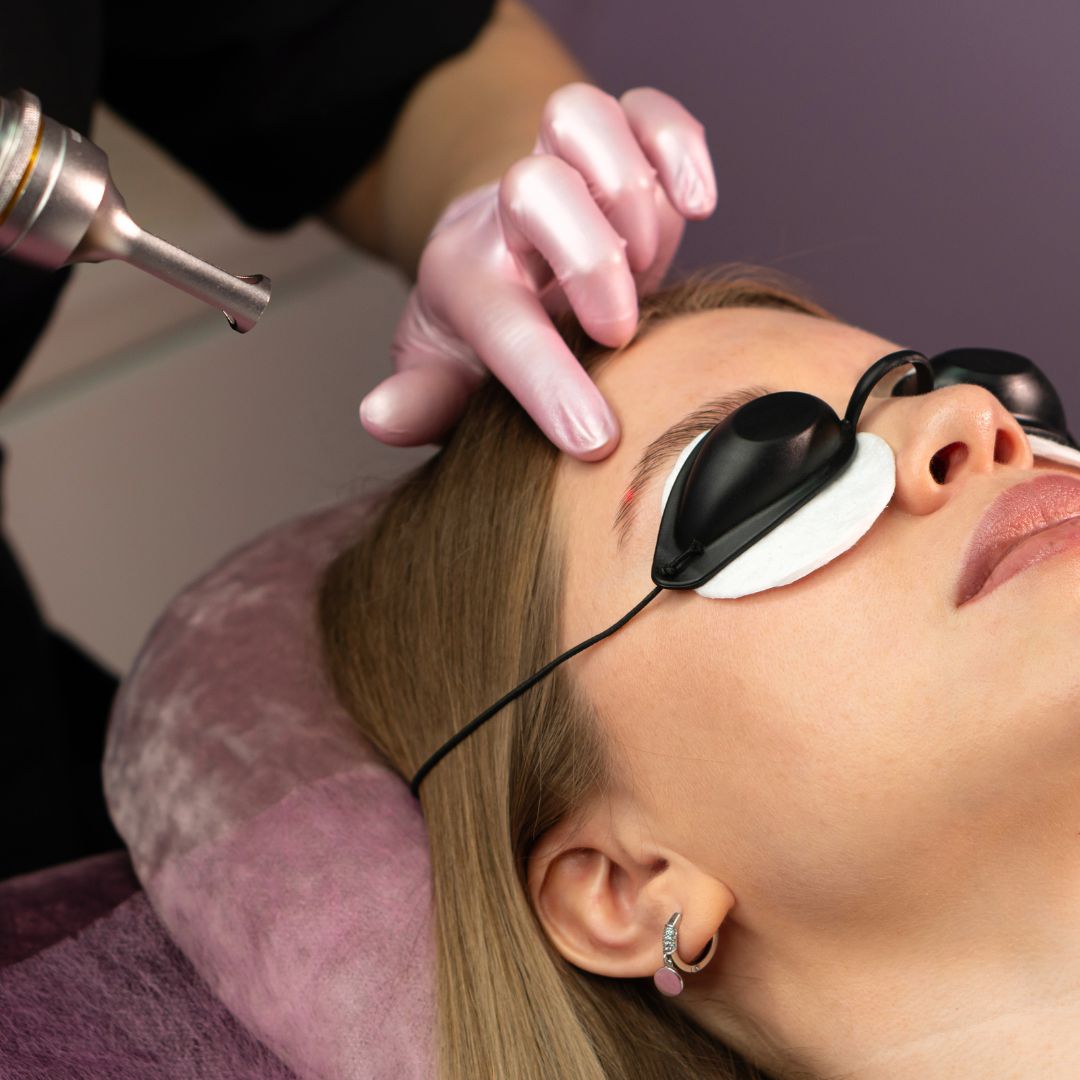
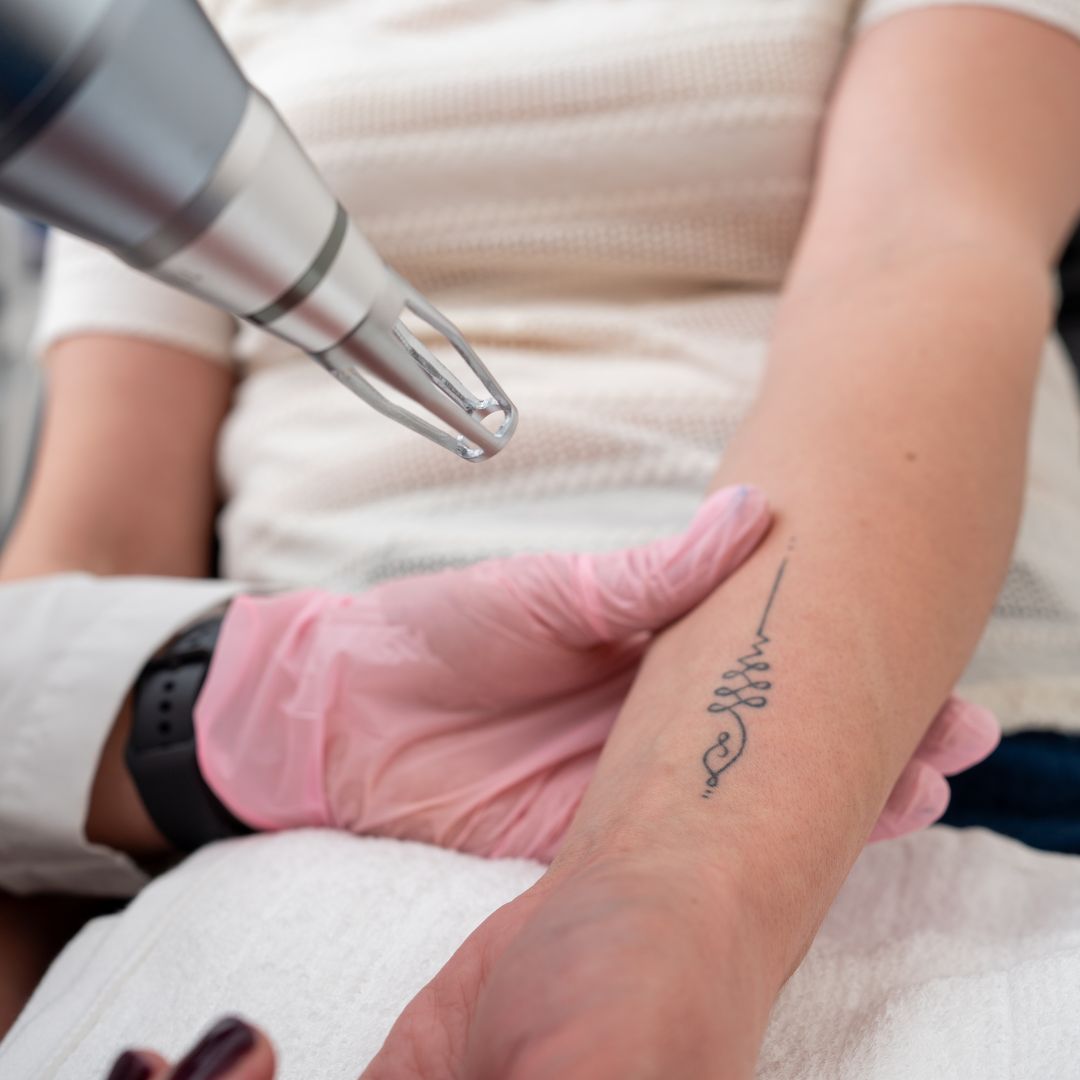
Chemical peels are another option. By applying a solution to the skin that causes it to exfoliate and eventually peel off, the new skin underneath is often smoother, appears less wrinkled, and may have less pigmentation. Laser therapy, another advanced option, targets the pigmented areas with focused light energy, destroying the excess melanin and often proving effective in reducing the visibility of hyperpigmentation.





%20(1).avif)