Volume loss in the face is a natural part of the ageing process that affects the appearance and aesthetic harmony of our facial features. Over time, the youthful contours of the face may diminish, and the skin may begin to sag, primarily due to the decrease in subcutaneous fat and other key structural components such as collagen and elastin. This loss is not merely a superficial change but rather a deep structural alteration that can significantly impact an individual's self-perception and confidence.
The areas most commonly affected by facial volume loss are the cheeks, the temples, under the eyes, and around the mouth. In the cheeks, the loss of volume can lead to a flattening or sagging appearance, which was once lifted and rounded in youth. The temples may also become hollow, giving the face a more skeletal appearance. Under the eyes, this loss manifests as tear troughs or dark circles, which can make an individual appear tired or unwell regardless of their true health or energy levels. Around the mouth, volume loss leads to accentuated smile lines and marionette lines, which can convey a permanent expression of sadness or fatigue.
One of the primary causes of facial volume loss is the natural ageing process. As we age, our bodies produce less collagen and elastin, which are crucial for maintaining skin elasticity and firmness. Additionally, the fat pads that underlie the skin and give the face its plump, youthful appearance begin to deteriorate and descend due to gravity's relentless pull. These changes are compounded by lifestyle factors such as sun exposure, smoking, and poor diet, which can accelerate the degradation of skin-supporting proteins and diminish skin quality.
Genetics also play a significant role in determining how and when our faces will lose volume. Some people might experience these changes earlier or more dramatically due to hereditary traits passed down through generations. It's important to acknowledge that while we can influence some factors, such as lifestyle choices, others, like genetics, are beyond our control.
The treatment options available for managing facial volume loss include dermal fillers, fat grafting, and advanced collagen-stimulating treatments. Dermal fillers are among the most popular choices due to their immediacy in restoring volume and their relatively minimal downtime. These injectables are gel-like substances, such as hyaluronic acid, which not only fill in wrinkles and hollow areas but also attract moisture to the treated region, enhancing skin texture and firmness.
Fat grafting, another effective treatment, involves harvesting fat from one part of the body and injecting it into the face. This not only adds volume but also ensures that the enhancements look and feel natural. Furthermore, because the fat is autologous (sourced from the patient’s own body), the risk of allergic reactions or rejection is significantly reduced.
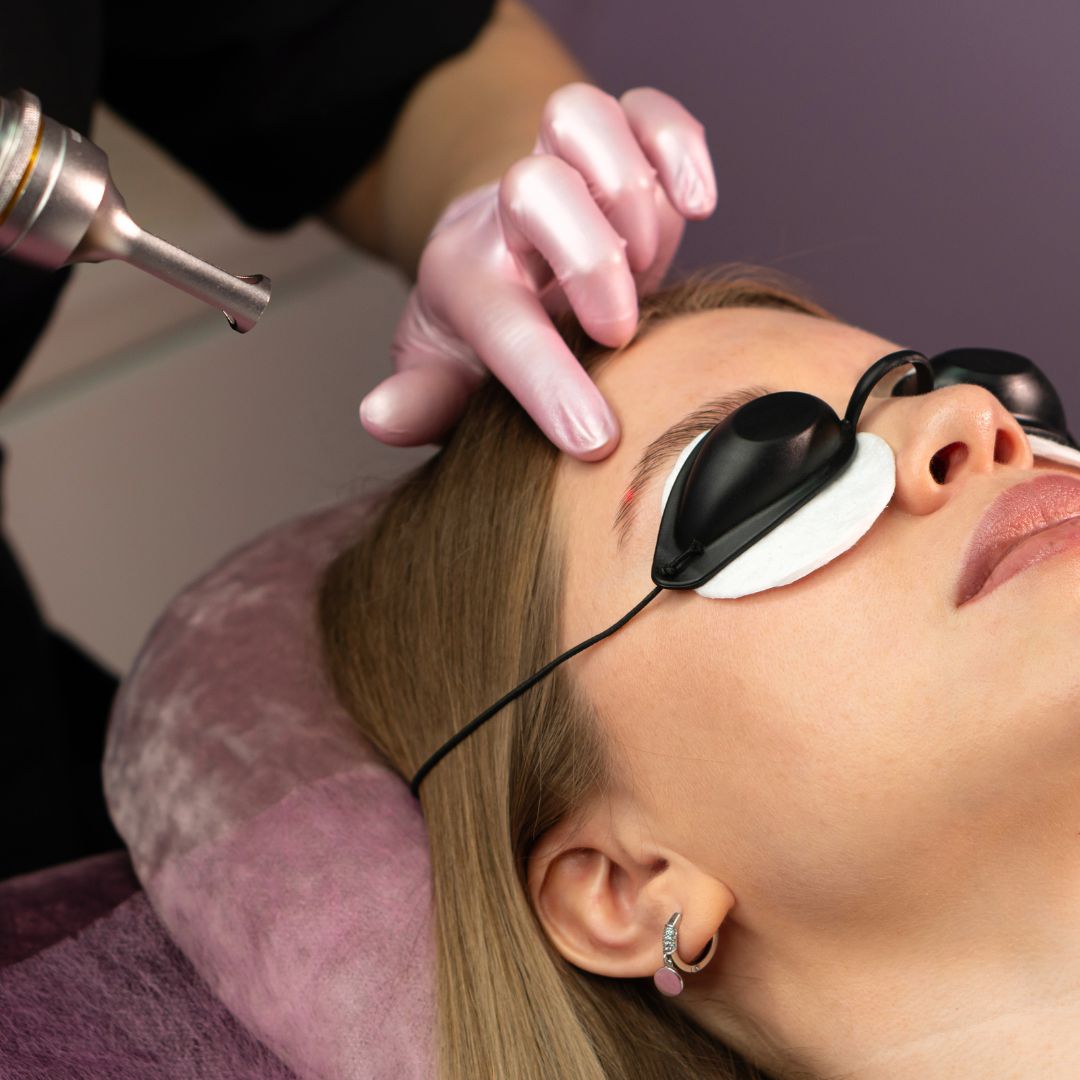
For those interested in a more gradual improvement, treatments that stimulate the body’s collagen production can be ideal. These procedures, which often involve the use of lasers or microneedling, improve skin quality and firmness over time, providing a more sustained improvement in facial volume and skin health.







%20(1).avif)