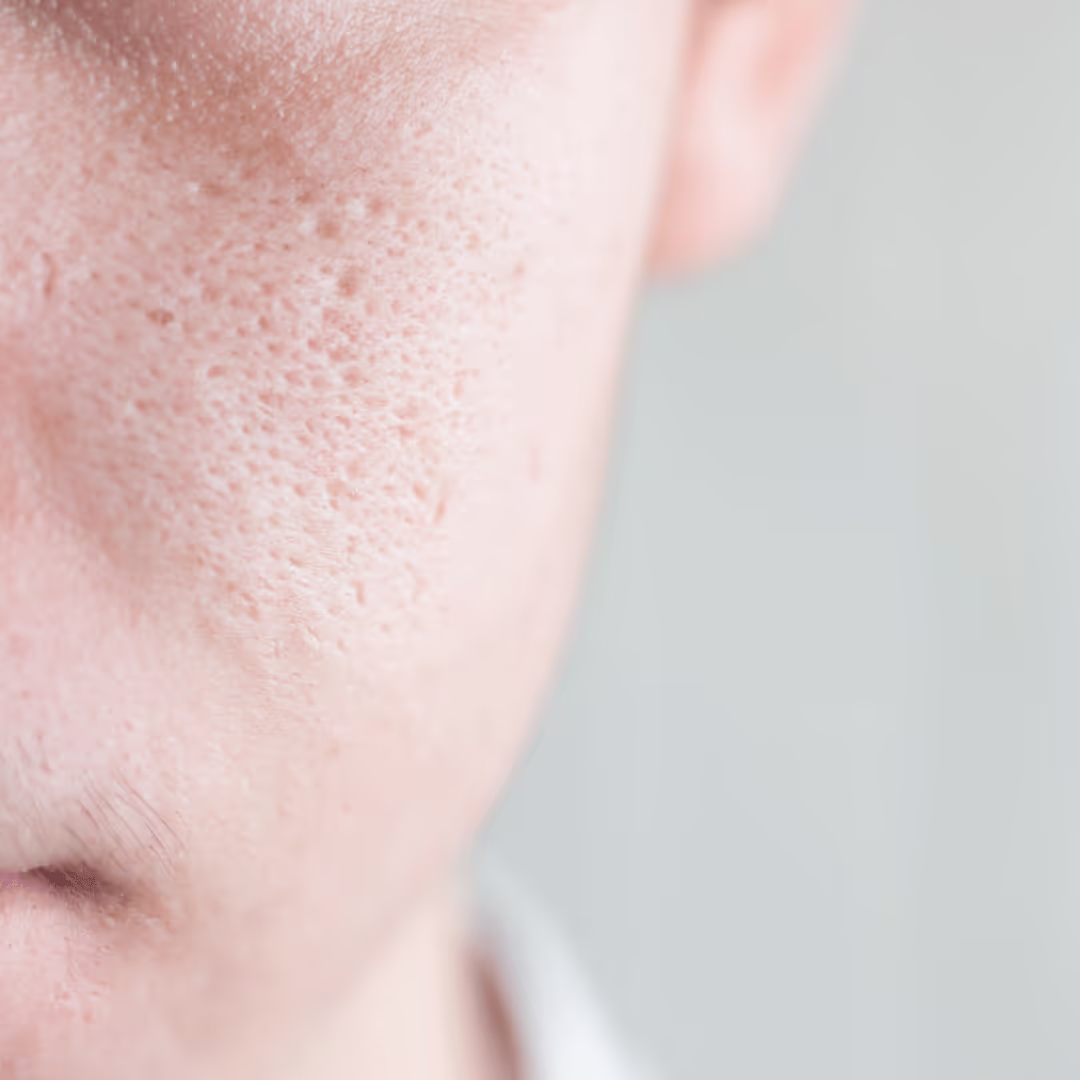
Enlarged pores are a common concern, particularly as we age or due to factors like oily skin and genetics. These visible pores can give the skin a less smooth appearance, often leading to increased buildup of oils and impurities, which can exacerbate their appearance.
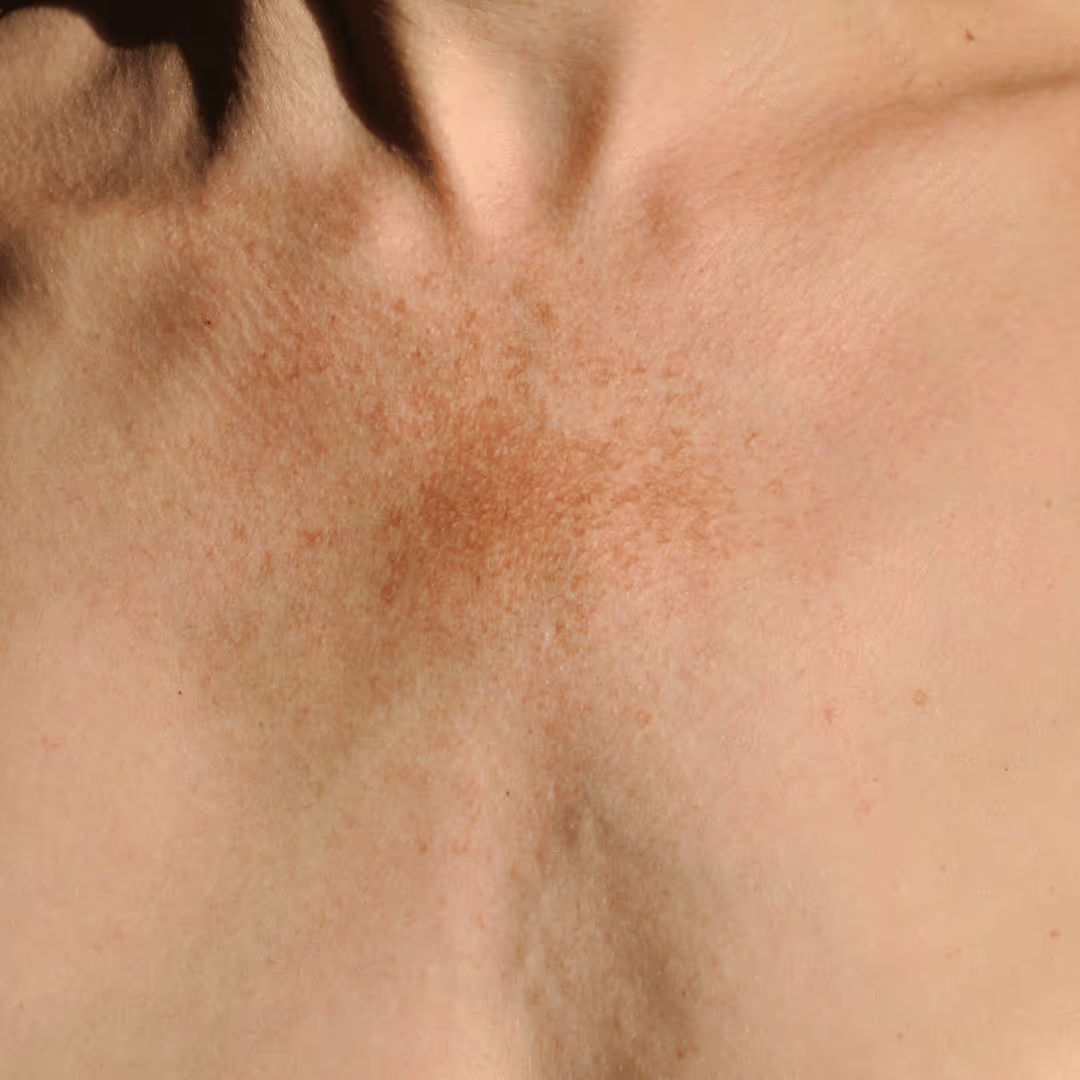
Sun damage, clinically known as photoaging, manifests through premature ageing of the skin caused by repeated exposure to ultraviolet (UV) rays. This results in fine lines, wrinkles, freckles, hyperpigmentation, and a rough, leathery texture, significantly altering the skin's appearance and health.
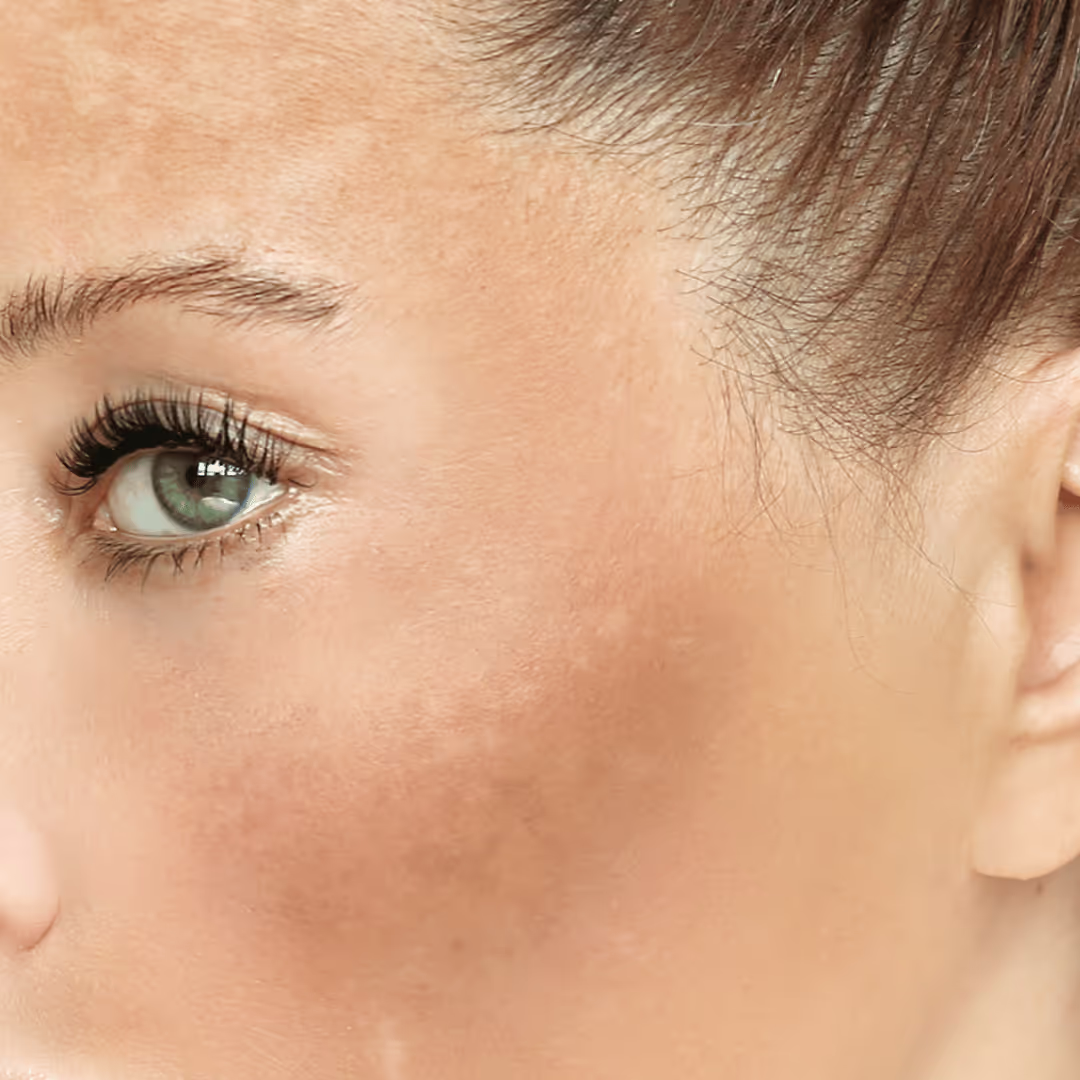
Hyperpigmentation is a common skin condition where patches of skin become darker in colour than the normal surrounding skin. This is due to an excess production of melanin. Factors such as sun exposure, hormonal influences, age, and skin injuries or inflammation can contribute to its development.

Uneven skin tone, or hyperpigmentation, occurs when excess melanin forms dark spots or patches on the skin. This common concern can result from sun exposure, hormonal influences, or ageing, leading to a mottled, less radiant complexion.
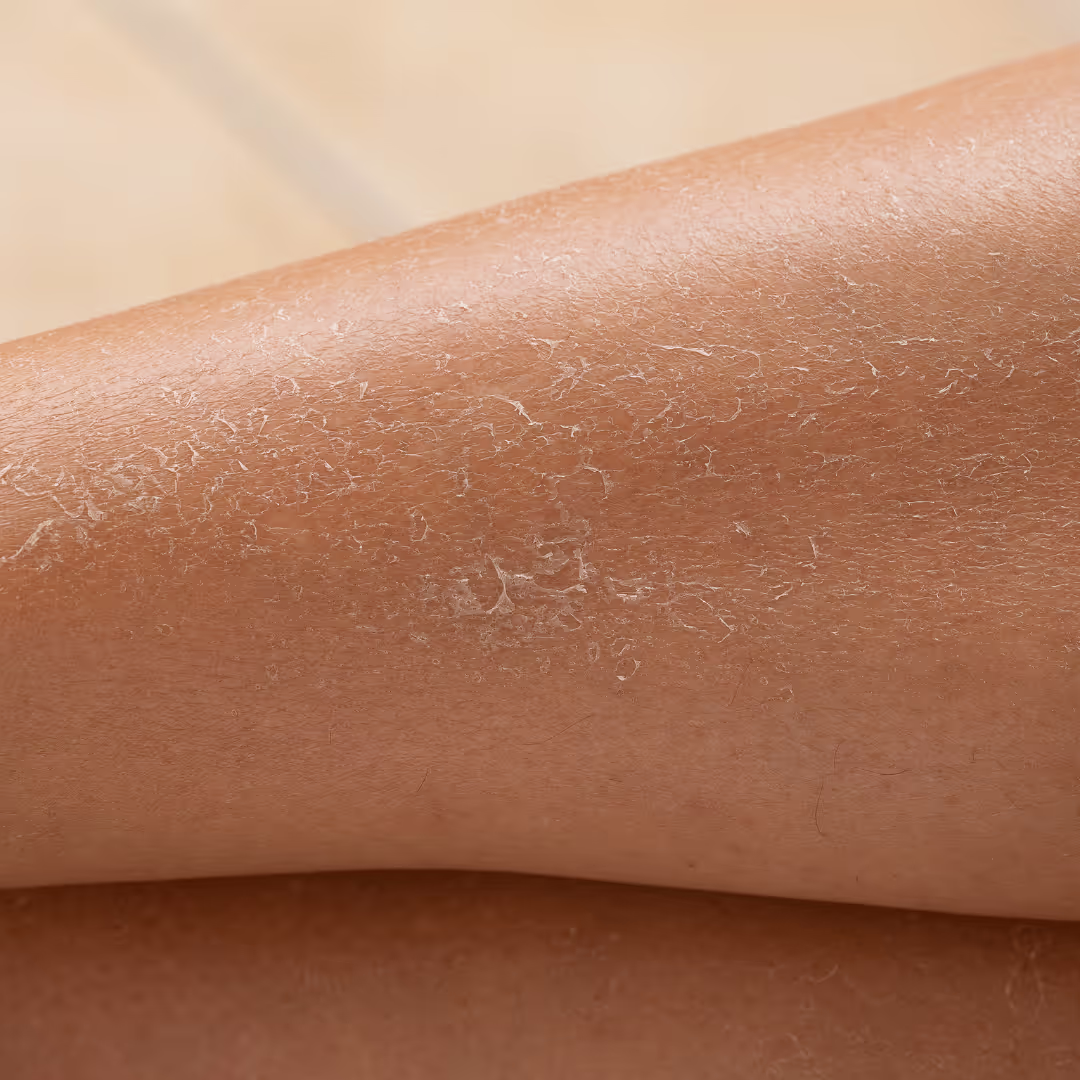
Dry skin, or xerosis, is a common condition characterised by a lack of moisture in the epidermis, leading to tightness, flaking, and often discomfort. It can result from environmental factors, ageing, or underlying health issues, making effective treatment essential for maintaining skin health and comfort.
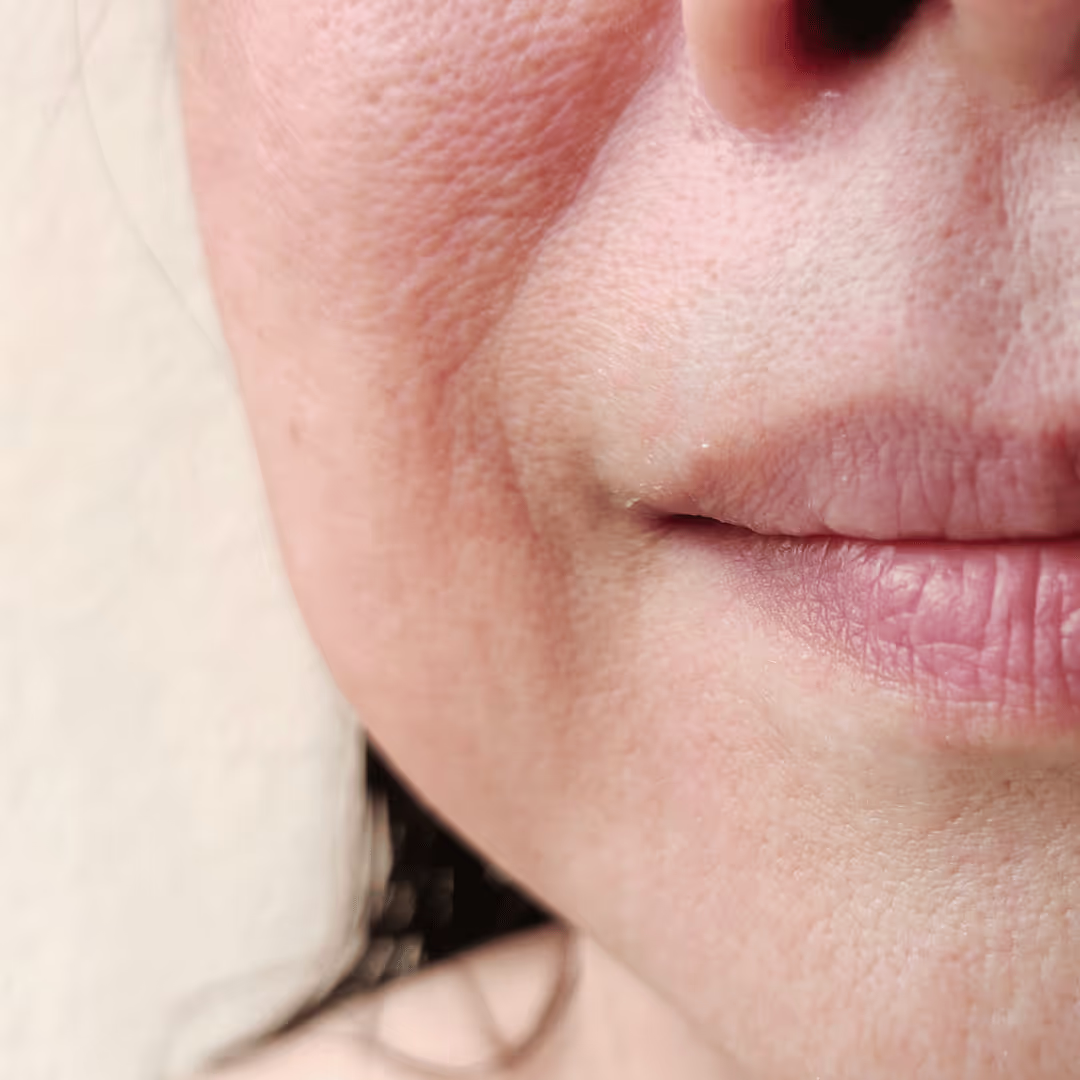
Dull skin typically appears as a lacklustre and uneven complexion, often resulting from slowed cellular turnover, environmental pollutants, and lifestyle factors such as stress and poor diet. This condition can make the skin look tired and prematurely aged.
.avif)
Acne scarring often leaves visible marks and uneven skin texture, impacting both skin health and confidence. These scars result from past acne outbreaks and can vary from shallow depressions to deep, pitted skin surfaces.